3, 4 and 5-Axis Milling
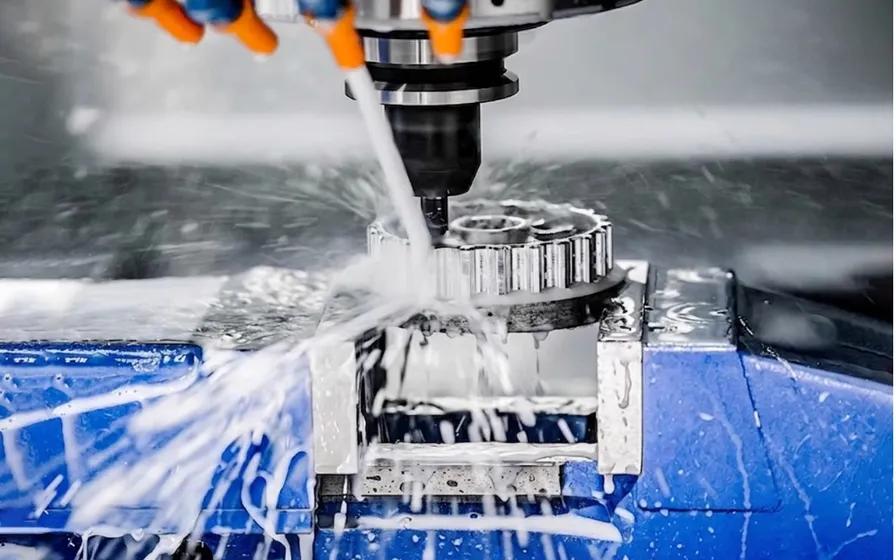
Complex contours, cavities, and tight-tolerance features can be reviewed based on material, geometry, feature size, and machining requirements.
We provide engineering-focused coordination and project support for precision CNC machining. Our team provides engineering-focused manufacturing support for custom metal component projects, helping clarify drawings, material choices, process requirements, and production-side coordination from early discussion to manufacturing execution.
Our engineering team supports custom CNC machining projects ranging from prototype components to ongoing production requirements.
Complex contours, cavities, and tight-tolerance features can be reviewed based on material, geometry, feature size, and machining requirements.
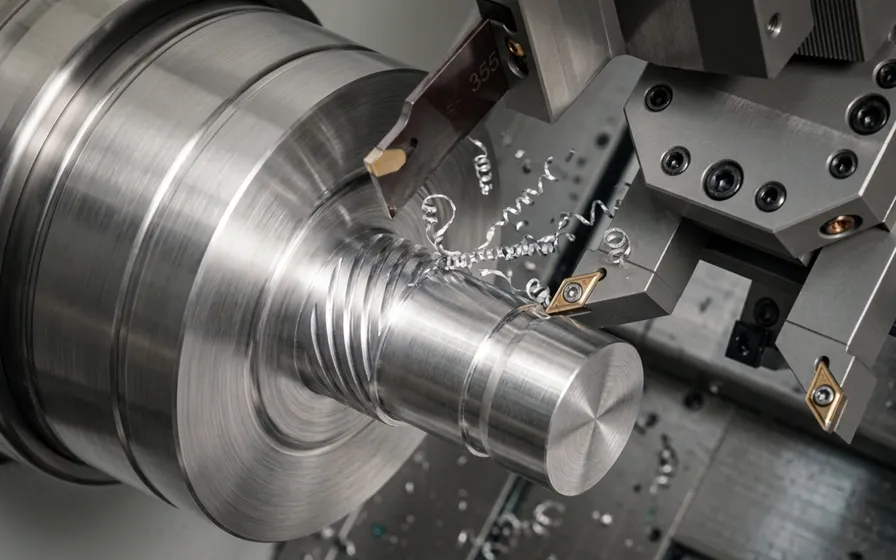
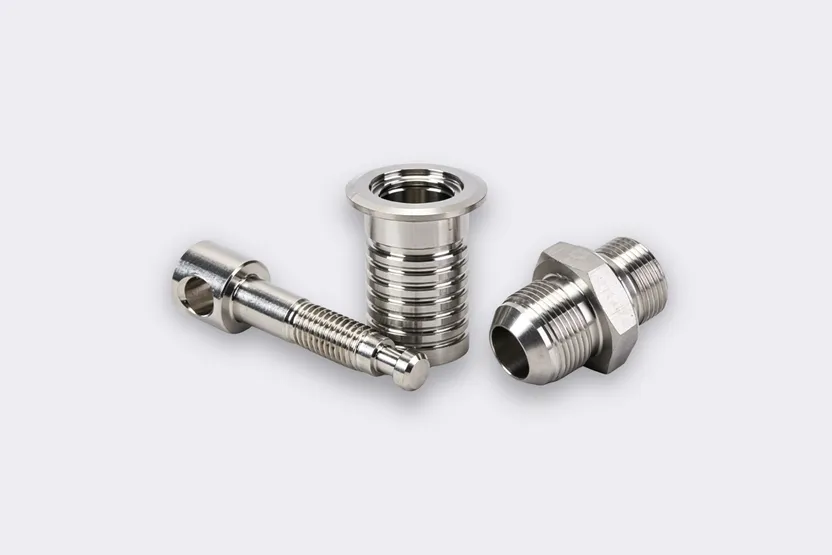
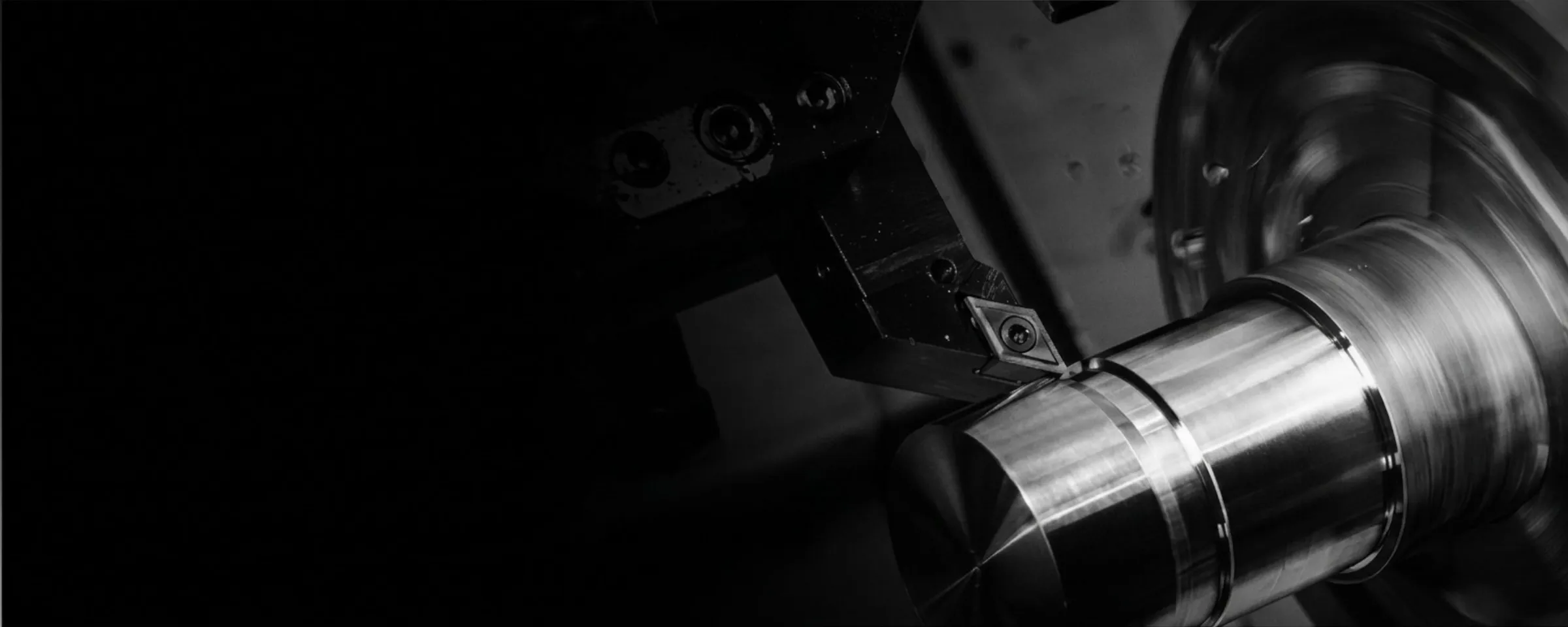
CNC turning support for shafts, bushings, fasteners, and rotary components based on drawing and tolerance requirements.
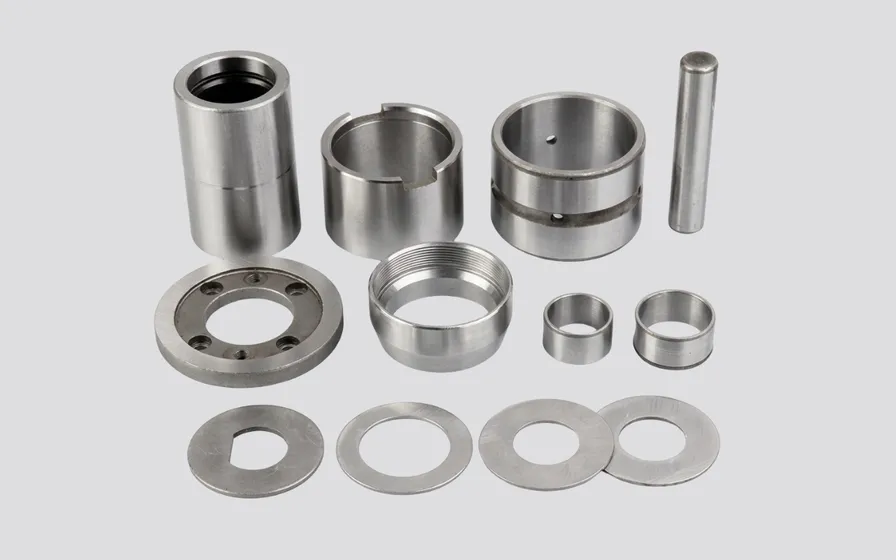
Prototype and production requirements can be reviewed based on part complexity, quantity, and project needs.
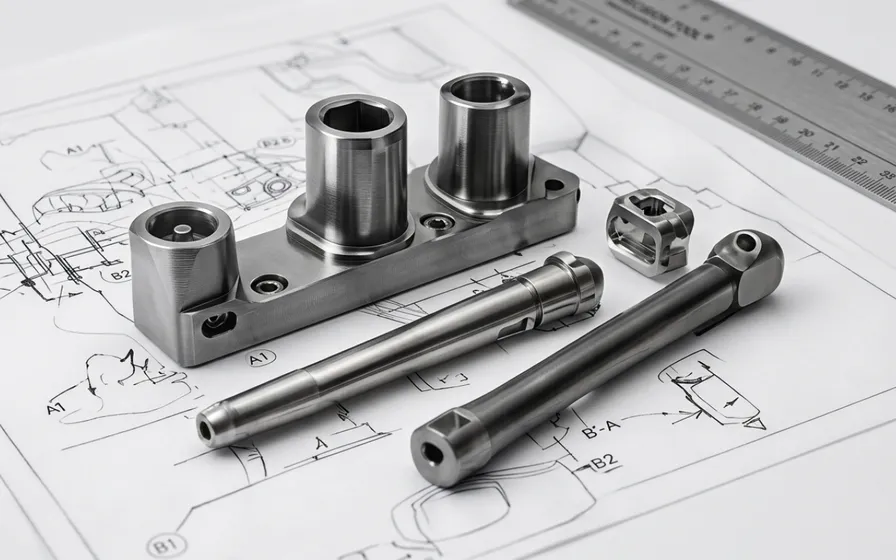
Design for Manufacturability review, material guidance, and project coordination.
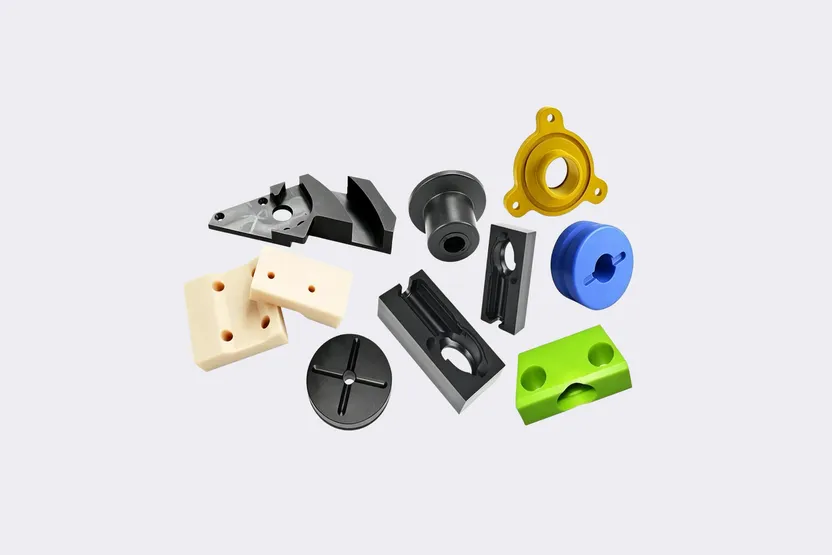
We provide guidance on a wide selection of metals and engineering plastics. For detailed specifications, refer to individual material pages.
Precision-machined components often require finishing to improve appearance, corrosion resistance, wear performance, or functional requirements.
| Surface Finish | Typical Purpose |
|---|---|
| Anodizing | Corrosion resistance and appearance enhancement for aluminum components |
| Electroless Nickel Plating | Improved wear resistance and dimensional consistency |
| Black Oxide | Light corrosion protection for steel components |
| Passivation | Enhanced corrosion resistance for stainless steel |
| Powder Coating | Durable decorative and protective coating |
| Bead Blasting | Uniform matte surface appearance |
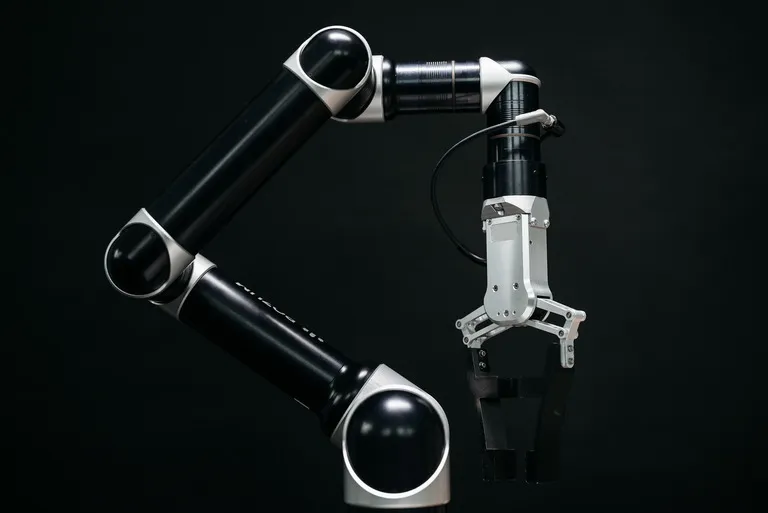
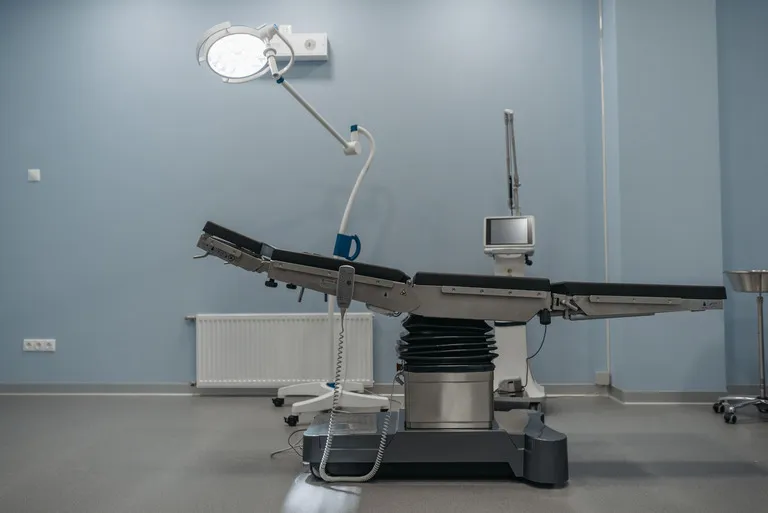
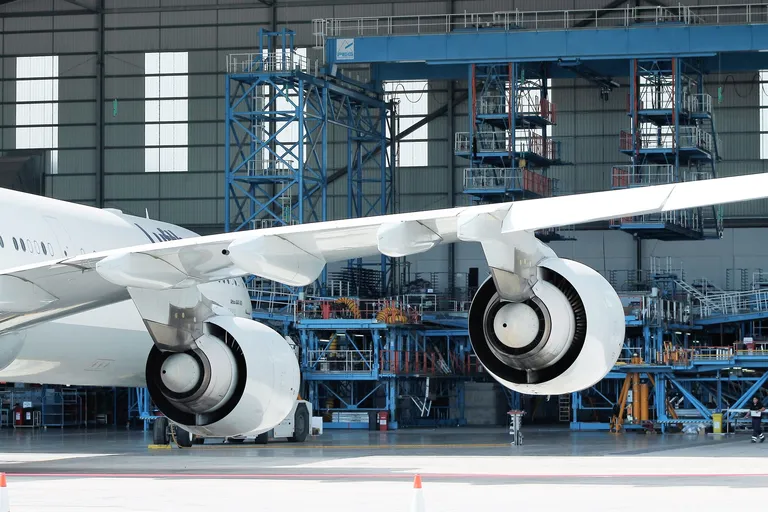
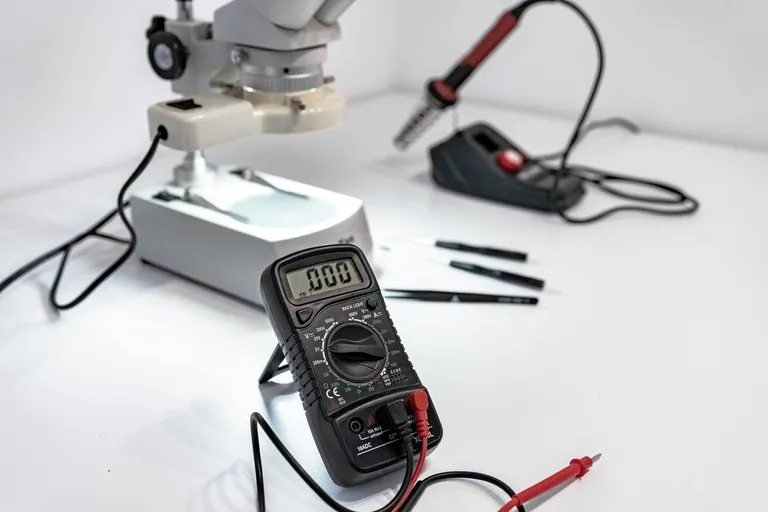
Precision CNC machined components are commonly used across a wide range of industrial and technical applications, including:
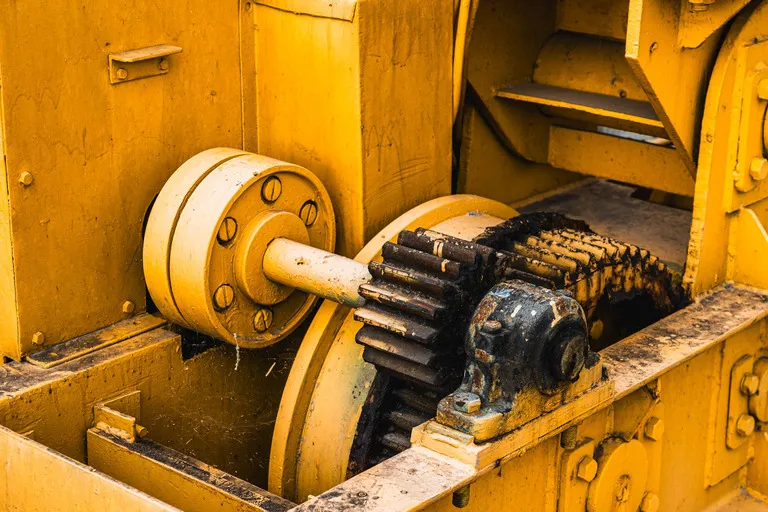


Our team acts as your engineering partner, providing:
Fast, clear communication and project guidance
DFM input to identify manufacturability issues and cost-related design factors.
Prototype and production requirements reviewed based on part complexity, quantity, and project needs
Quality-focused approach with inspection requirements and documentation review
Tolerance capability depends on material, geometry, feature size, and manufacturing process.
Critical dimensions should be clearly identified during quotation review.
These examples show common part geometries, materials, and engineering considerations across industrial applications.
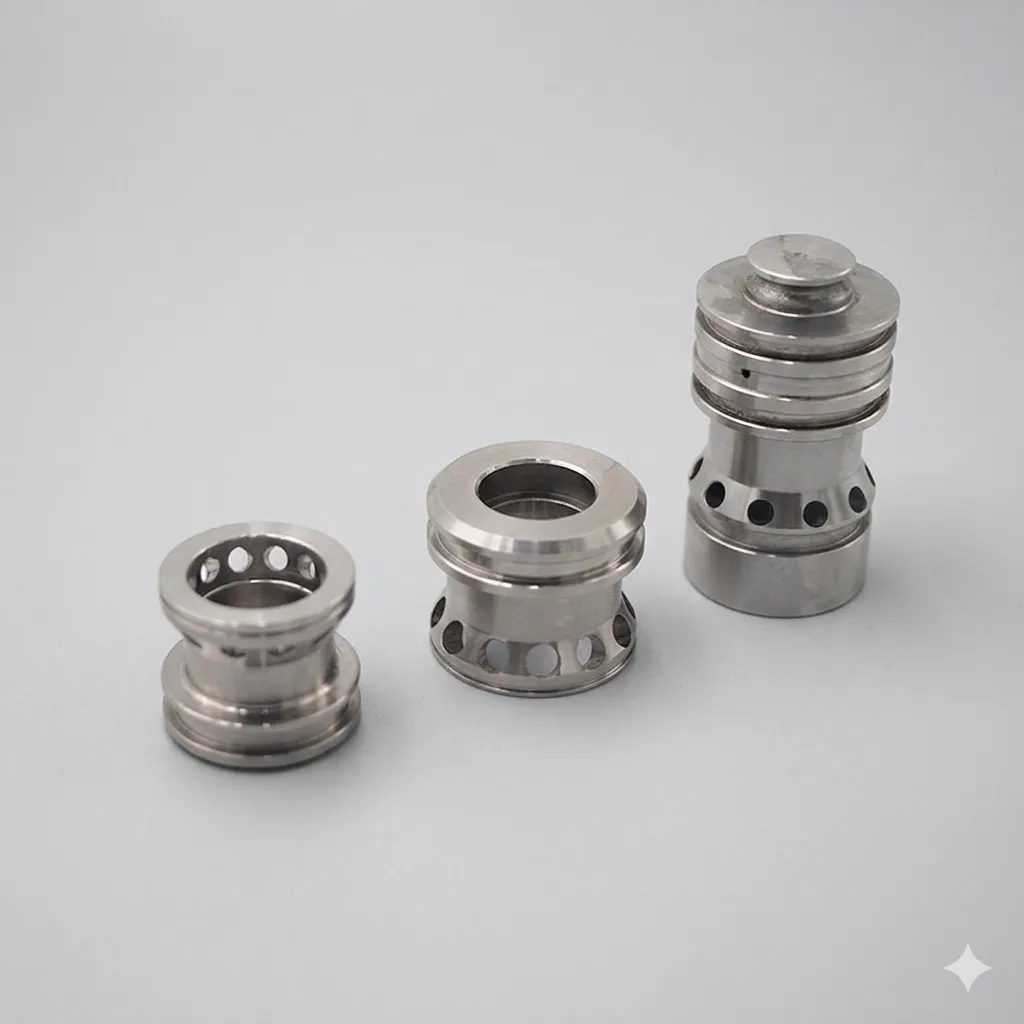
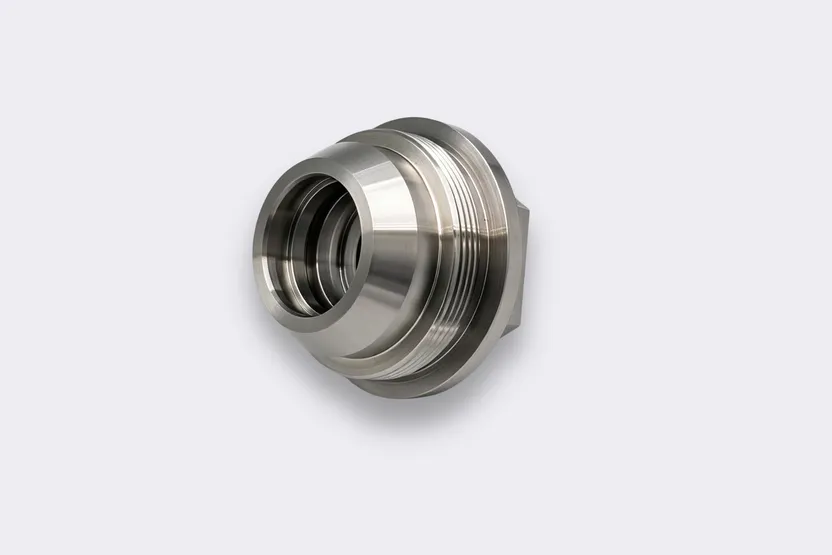
CNC turned stainless steel valve components with controlled features for assembly use in hydraulic and automation equipment.
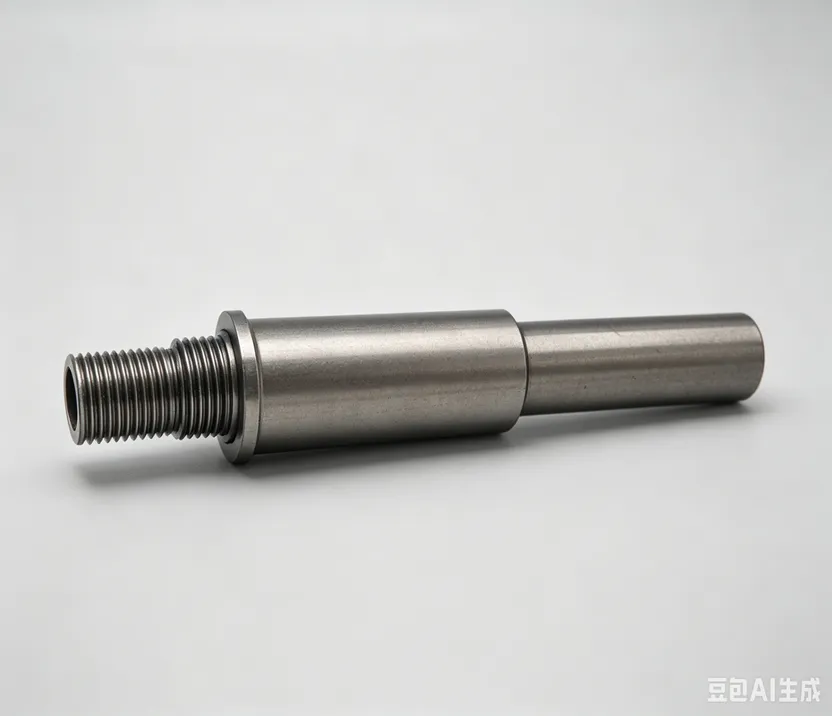
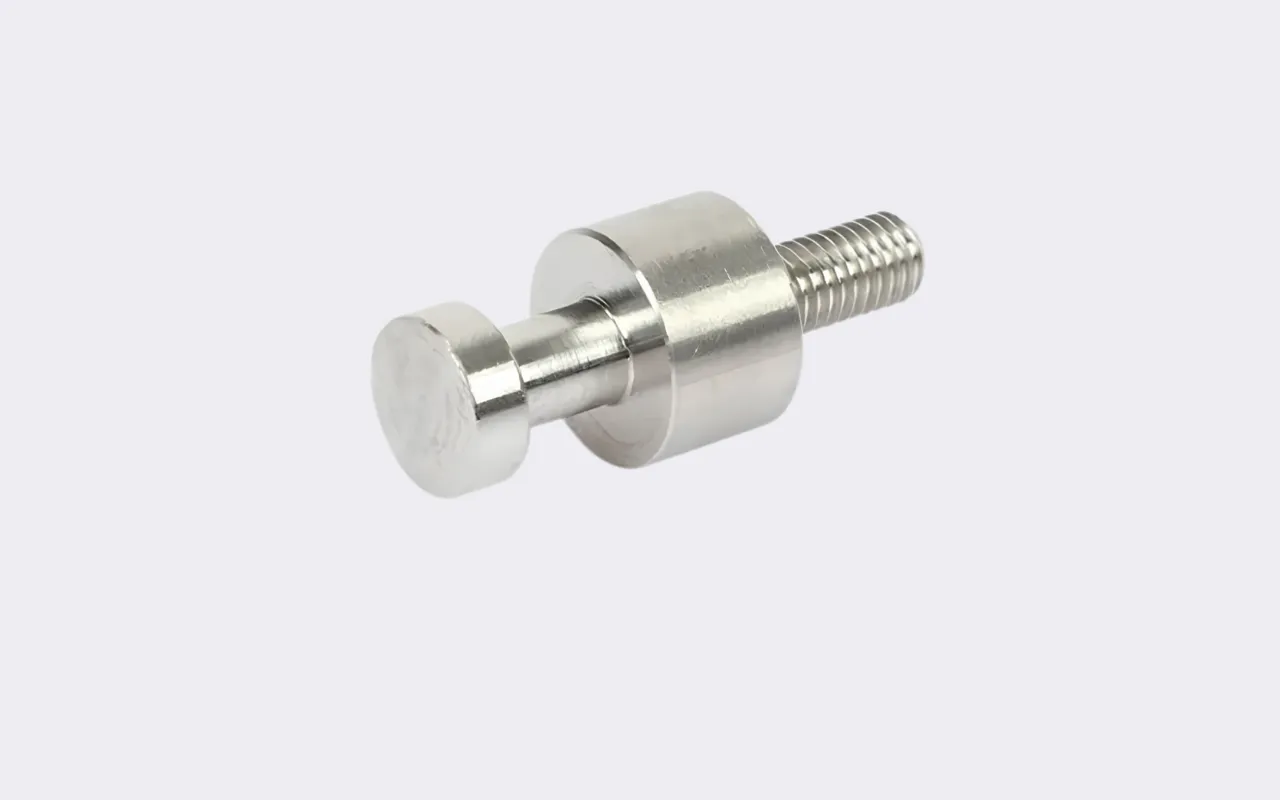
Custom CNC machined shaft with electroless nickel plating, threaded features, and stepped sections for connection and motion-control applications in automation and industrial equipment.
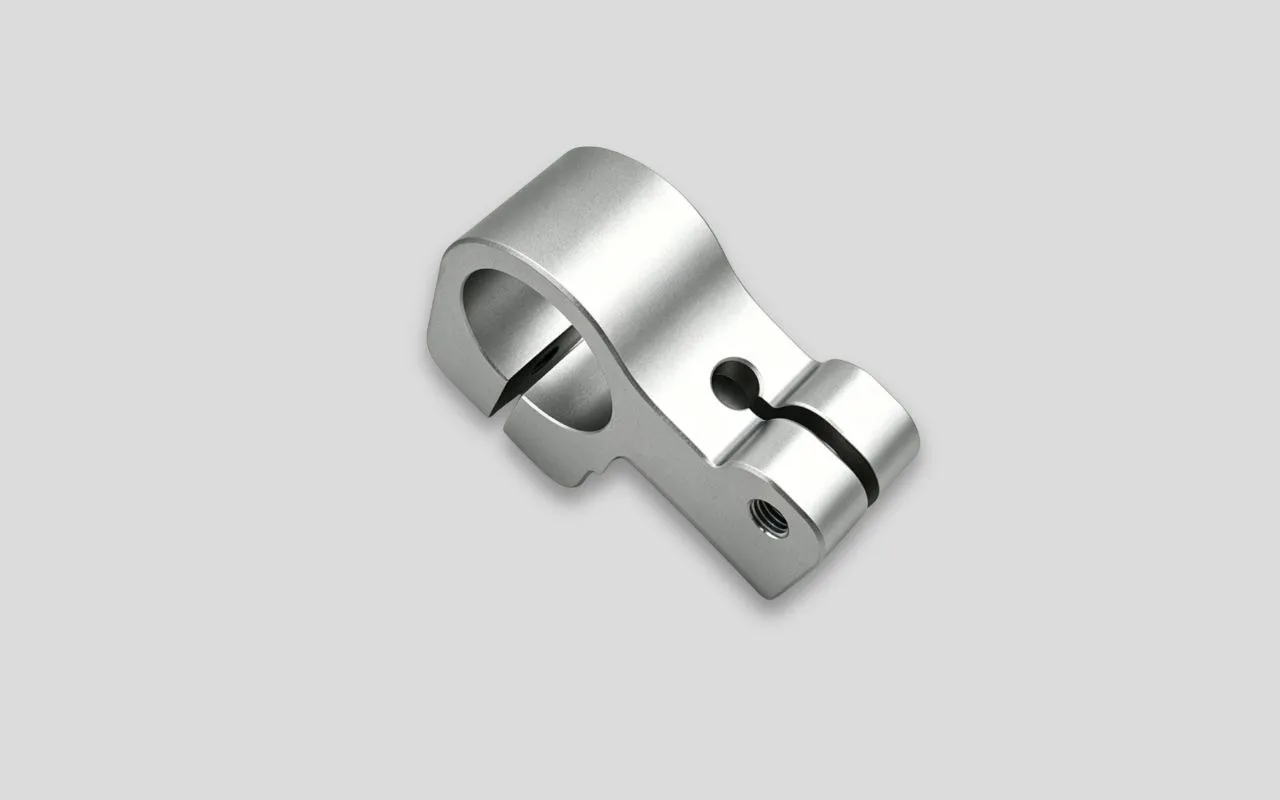
CNC machined aluminum double-bore clamp with white anodized surface for industrial and automation applications.
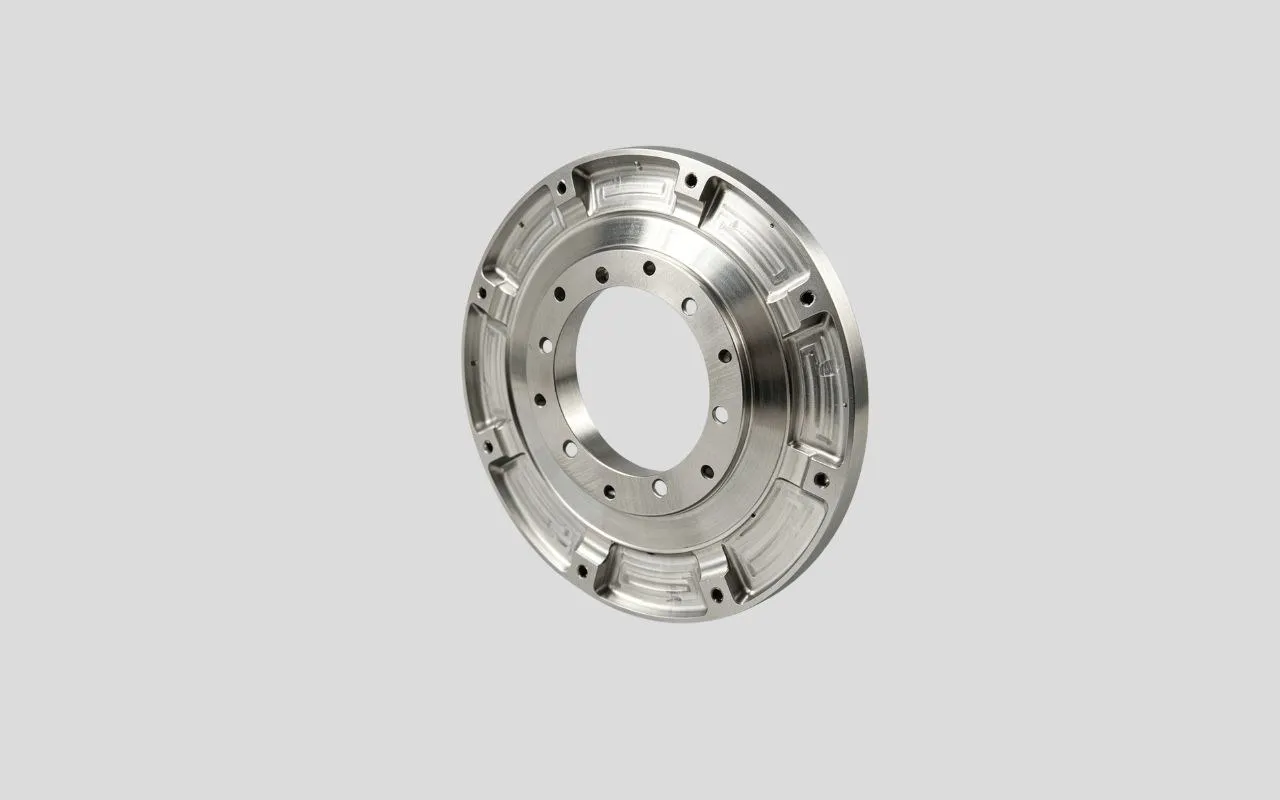
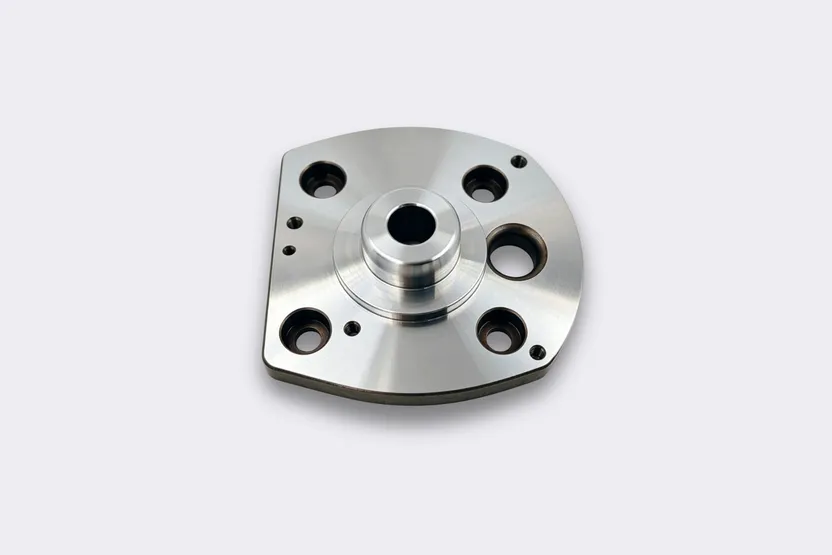
CNC machined aluminum adapter plate with alignment-related features for assembly use in industrial systems.
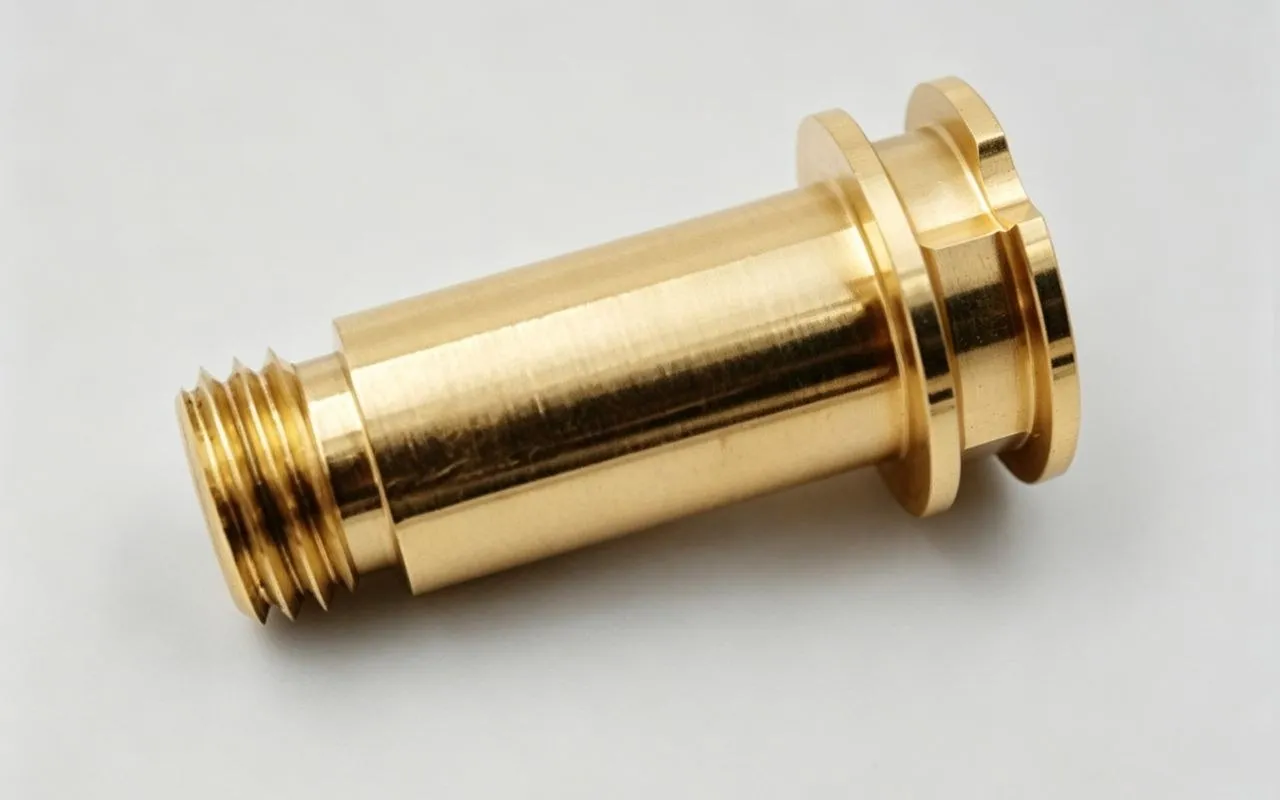
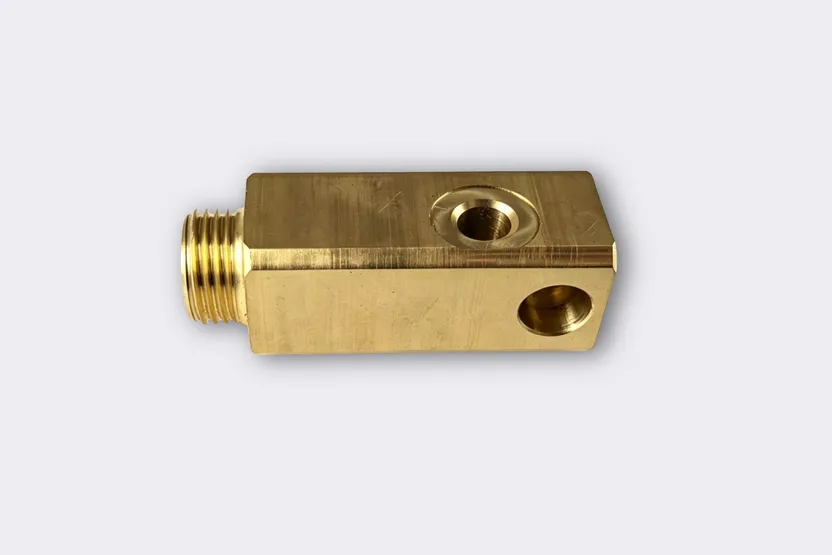
CNC turned brass valve component with threaded features and stepped profiles for fluid-control and industrial applications.
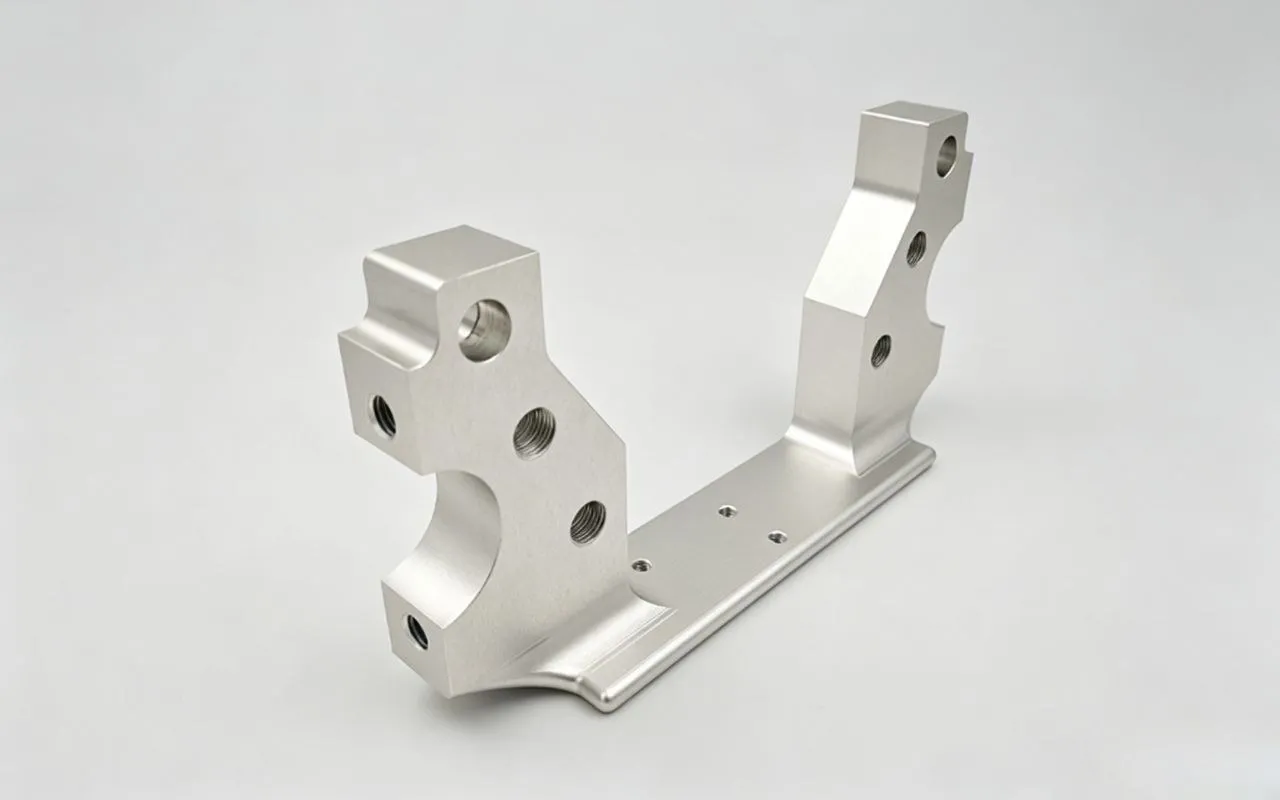
CNC machined aluminum bracket with threaded holes for mounting and support applications in automation and industrial equipment.
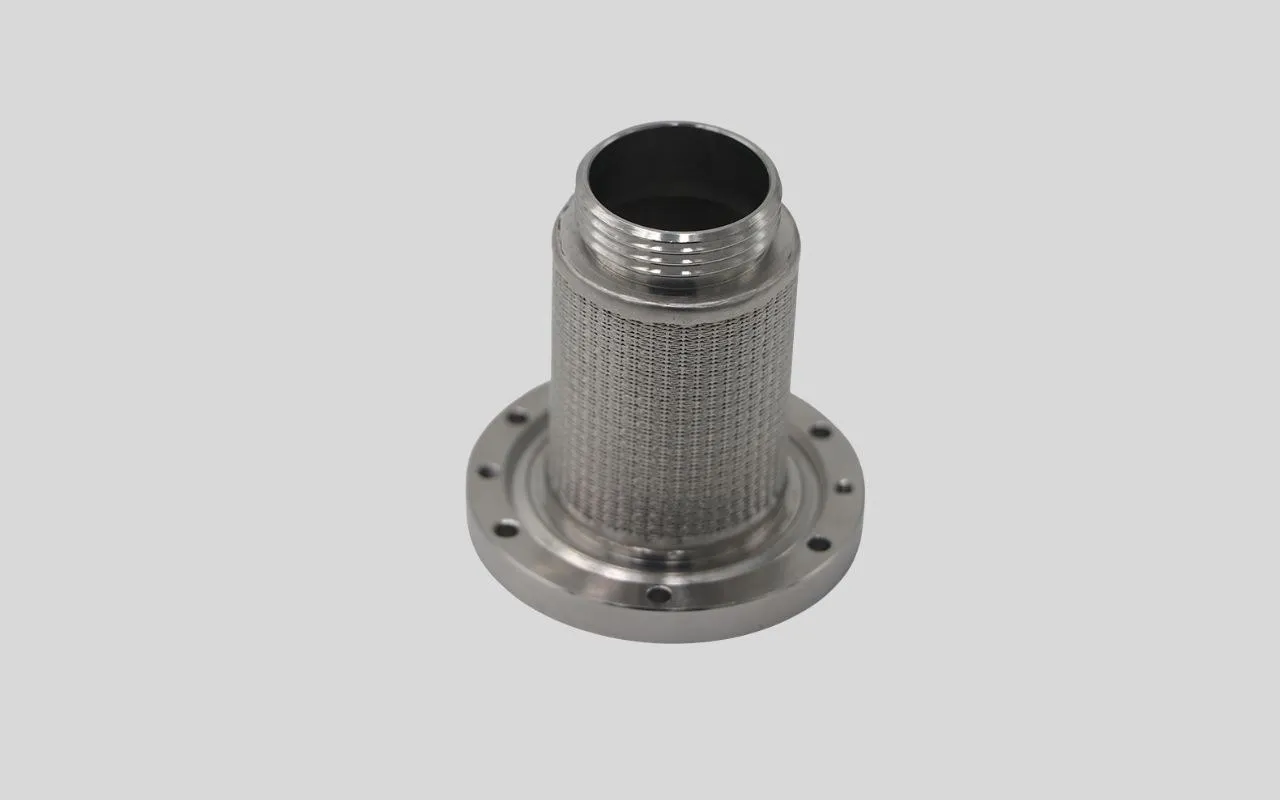
CNC machined stainless steel housing with sealing-related features for fluid and gas system applications.
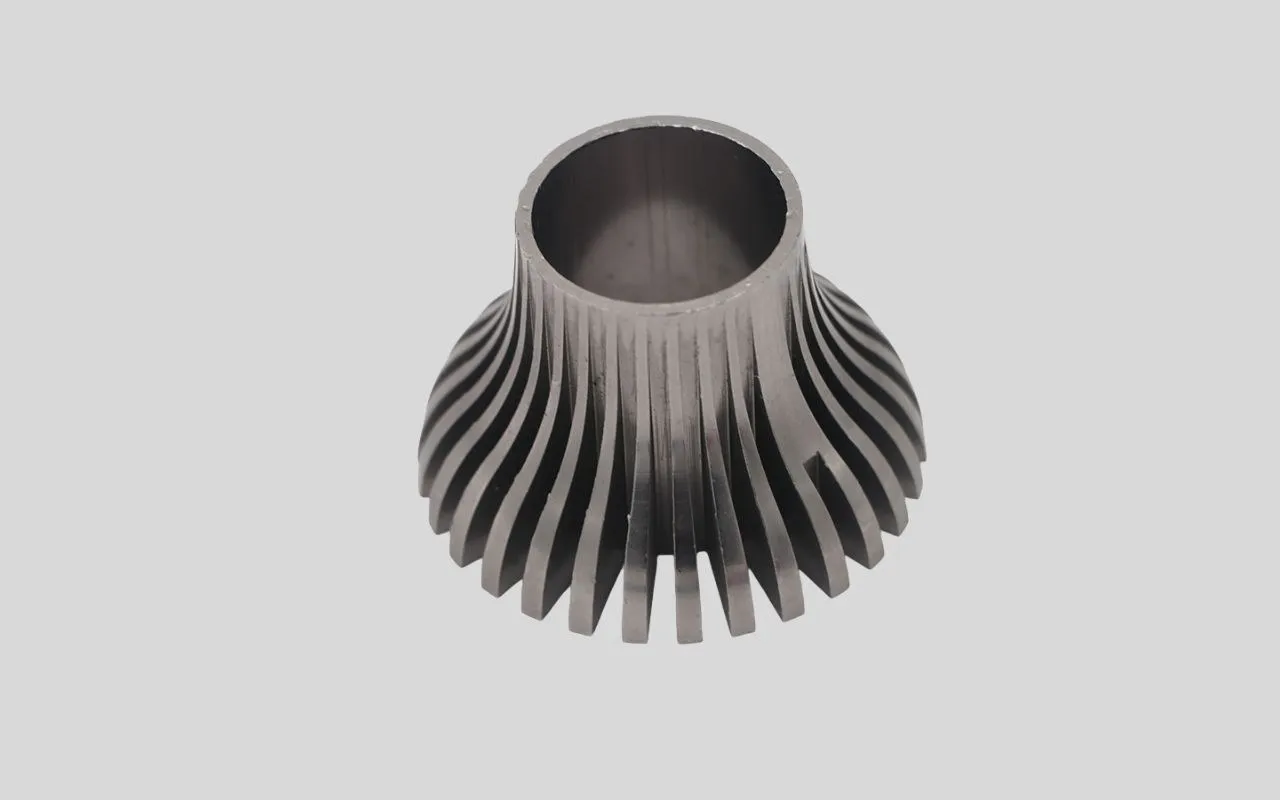
CNC machined aluminum heat sink with fin-style geometry for heat dissipation applications in electronic and industrial devices.
Quotation timing depends on drawing completeness, material selection, tolerance requirements, surface finishing, and project complexity.
Lead time varies by part complexity, quantity, material, finishing requirements, inspection needs, and production schedule.
CNC tolerance requirements should be reviewed based on drawing specifications, material, geometry, feature size, and machining process.
Material documentation and inspection requirements can be reviewed based on the drawing, material, and project requirements.
Yes, our engineering team can provide material selection guidance based on drawing requirements, application needs, machining process, and finishing considerations.
We can review quantity requirements based on part complexity, manufacturing needs, and project scope.
Tolerance requirements depend on part geometry, material selection, and manufacturing process. Critical dimensions can be reviewed during project evaluation.