PURESPEC Blog
Notes from the Drawing, the Shop Floor, and the Inspection Bench
Practical engineering guidance for the people who specify, quote, and accept custom metal parts — how requirements are written, what changes a price, and where parts and drawings quietly disagree.
- Design & DFM
- Quoting & RFQ
- Tolerances & Inspection
- Surface Finishing
- Material Selection
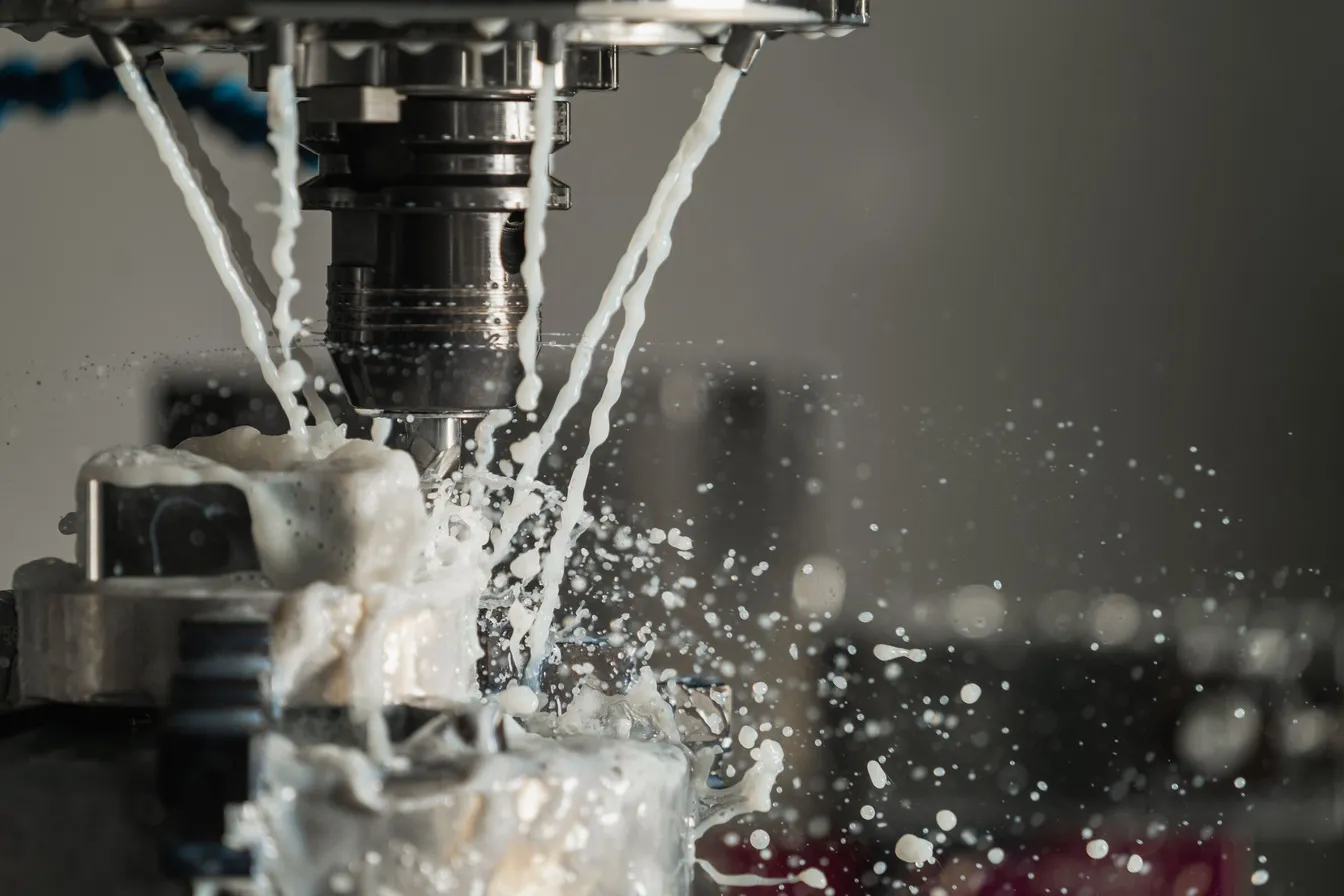
Latest · Design & DFM
Why Thin-Walled CNC Parts Distort After Unclamping
What causes thin-walled CNC parts to bow or twist when the clamps come off — fixture recovery, residual stress, wall deflection — and how to plan around it.
Lisa
All Articles
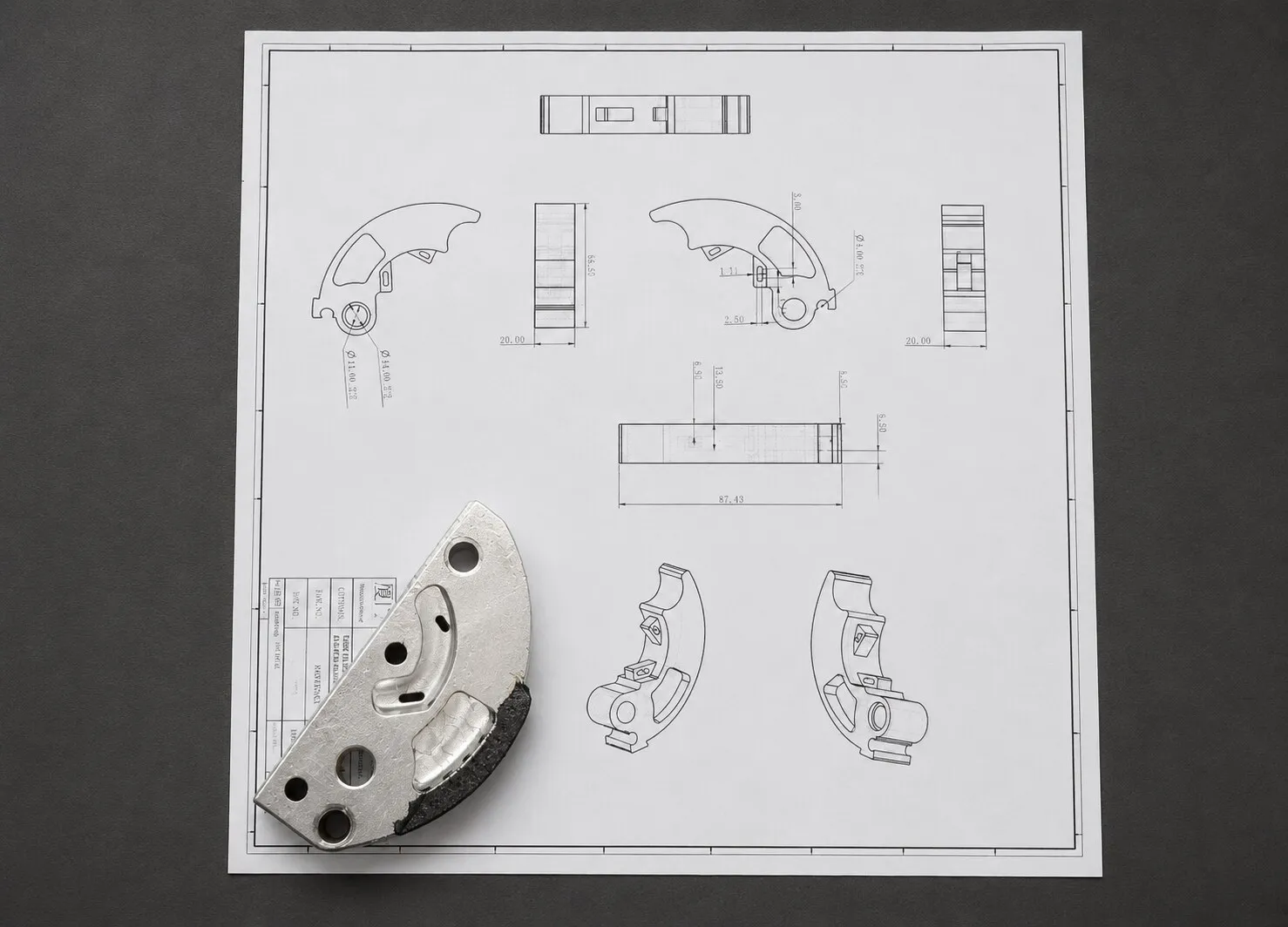
Quoting & RFQ
Why CNC Machining Quotes Vary for the Same Part
Why CNC machining quotes differ for identical files, and how to compare material, setup, finishing, inspection, lead time, and delivery on equal scope.
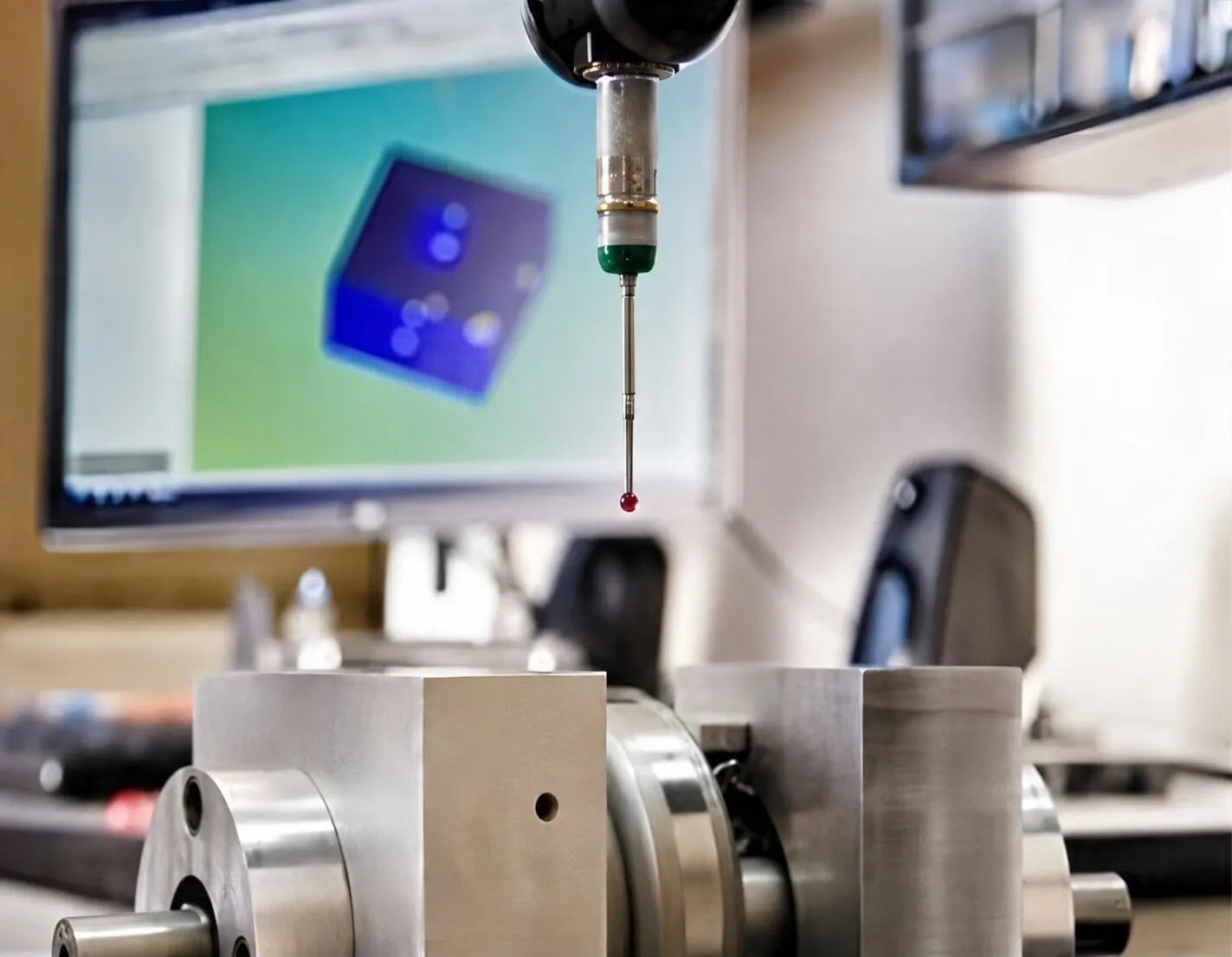
Tolerances & Inspection
Why CNC Parts Can Pass Inspection but Fail During Assembly
Eight reasons a conforming CNC part still will not assemble — stack-up, geometric control, datum setup, mating parts, finishing state, and measurement decisions.
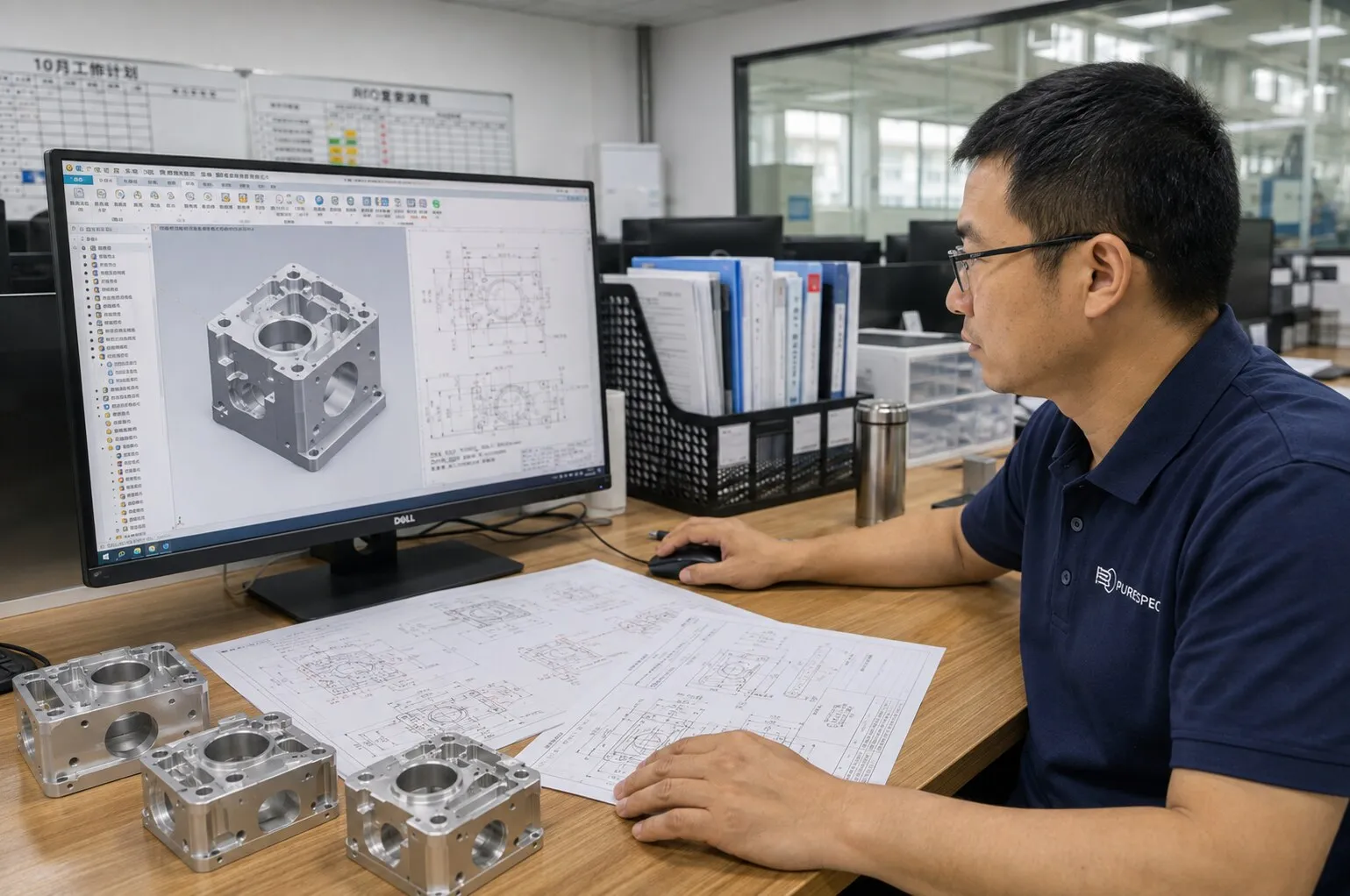
Quoting & RFQ
What to Include in a CNC Machining Drawing and RFQ
The complete CNC machining RFQ package — model and drawing authority, revision control, material, tolerances, finishing, inspection evidence, and delivery scope.
Tolerances & Inspection
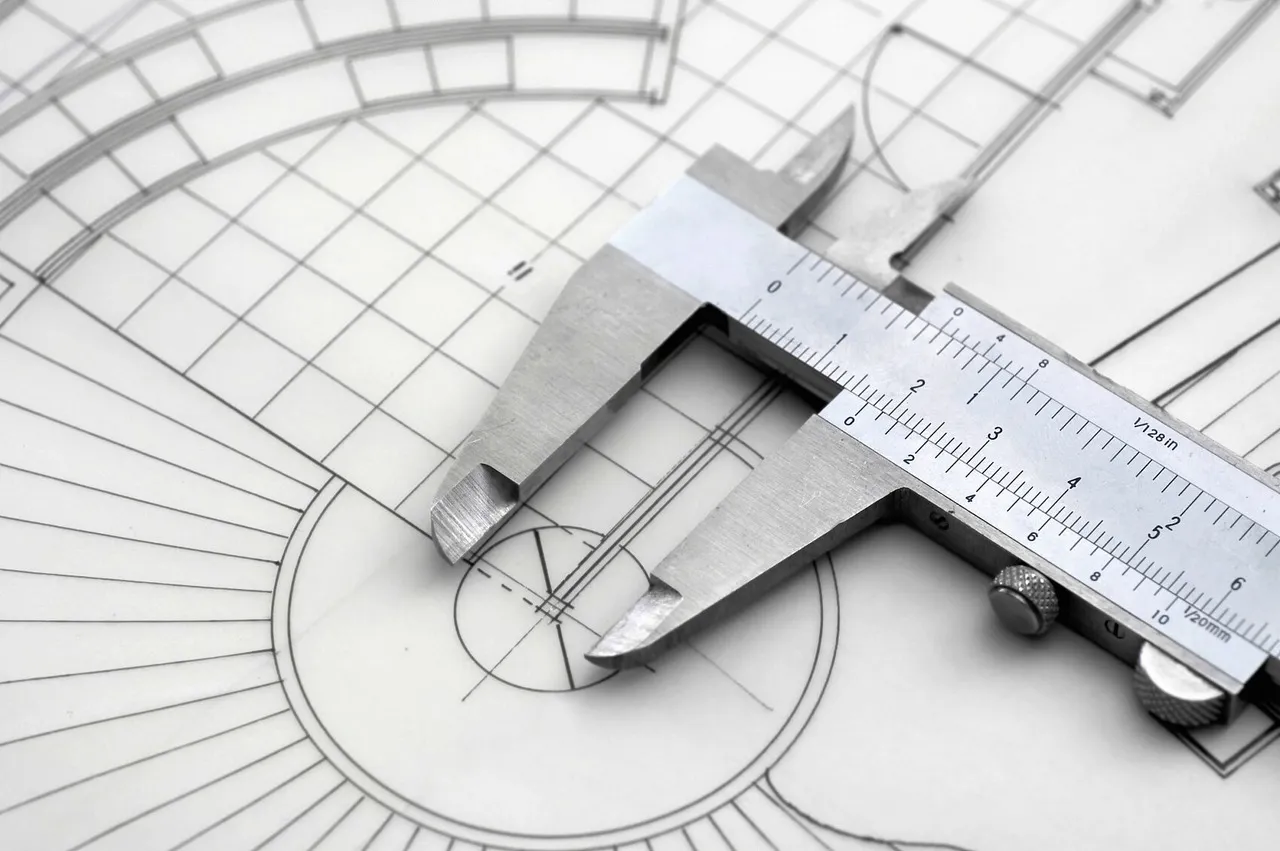
Which CNC Machining Features Actually Need Tight Tolerances?
How to decide which CNC machined features need tight tolerances — fits, locating features, aligned bores, sealing faces — and which can use general tolerances.
Surface Finishing
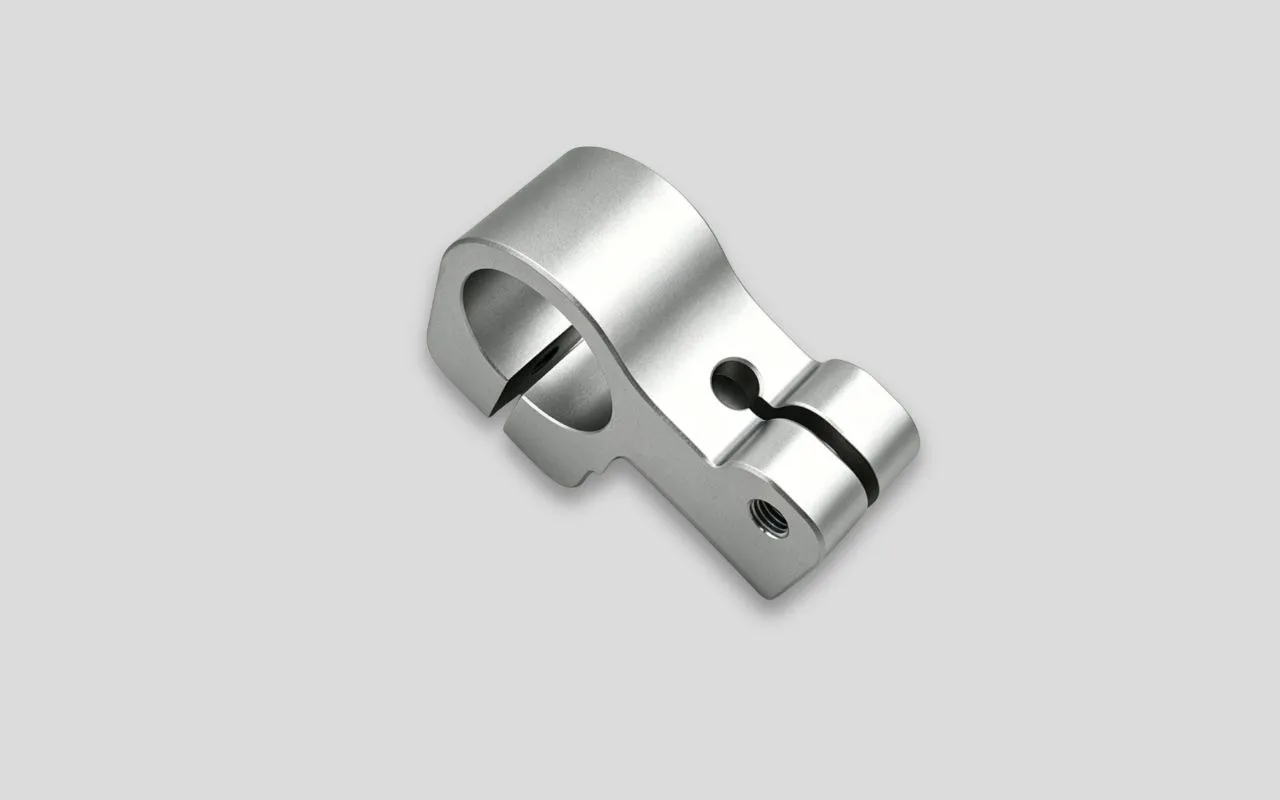
How Hardcoat Anodizing Affects Tight Tolerances in CNC Aluminum Parts
How hardcoat anodizing changes CNC aluminum dimensions — bores, threads, fits, masking, machining allowances, and what to inspect after finishing.
Design & DFM
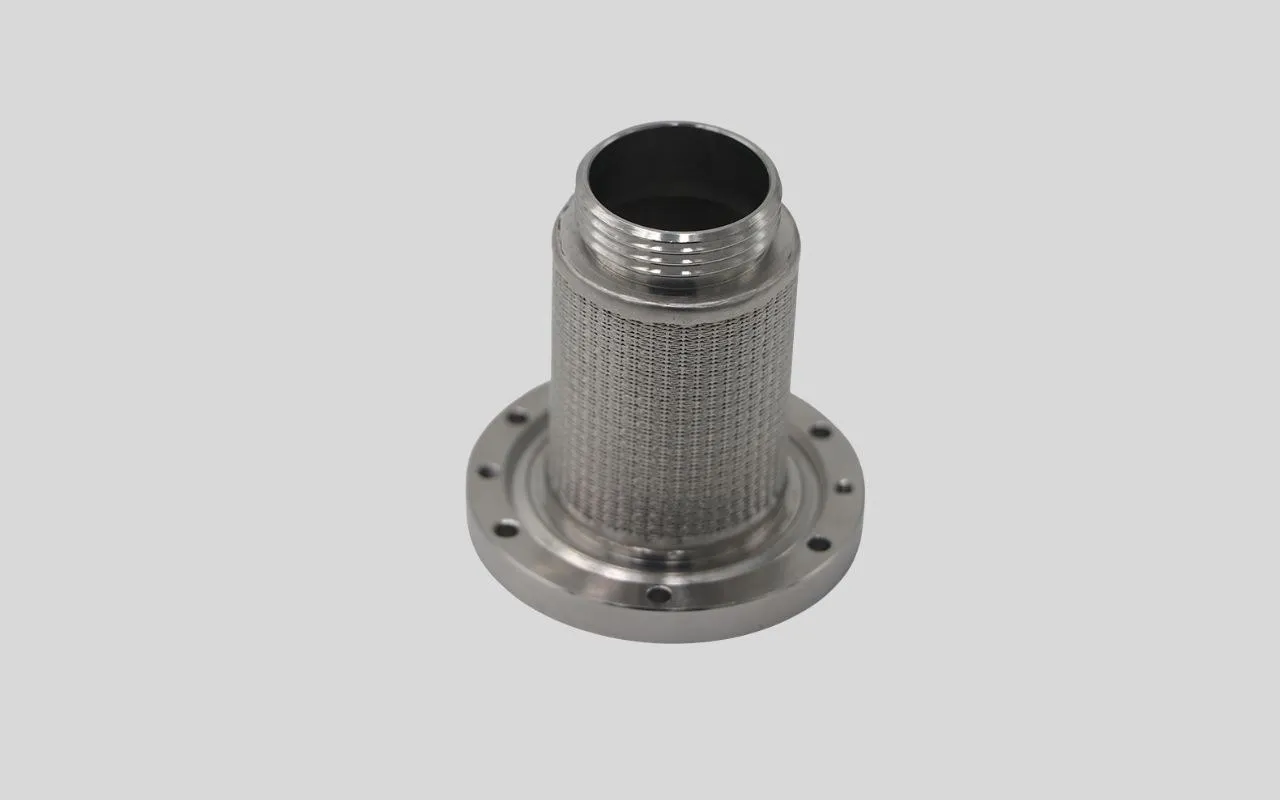
How to Prevent Thread Galling in CNC-Machined Stainless Steel Parts
How to reduce stainless steel thread galling through material pairing, thread design, machining, lubrication, coatings, and controlled assembly.
Material Selection
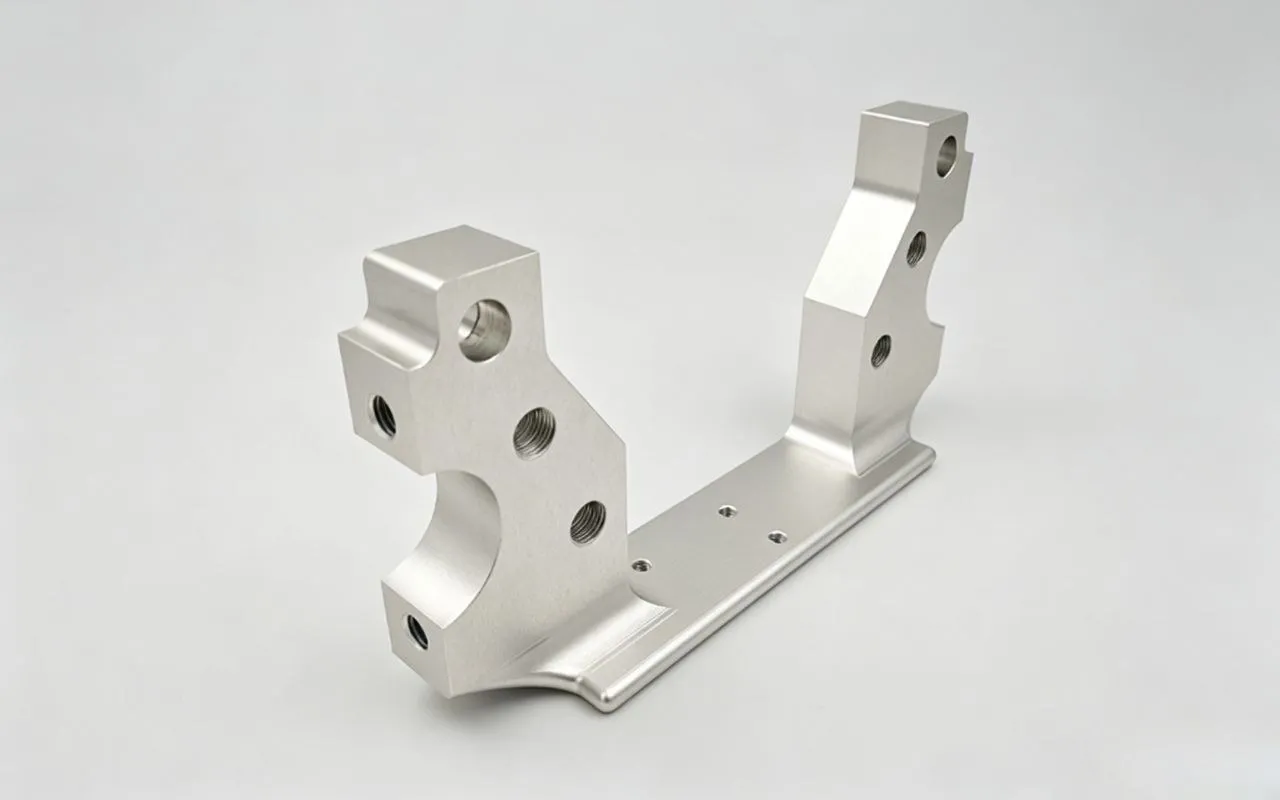
6061 vs 7075 Aluminum: Which Is Better for CNC Machined Parts?
Compare 6061 and 7075 aluminum for CNC machining — strength, stiffness, machinability, anodizing, corrosion, cost, and when each alloy is the right starting point.
Working through one of these problems on a real part?
Send the current model and controlled drawing with the material, quantity, finishing, critical features, and inspection requirements. PURESPEC can coordinate a requirement and manufacturability review before production planning and quotation.