
Electropolishing Services for Precision Stainless Steel Parts
Integrated electropolishing services for stainless steel machined and fabricated components requiring smoother surfaces, improved cleanability, and enhanced corrosion resistance.
Get a Quote →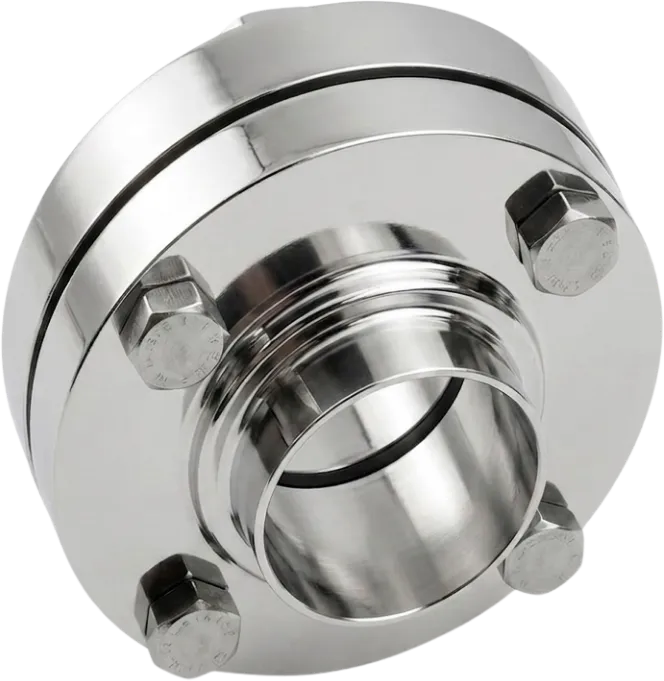
Why Electropolishing Is Commonly Used
Electropolishing is commonly used on stainless steel components requiring improved surface smoothness, enhanced corrosion resistance, and easier cleaning.
The process removes a thin layer of surface material, helping reduce microscopic surface irregularities and improve overall surface finish.
Compared with passivation alone, electropolishing may provide additional improvements in surface appearance and cleanability, depending on material grade, part geometry, and application requirements.
Typical Applications
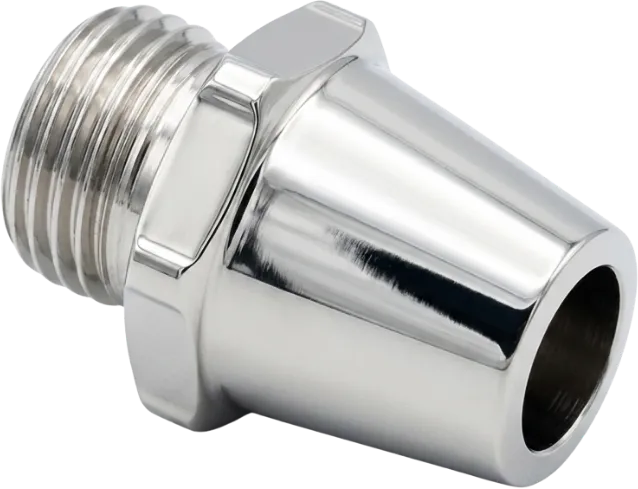
Precision Machined Components
Used on stainless steel components requiring improved surface finish and enhanced corrosion resistance.
Fluid Handling Components
Commonly selected for stainless steel parts used in fluid transfer and processing systems where smoother surfaces are beneficial.
Instrumentation Components
Applied to machined and fabricated stainless steel parts used in industrial and analytical equipment.
Cleanability-Critical Components
Suitable for stainless steel components requiring smoother surfaces and easier cleaning as part of the product design requirements.
How Electropolishing Fits Into Our Manufacturing Workflow
For stainless steel components, electropolishing requirements are reviewed together with material grade, fabrication processes, and part geometry to help improve surface finish consistency and cleanability planning.
Our workflow may include:
Material grade verification
Surface condition review after machining or fabrication
Critical surface area and cosmetic feature identification
Welded or complex area review
Integration of machining, fabrication, electropolishing, dimensional review, and inspection requirements






Manufacturing & Finishing Considerations
- 1
Surface Finish Expectations
Electropolishing improves surface smoothness and appearance. Actual results may vary depending on alloy, part geometry, and processing conditions.
- 2
Dimensional Impact
Electropolishing removes measurable surface material. The amount and uniformity of removal depend on alloy, initial surface condition, geometry, and process requirements, so critical dimensions and edges should be reviewed before processing.
- 3
Geometry Effects
Recesses, internal corners, sharp edges, and complex features can change current distribution and material-removal rates, producing uneven polishing. Critical surfaces and hard-to-reach areas should be reviewed before processing.
- 4
Material Compatibility
Common stainless steel grades can be evaluated for electropolishing, but final compatibility and surface results depend on grade, initial surface condition, geometry, and process requirements.
What to Expect From Electropolishing
- Improved surface smoothness and appearance.
- Enhanced corrosion resistance.
- Increased cleanability.
- Electropolishing removes measurable surface material; the expected removal allowance and critical tolerances should be reviewed before processing.
- Suitable for both prototype and production parts.
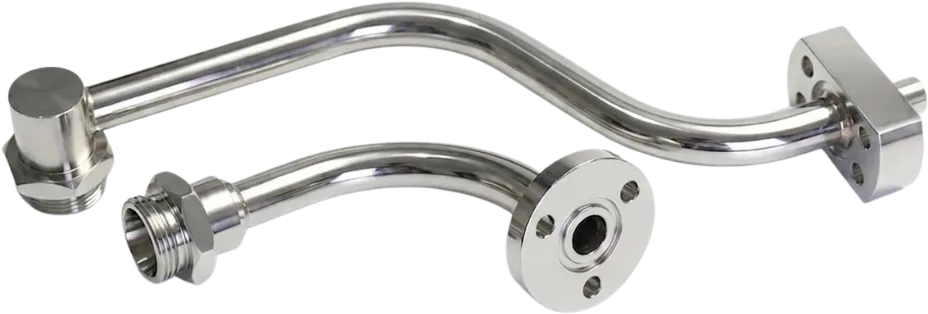
Final performance depends on alloy, surface condition, part geometry, and processing requirements.
Frequently Asked Questions
What is the difference between passivation and electropolishing?
Passivation improves corrosion resistance by removing free iron and enhancing the natural passive layer, while electropolishing additionally smooths the surface and improves cleanability.
Can electropolishing remove machining marks?
Surface appearance is improved, but electropolishing should not be considered a substitute for mechanical deburring or machining operations.
Does electropolishing affect part dimensions?
Yes. Electropolishing removes surface material and can affect critical dimensions, edges, threads, and localized features. The expected removal allowance should be reviewed before processing.
Is electropolishing suitable for industrial cleanability-critical components?
Yes. Electropolished stainless steel is commonly used in components requiring smoother, easier-to-clean surfaces in industrial and analytical applications.
Which stainless steel grades are compatible?
Grades such as 303, 304, 316, and 17-4 PH may be evaluated, but compatibility and expected results should be confirmed for the specific alloy, condition, geometry, and surface requirement.

Process recommendations may vary based on part design, material grade, and end-use requirementsContact our engineering team for application-specific guidance.
Need Electropolished Stainless Steel Components?
Our team integrates electropolishing with stainless steel machining and fabrication, including grade review, surface condition, material-removal allowance, critical dimensions, visible surfaces, and post-process inspection planning.
Get a Quote