


Thin Wall Features
Thin sections may require additional machining support to minimize deformation.
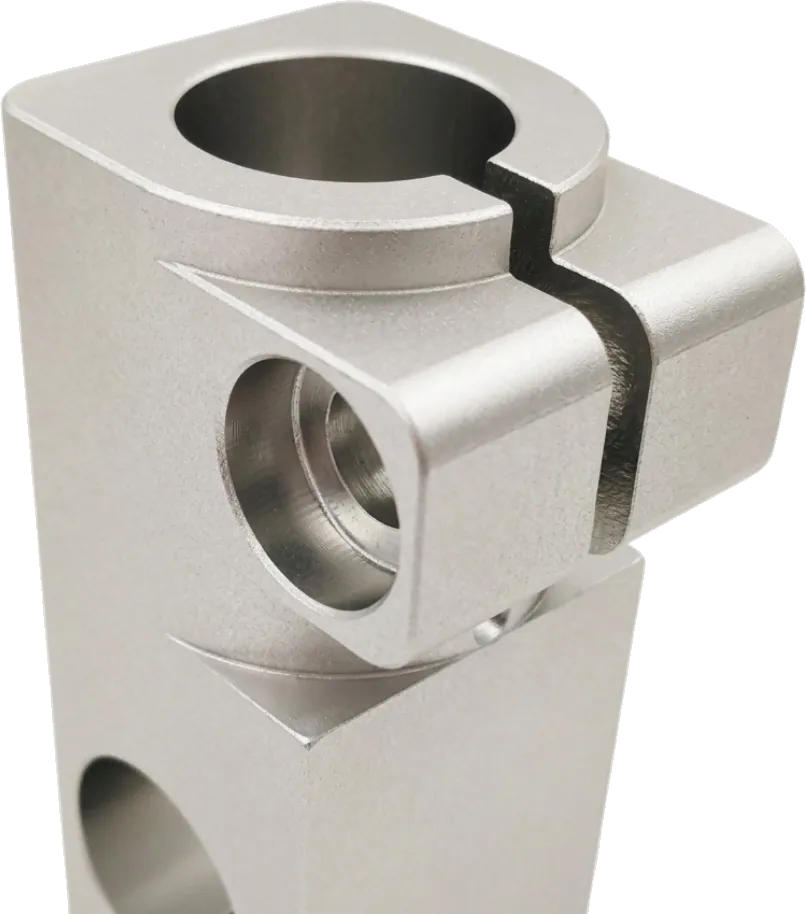
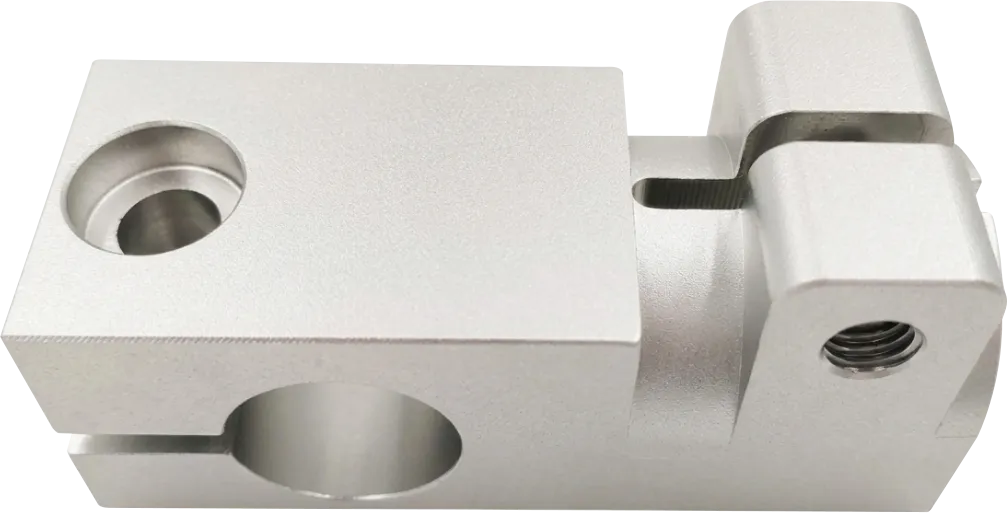
Aluminum CNC Machining for Lightweight Precision Components
CNC machining services for aluminum components used in structural, electronic, and industrial applications.
Aluminum is widely used for its machinability, lightweight properties, and cost efficiency in both prototypes and production runs.
Get a QuoteAluminum remains one of the most popular CNC machining materials because it provides a practical balance between performance, manufacturability, and cost efficiency.
Helps reduce overall component weight while maintaining structural integrity.
Supports efficient machining processes, shorter production cycles, and cost-effective manufacturing.
Naturally forms a protective oxide layer that provides resistance in many industrial environments.
Compatible with a wide range of finishing processes including anodizing, powder coating, and chromate conversion.
Suitable for complex geometries, precision features, and custom machined components.
Commonly used for projects requiring a balance of machinability, strength, and cost efficiency.
Often considered when higher strength is required, although machining, cost, and finishing requirements should be reviewed carefully.
Commonly considered when corrosion resistance and forming performance are important.
Often considered for structural applications where strength and machinability need to be balanced.
Material selection should always be evaluated together with component geometry, tolerance requirements, operating conditions, and finishing requirements.
Selecting the appropriate aluminum grade depends on project requirements, environmental conditions, machining considerations, and finishing preferences.
| Grade | Machinability | Strength | Corrosion Resistance | Engineering Expert Insight |
|---|---|---|---|---|
| 6061-T6 | Excellent | Medium | Good | Commonly used for CNC milling and standard housing-type components. |
| 7075-T6 | Good | Very High | Moderate | Suitable for high-strength precision components where weight reduction is important. |
| 5052-H32 | Moderate | Medium | Excellent | Commonly used for sheet metal bending and forming applications. |
| 6082-T6 | Good | Medium-High | Good | Often considered for structural components where strength, machinability, and project requirements need to be balanced. |
Specific aluminum grades and material standards can be reviewed according to drawing and project requirements.
Once a material is selected, surface finish selection should be reviewed together with application needs, dimensional requirements, and operating environment.
| Finish Type | Core Value (Engineering Edge) | Compatible Alloys / Review Notes |
|---|---|---|
| Type II Anodizing → | Color options and moderate surface hardness improvement. | 6061, 6082; review by alloy and requirement. |
| Hardcoat Anodizing → | Harder anodized surface for improved wear and corrosion resistance. | Review by alloy, geometry, and dimensional requirement. |
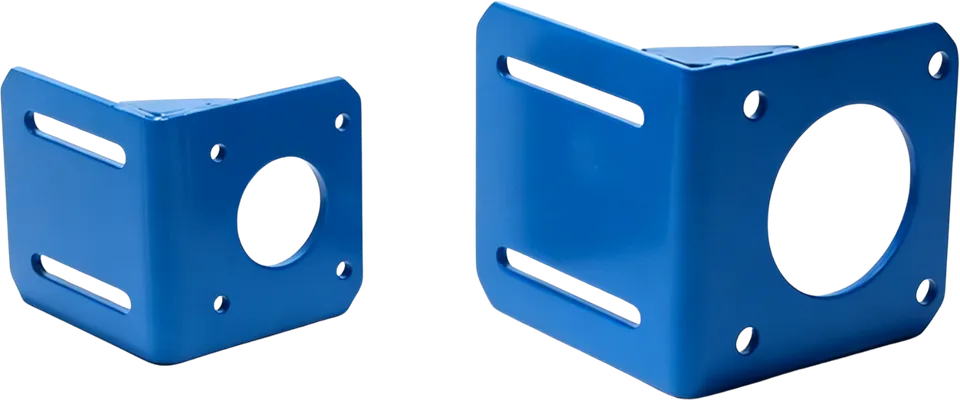
| Powder Coating → | Protective and decorative coating for surface appearance and environmental resistance. | 5052, 6061; review by pretreatment and environment. |
| Chromate Conversion → | Helps retain electrical conductivity and can support paint adhesion. | Review by conductivity, corrosion, and painting requirements. |
Understanding machining requirements early in the design phase can help improve manufacturability and production efficiency.
Thin sections may require additional machining support to minimize deformation.
Tool accessibility and chip evacuation should be considered when designing deep internal features.
Critical dimensions should be clearly identified during engineering review and quotation evaluation.
Thread size, depth, and engagement requirements should be considered during part design.
Some finishing processes may influence final dimensions, appearance, and inspection requirements.
Aluminum is commonly used for a wide range of custom machined components, including:
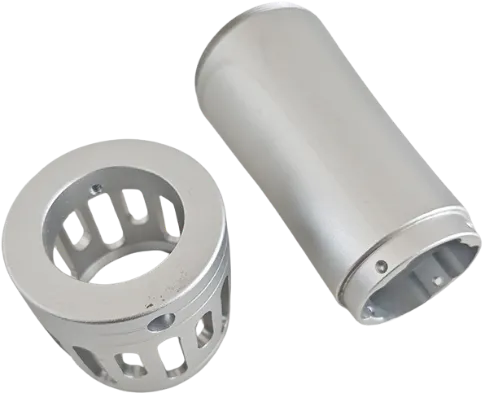
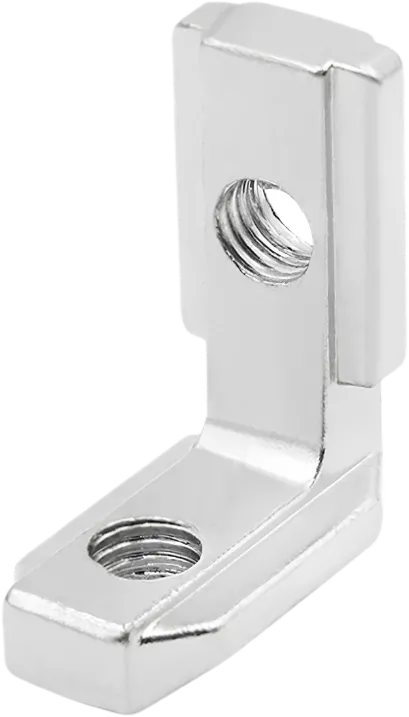
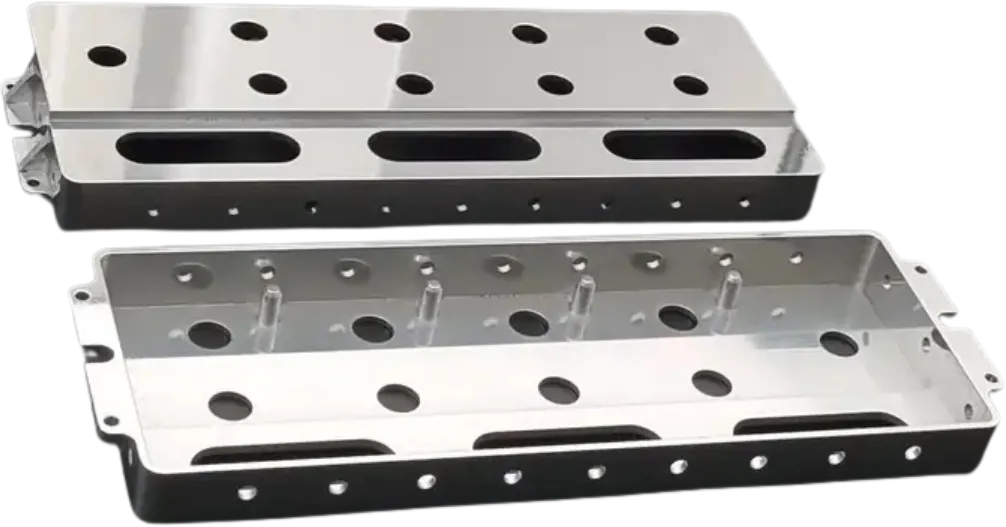
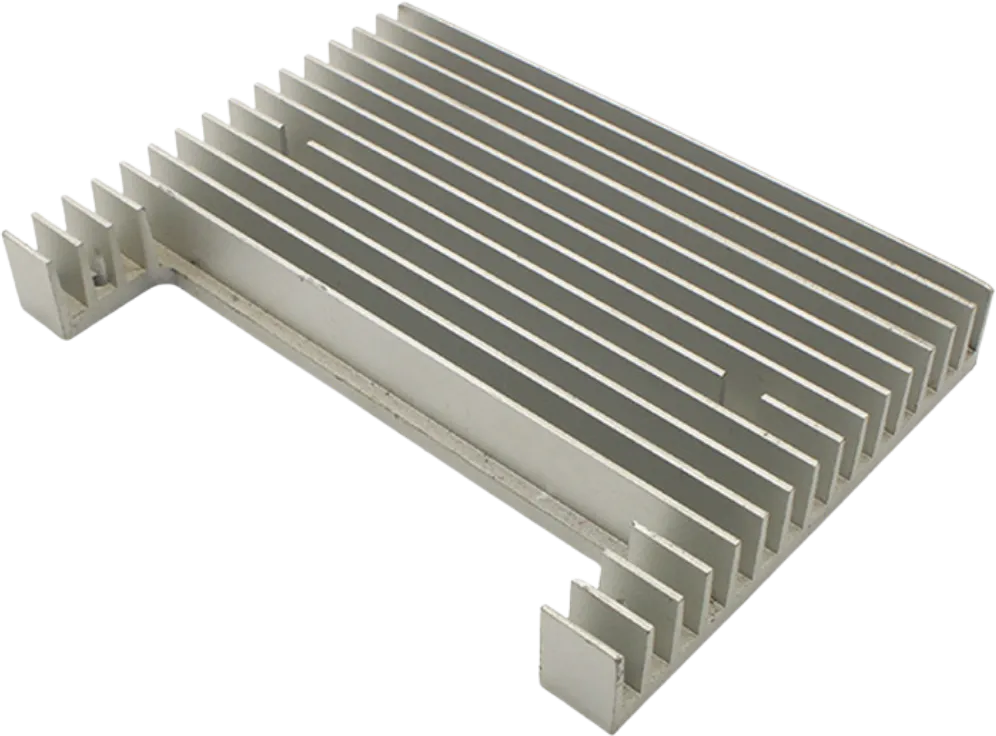
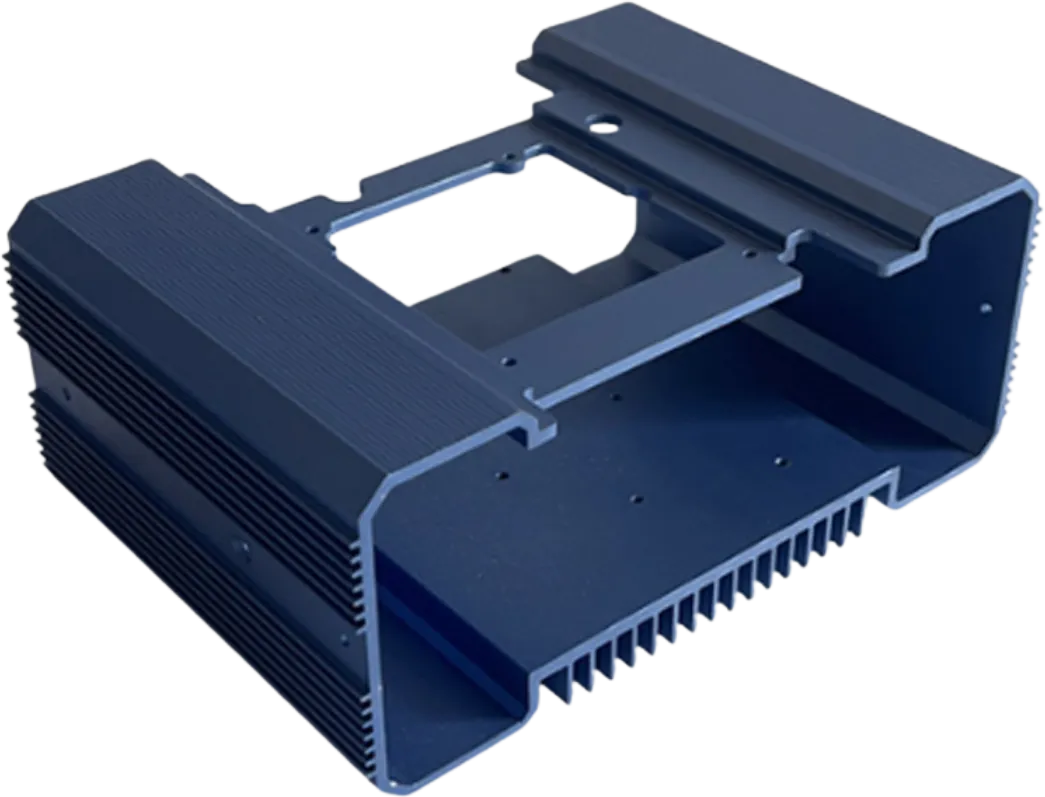
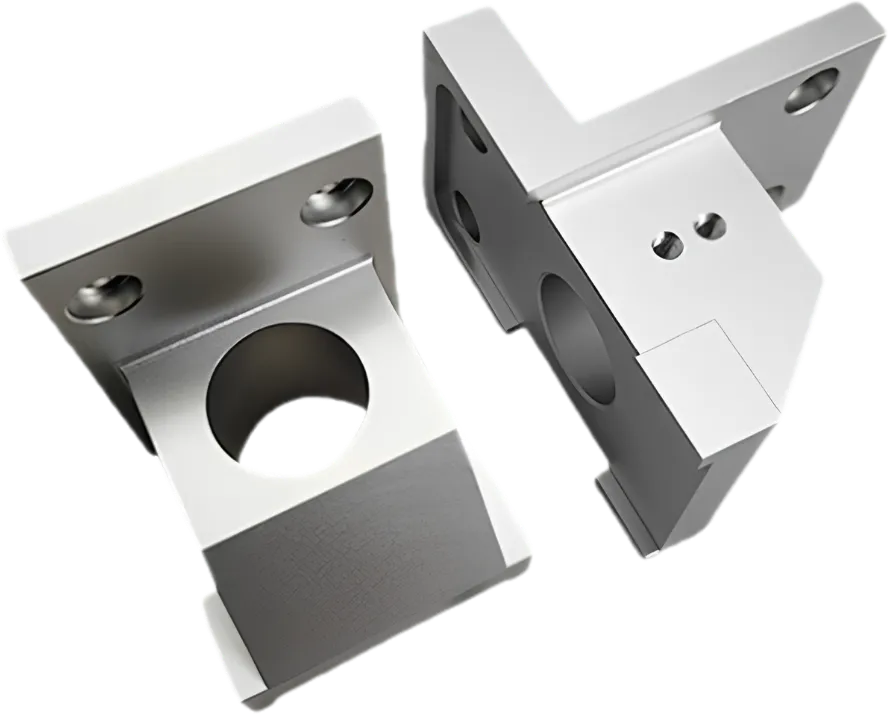
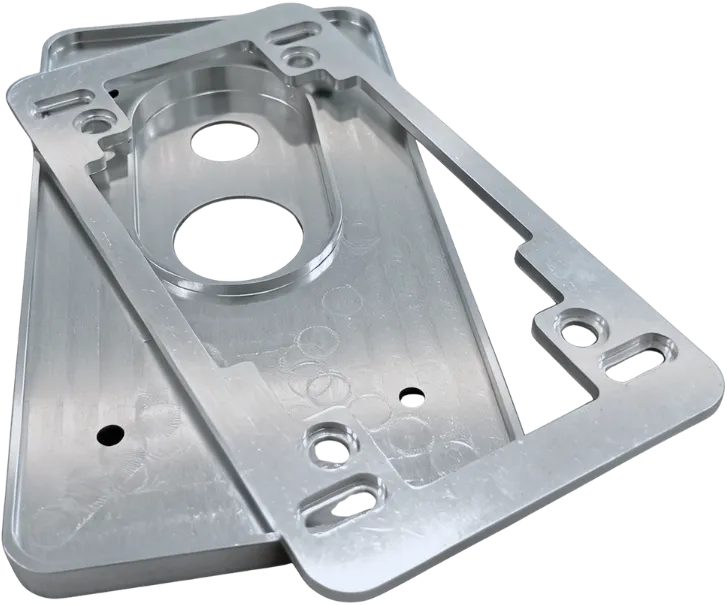
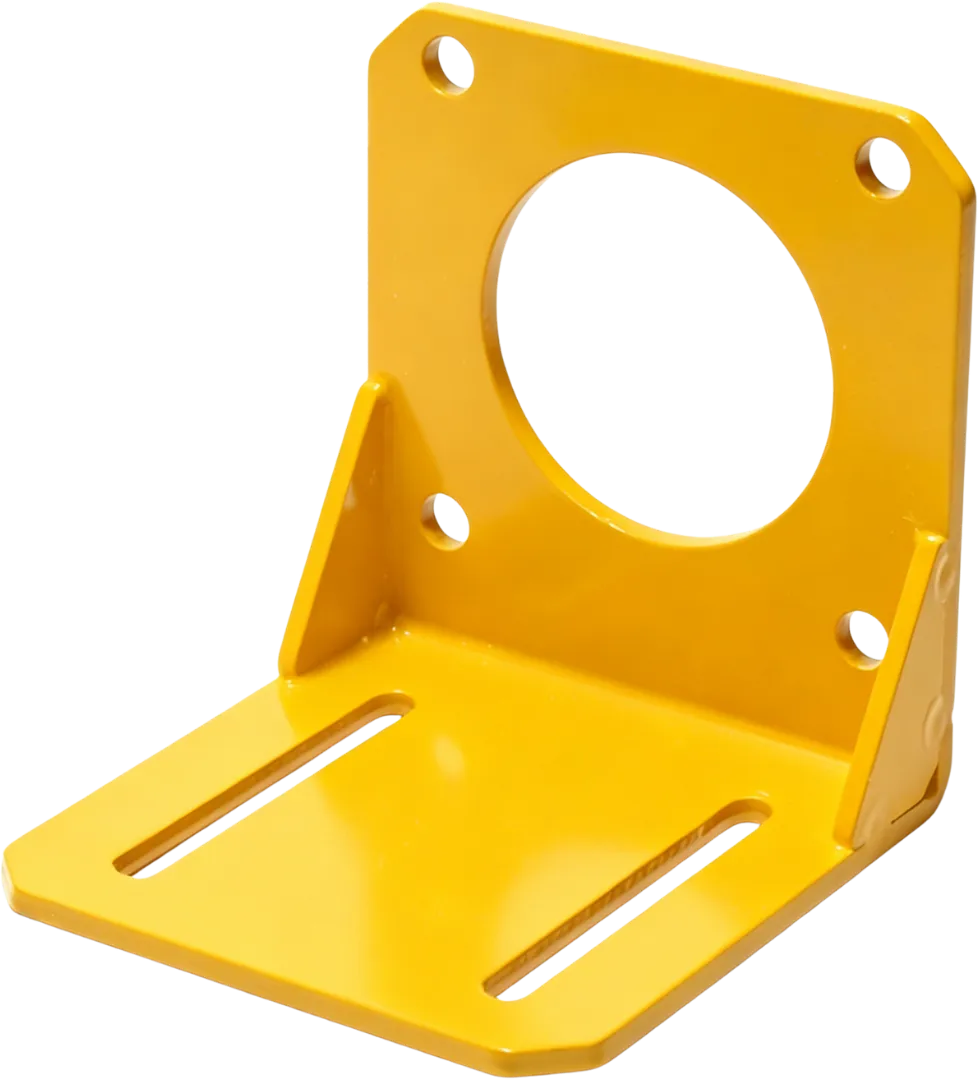
These component types are frequently used across industrial and technical applications requiring lightweight and precisely machined parts.
Aluminum CNC machined components are commonly used across a wide range of industrial and technical applications.
Application requirements should be reviewed according to project specifications, performance targets, and project-specific requirements.
Aluminum may be a suitable material choice when the following priorities are important:
Aluminum is widely used in CNC machining due to its excellent machinability, lightweight properties, and strong cost efficiency. Engineering support focuses on balancing performance, dimensional stability, and production efficiency.
Alloy selection (6061, 7075, 5052 etc.) based on strength, corrosion resistance, weight reduction, and structural requirements.
Thin-wall stability, rib reinforcement, deep cavity feasibility, and deformation control during machining.
High-speed cutting strategy, chip evacuation performance, tool engagement optimization, and tolerance risks in complex geometries.
Anodizing compatibility, cosmetic surface requirements, corrosion protection level, and post-processing impact on dimensions.
Cost-aware alloy selection, quantity planning, machining time review, and production requirement evaluation.
Yes. Aluminum is widely used for precision CNC machining and can support tight tolerance requirements depending on component geometry and manufacturing considerations.
Yes. Aluminum is highly compatible with anodizing and hardcoat anodizing processes.
Common options include anodizing, hardcoat anodizing, chromate conversion, bead blasting, powder coating, and electroless nickel.
Many aluminum grades provide good corrosion resistance and can be further enhanced through appropriate surface finishing.
Common examples include housings, brackets, covers, fixtures, mounting plates, heat sinks, and equipment panels.
Aluminum generally offers lower weight and easier machinability, while stainless steel may provide higher strength and corrosion resistance in certain environments.
Whether you are developing a prototype or preparing for production, our team can help review your design requirements and provide engineering support for custom CNC machined components.
Get a Quote