Passivation for Stainless Steel Machined & Fabricated Parts
Passivation integrated with stainless steel machining and fabrication for components requiring removal of free iron contamination and improved corrosion resistance after manufacturing or handling.
Get a Quote →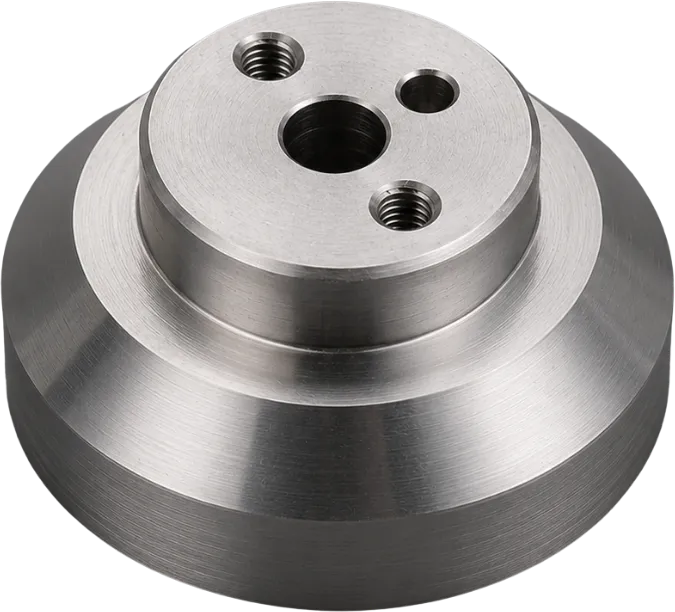
Why Passivation Is Commonly Used
Passivation is commonly applied to stainless steel components to help improve corrosion resistance after machining, fabrication, or handling processes.
The process removes free iron contamination from the surface and helps support the formation of the material's natural corrosion-resistant layer.
Typical Applications
Precision Machined Components
Commonly applied to stainless steel machined parts requiring improved corrosion resistance after machining operations.
Fabricated Stainless Steel Assemblies
Suitable for fabricated stainless steel components where corrosion resistance is an important consideration.
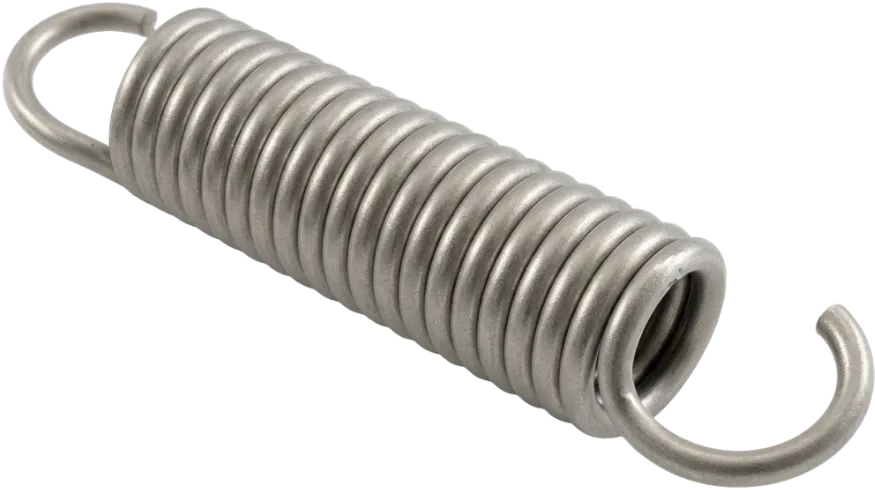
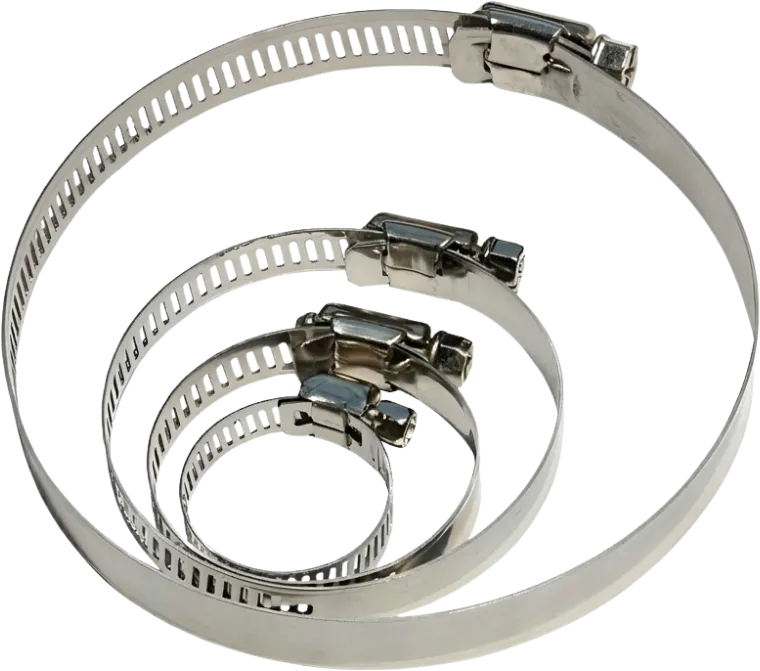
Fasteners & Hardware Components
Often used on stainless steel fasteners, fittings, and hardware requiring corrosion-resistant performance in industrial environments.
Instrumentation & Equipment Components
Applied to stainless steel parts used in industrial equipment, instrumentation, and general manufacturing applications.
How Passivation Fits Into Our Manufacturing Workflow
For stainless steel components, passivation requirements are reviewed together with material grade, fabrication processes, and assembly considerations.
Our workflow may include:
Material grade verification
Surface condition review
Cleaning and preparation planning
Post-machining processing review
Integration of manufacturing, cleaning, passivation, and customer-specified verification requirements






Manufacturing & Finishing Considerations
- 1
Material Grade
Passivation is commonly used on many stainless steel grades, including 303, 304, 316, and 17-4 PH.
- 2
Surface Condition
Surface contamination, machining residues, and fabrication processes may influence final results.
- 3
Welded Assemblies
Welded areas may require additional review depending on material and application requirements.
- 4
Dimensional Impact
Passivation generally has minimal dimensional impact because no substantial coating layer is intentionally added.
What to Expect From Passivation
- Can improve corrosion resistance by removing free iron contamination and supporting passive surface formation.
- Applicable to suitable stainless steel grades after material and process review.
- No substantial coating layer is intentionally added, so dimensional impact is generally limited.
- Compatible with machined and fabricated components where surface condition and welded areas are properly reviewed.
- Required post-passivation verification depends on the drawing, specification, and customer requirements.
Final performance depends on material grade, surface condition, application environment, and processing requirements.
Frequently Asked Questions
Does passivation add coating thickness?
No coating layer is intentionally added during passivation.
Which stainless steel grades can be passivated?
Many commonly used stainless steel grades can be passivated, including 303, 304, 316, and 17-4 PH.
Is passivation the same as electropolishing?
No. Passivation primarily improves corrosion resistance, while electropolishing also modifies surface finish and appearance.
Can passivation be applied after CNC machining?
Yes. Passivation is commonly performed after machining and fabrication processes.

Process recommendations may vary based on part design, material grade, and end-use requirementsContact our engineering team for application-specific guidance.
Need Passivated Stainless Steel Components?
Our team integrates passivation with stainless steel machining and fabrication, including grade review, surface condition, cleaning requirements, welded areas, and customer-specified post-passivation verification.
Get a Quote