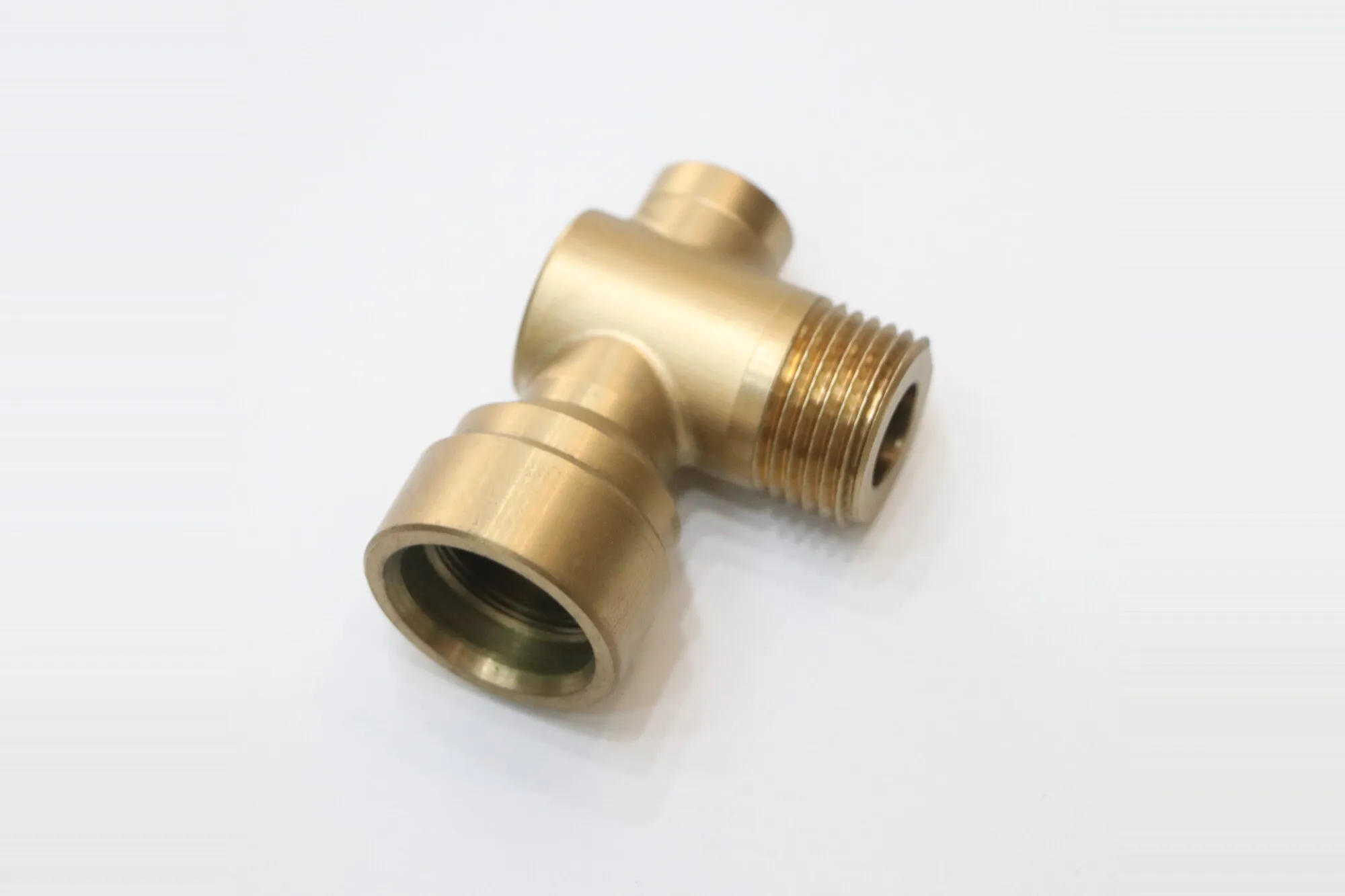
Brass valve body
Threaded outlet and internal cross-drilled porting in one body.
Valve bodies, spools, orifice fittings, filter cartridges and seal housings in brass, 303/304/316 stainless and aluminum — parts whose whole purpose is to seal, meter or filter.
At the sealing face, or at the intersection where a cross-drilled port breaks into a bore. Everything else on a valve body is comparatively forgiving; those two features decide whether it works.
The intersection is the harder one, because the burr it leaves is on the inside of the bore — exactly where it is difficult to reach and exactly where it will score a seal or shed into the system. It has to be removed without rounding over the land beside it, since that land is often what the seal runs against. 'Deburred' on a drawing does not settle this, so we would rather agree the required edge condition before cutting than discover the disagreement at first article.
Cleanliness is the other thing worth stating early. A part destined for an instrument or a medical gas system has requirements that have nothing to do with its dimensions, and they change how we handle, wash and pack it.
Brass machines freely and seals well, which is why so much fluid hardware is made from it. The work is in the ports and the thread forms.
Threaded outlet and internal cross-drilled porting in one body.
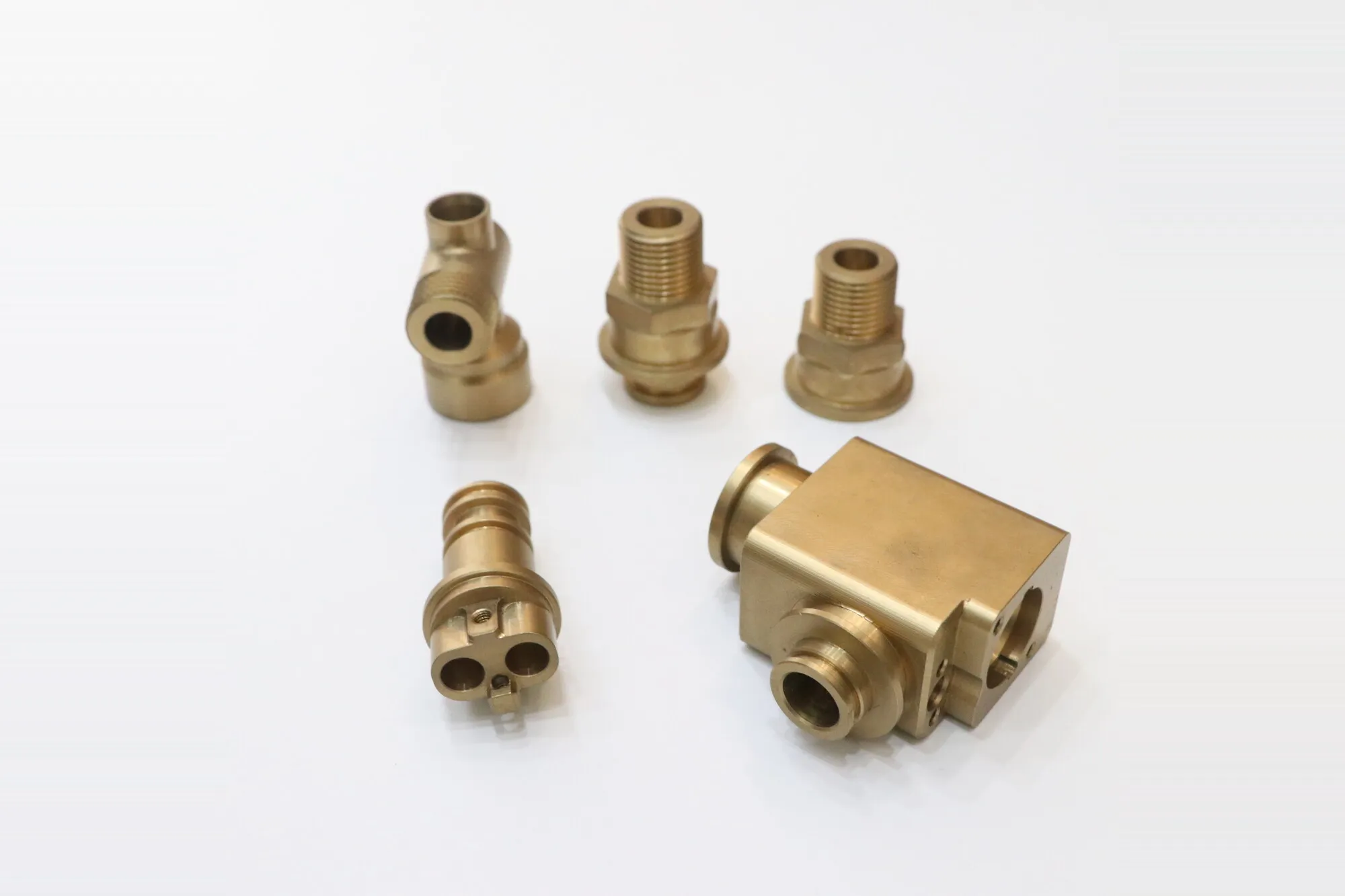
A production family of fittings and small bodies.
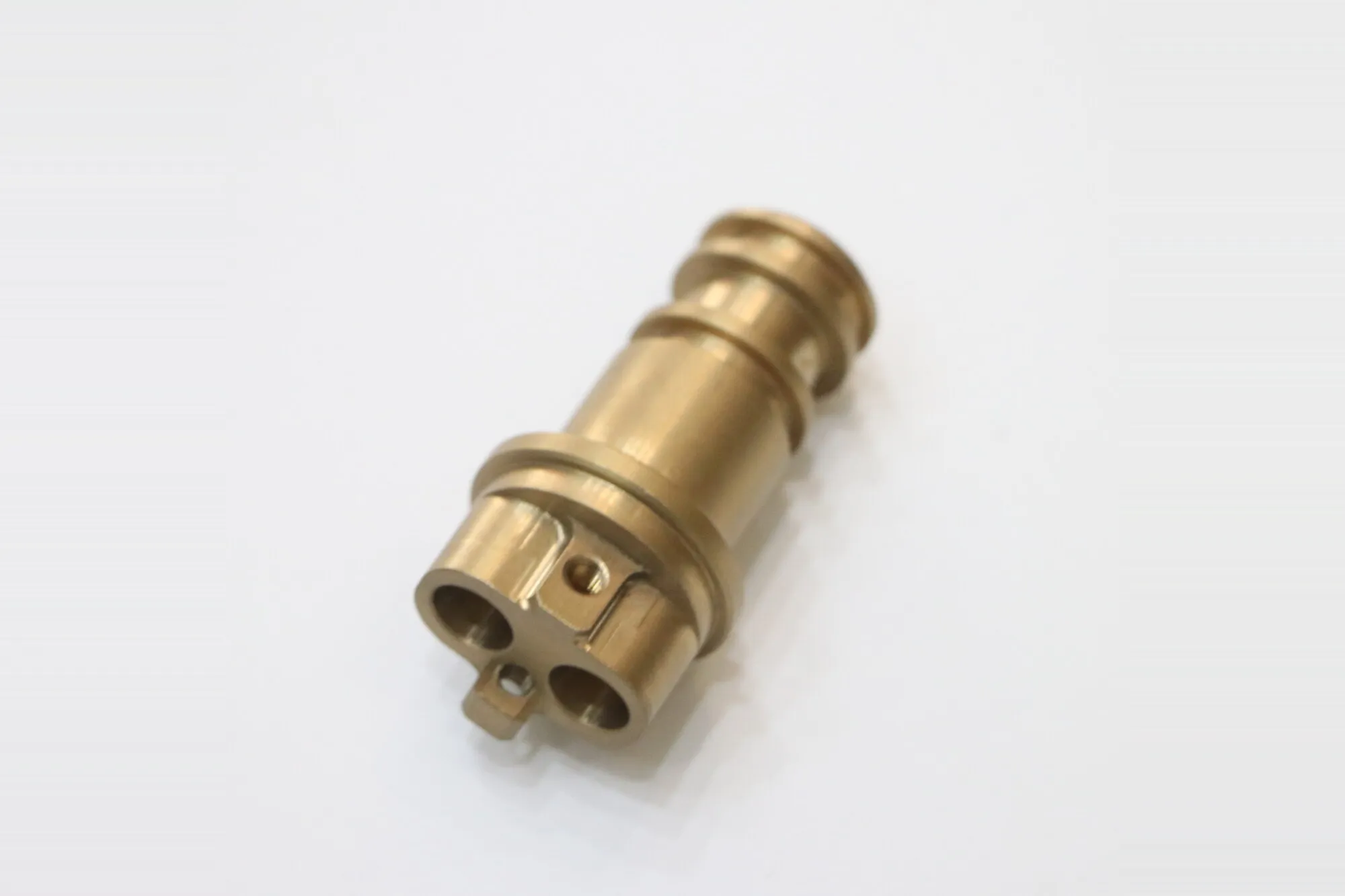
Several ports into a common gallery, each sealing independently.
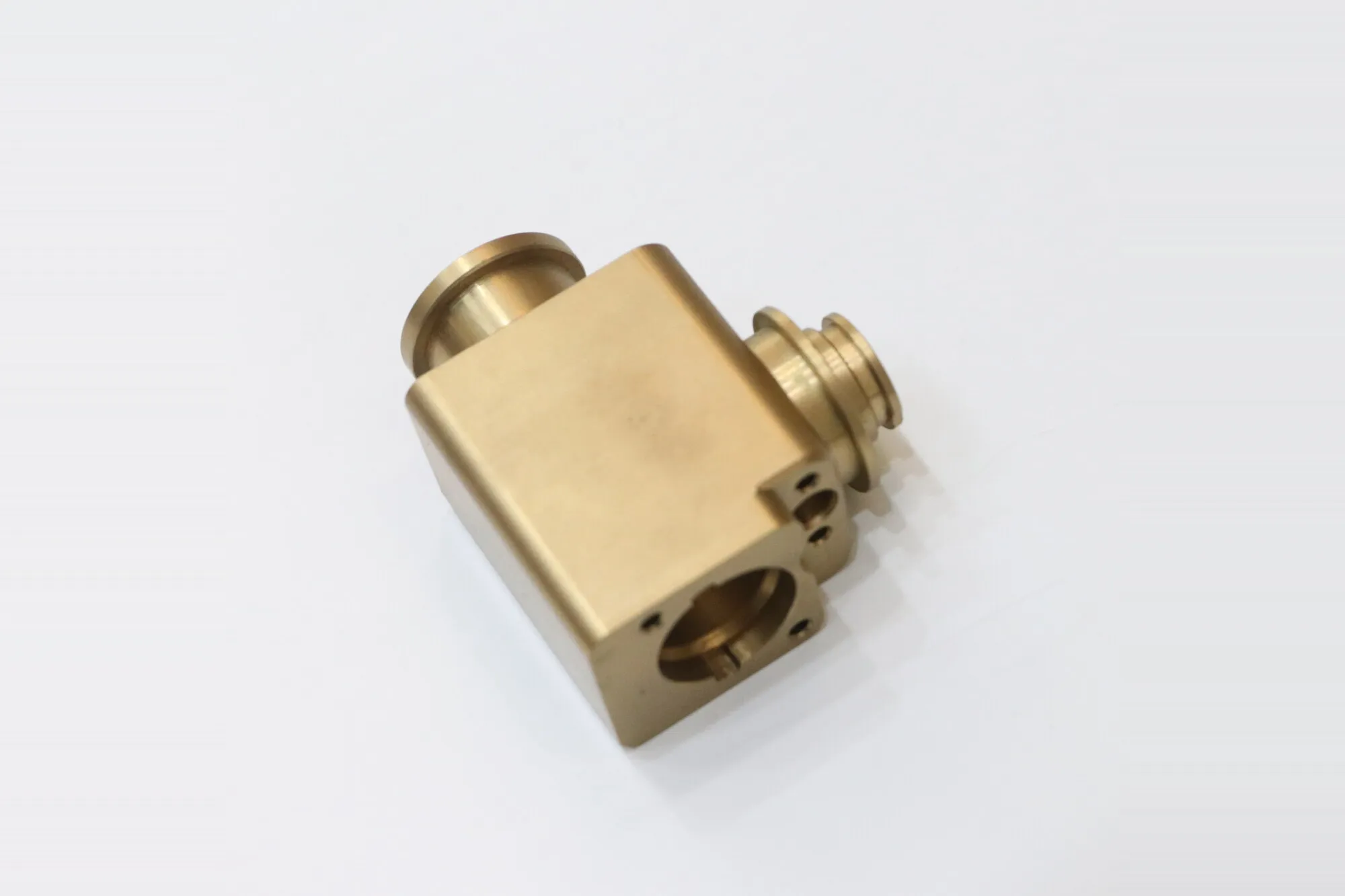
Milled square body with turned sealing bosses on the ports.
Metering hardware and associated instrument components, combining controlled ports and sealing lands with the surface condition required on finished stainless parts.
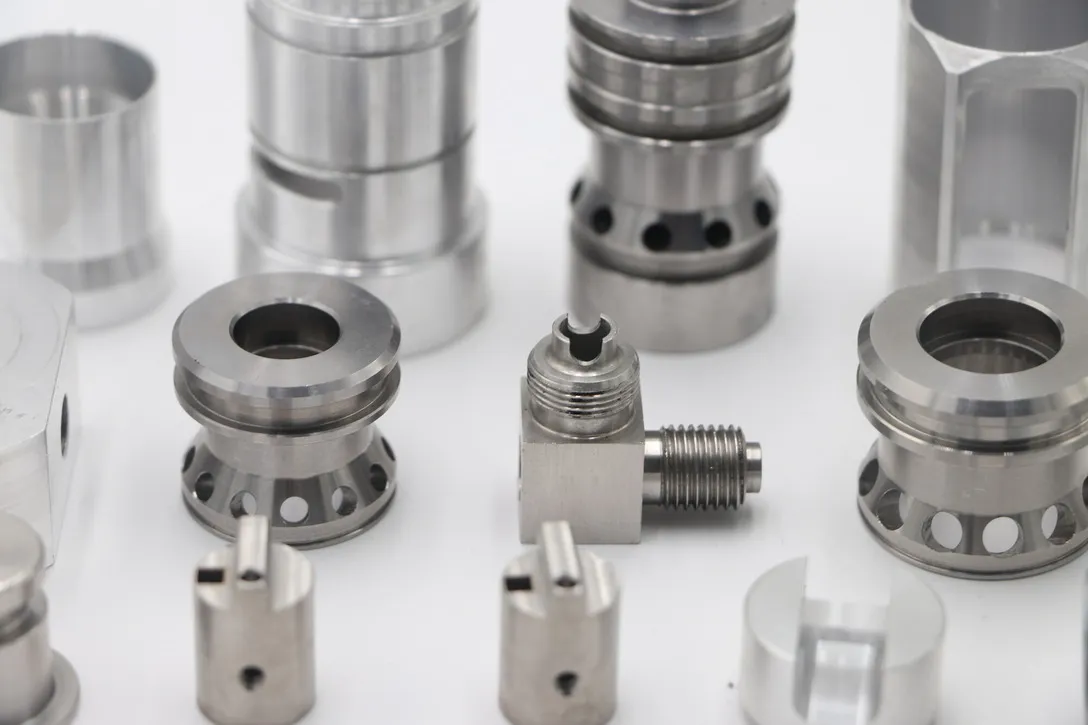
Sleeves, cages, spools and orifice fittings from one flow-control family — the orifice sets the flow, so it cannot be opened up by deburring.
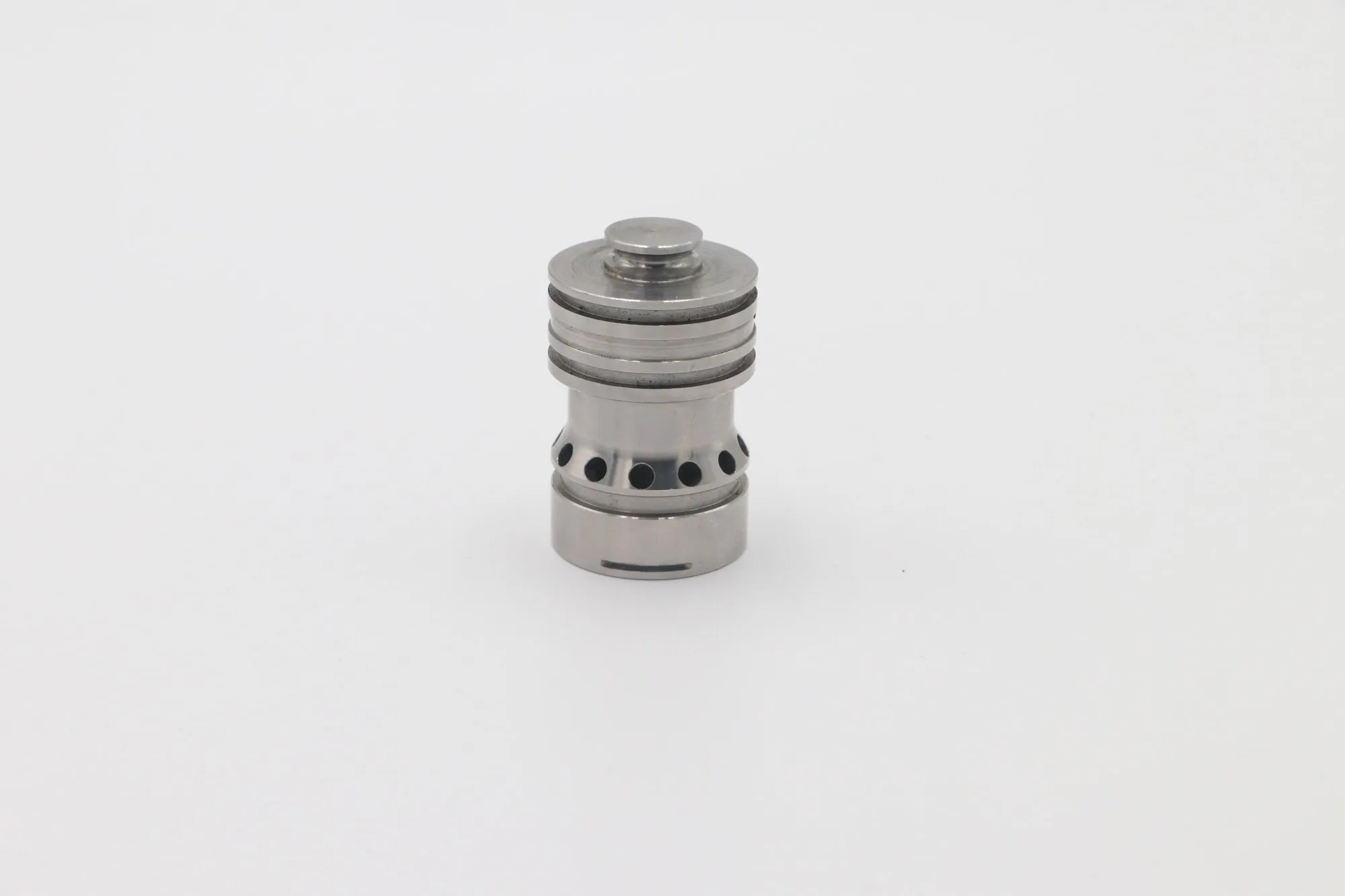
Turned lands and ports on a cartridge that has to slide and seal.
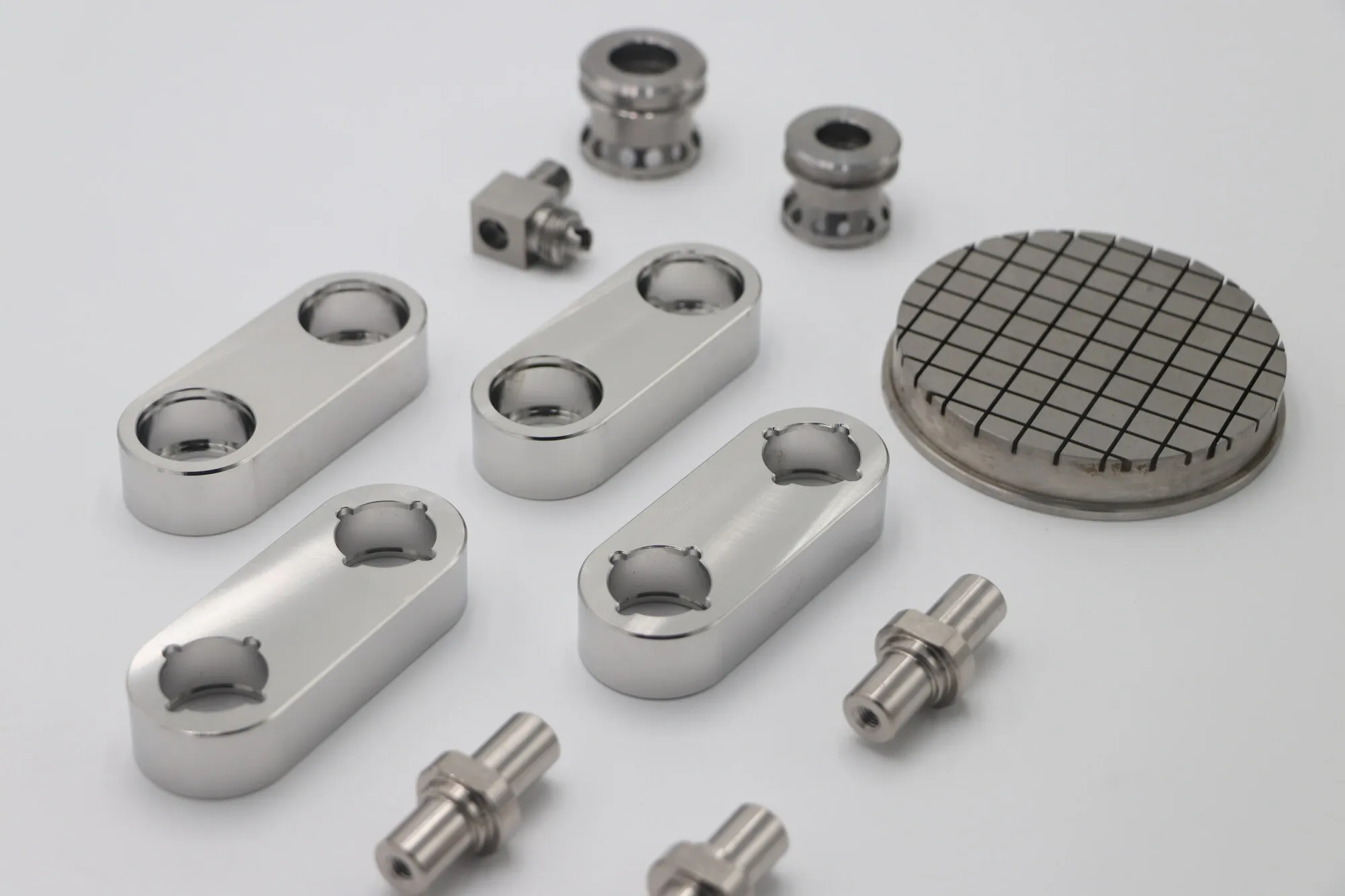
Link blocks, turned fittings and a grooved disc shown together as a mirror-finish component family.
Machined bodies with mesh welded in — a fabrication problem as much as a machining one, because the weld has to seal without blinding the mesh.
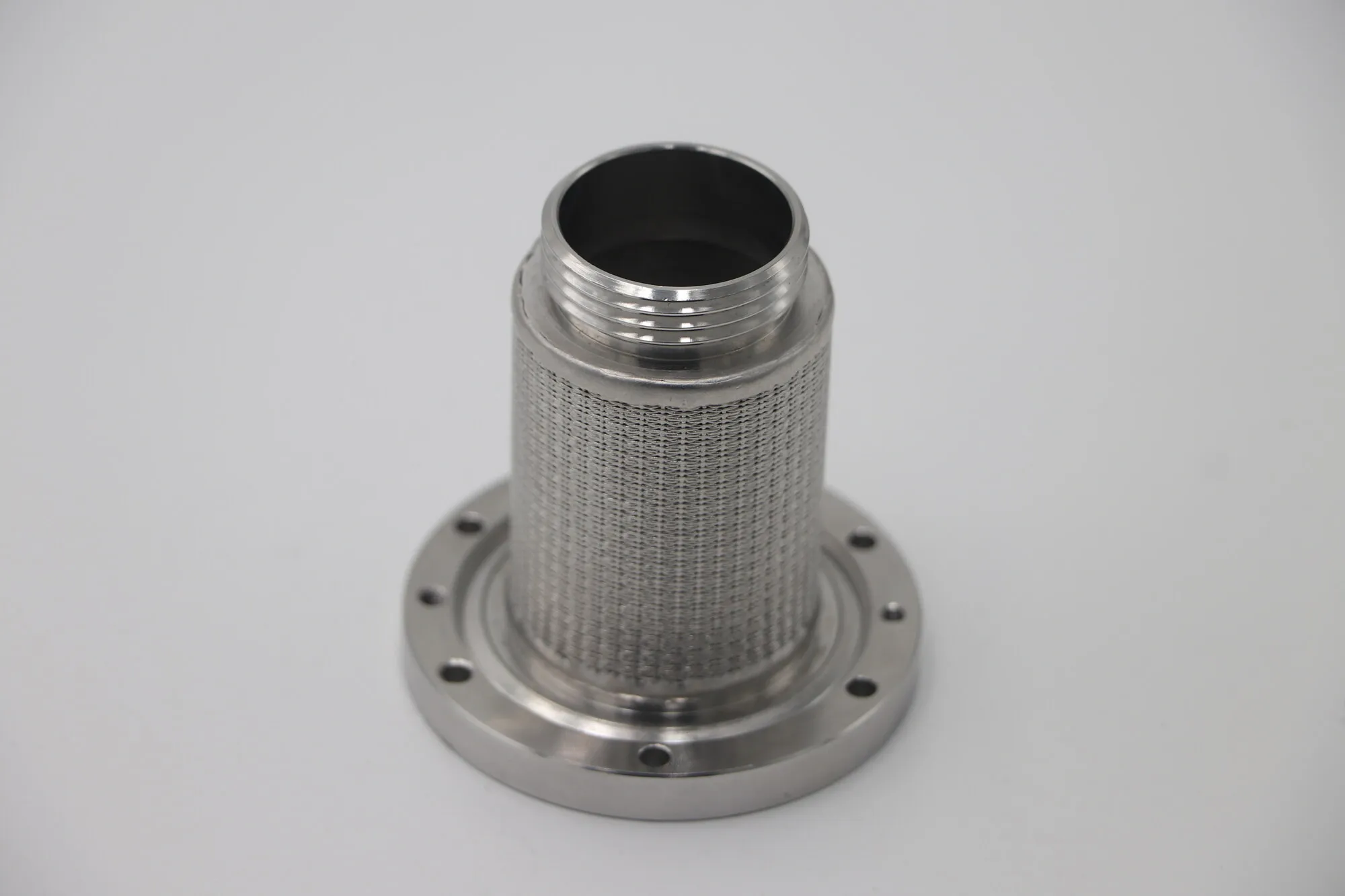
Mesh cylinder welded to a machined and drilled bolt flange.
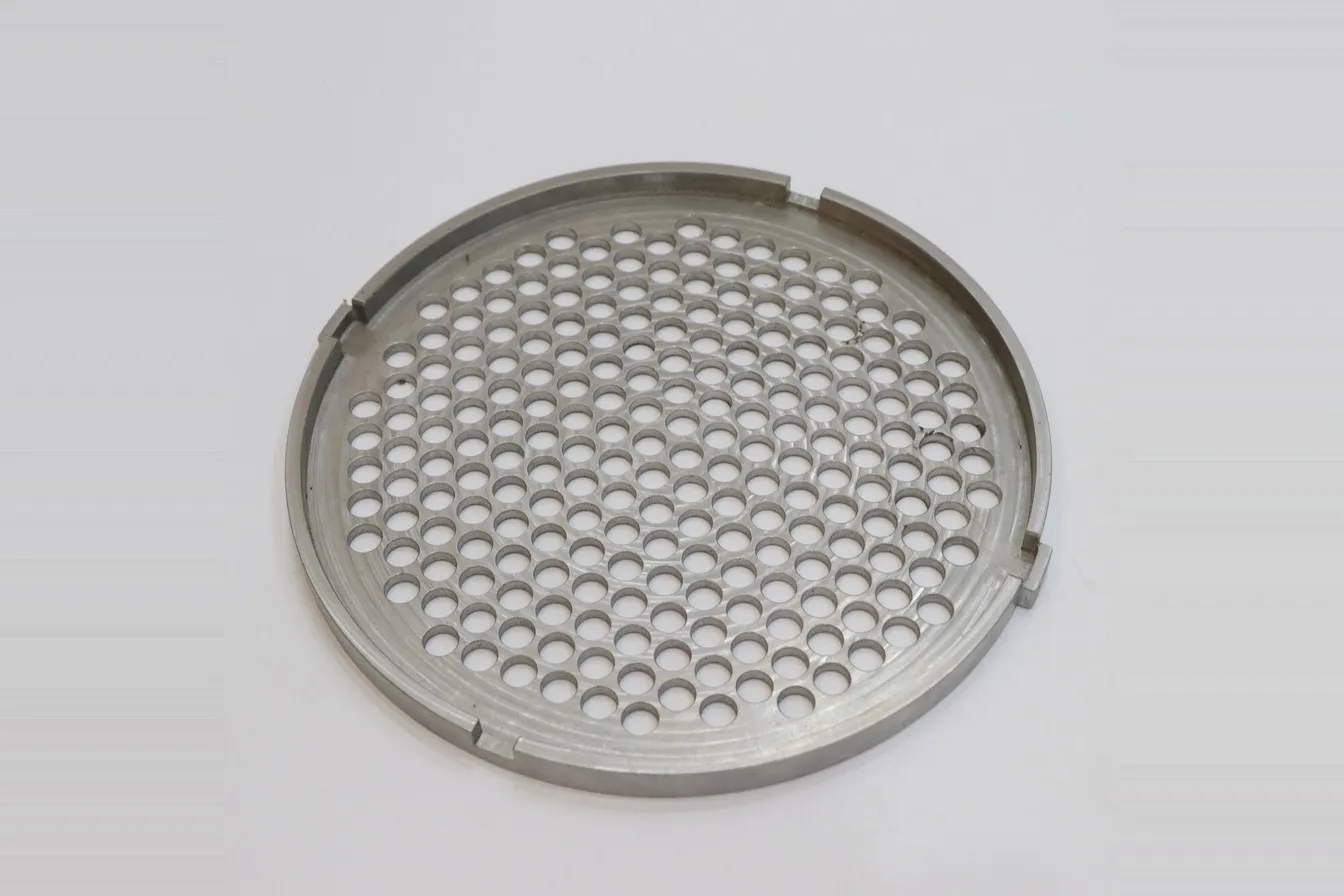
Hundreds of drilled holes, deburred both sides so nothing sheds.
Where sealing happens on a face rather than in a bore. Flatness and surface finish across the gasket path are the specification.
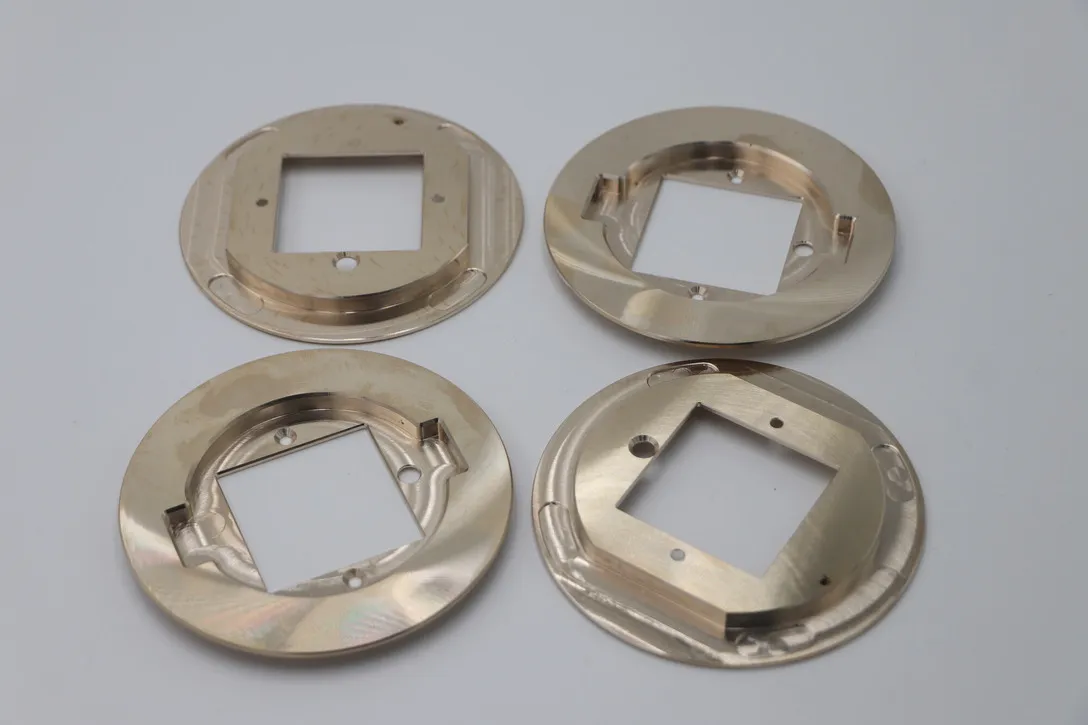
Turned rings with milled square apertures and arc pockets, as a matched set — aperture position repeats across the batch.
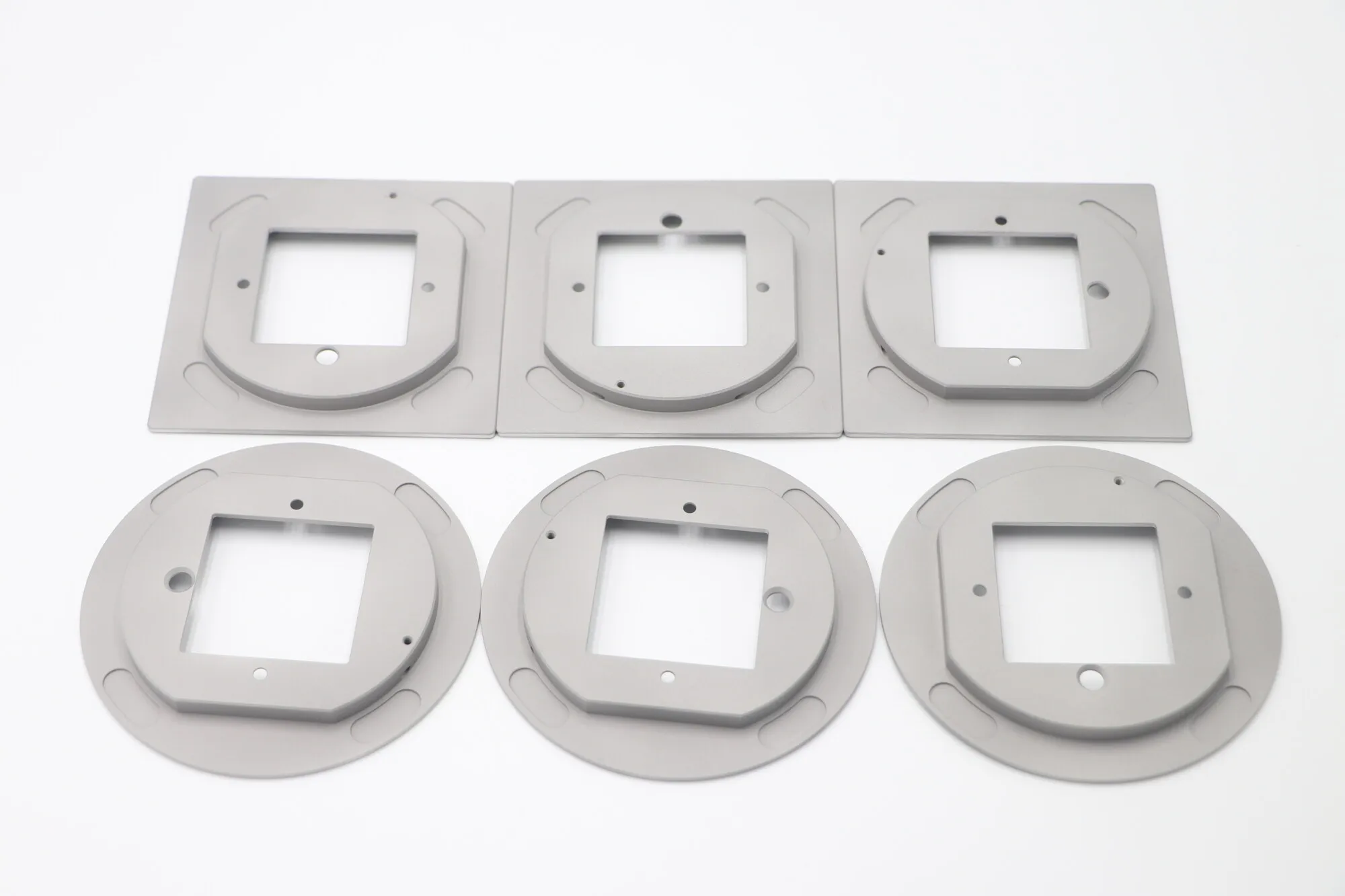
A family of plates and rings from one tooling set, run in two materials for different service conditions.
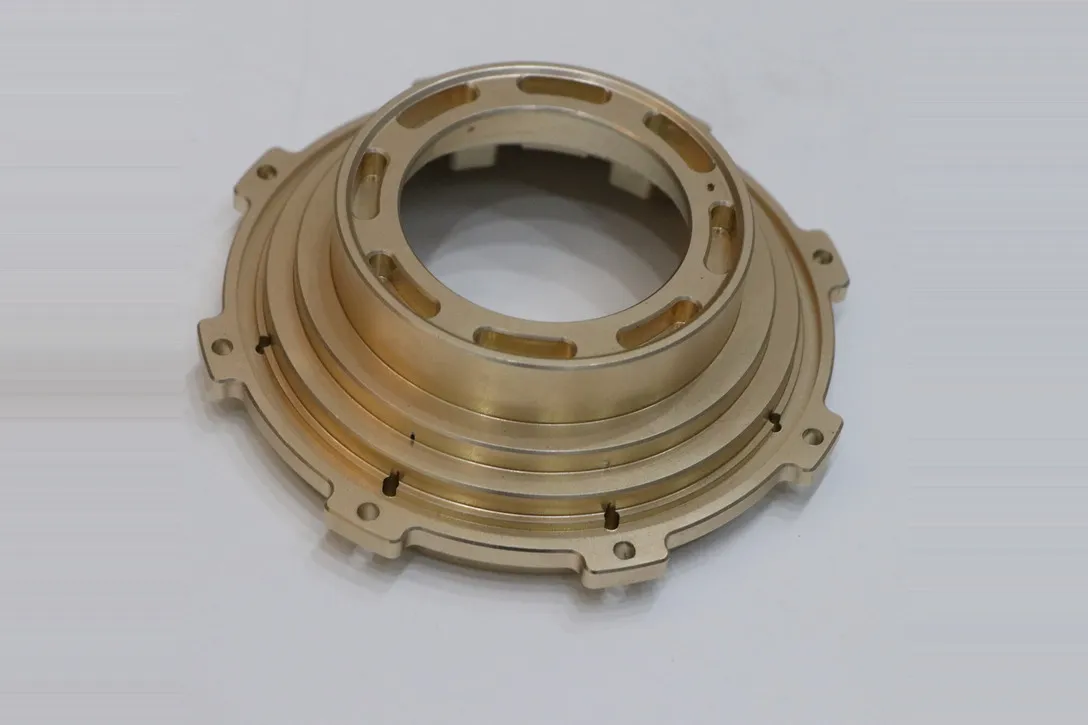
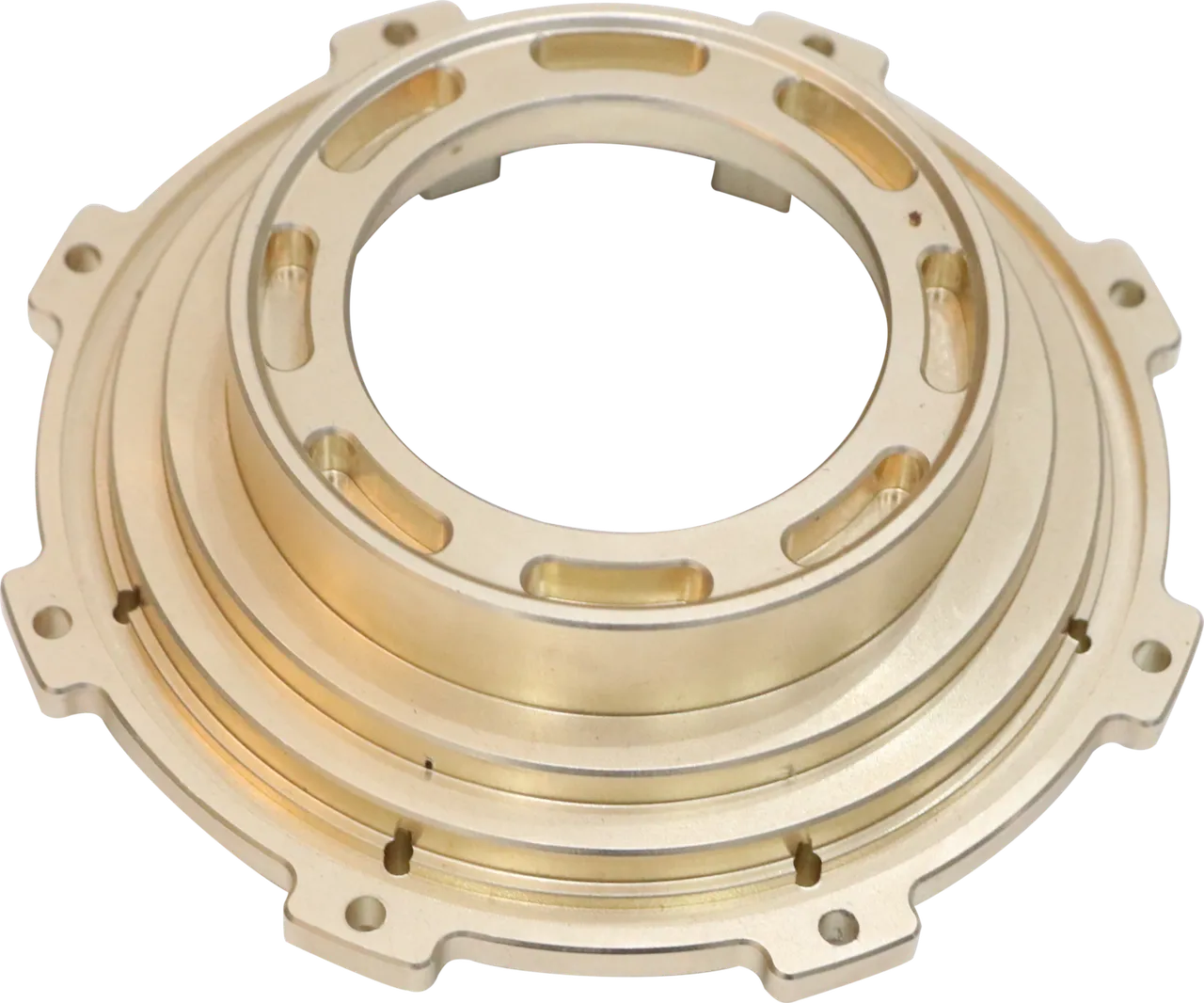
Concentric stepped lands and relief slots, turned in one setup off a single reference so they stay true.
Sealing and metering features get the tolerance; the rest of the part rarely needs it.
±0.01 mm on sliding and sealing diameters, with the lands turned in the same setup as the bore they reference.
Ports deburred inside the bore without rounding the adjacent land. Tell us the edge condition you need — 'deburred' is not a specification.
Ra 0.8 µm or better on gasket and O-ring faces, with flatness held across the seal path rather than the whole face.
Washing, drying and packing to suit the service. Instrument and gas-system parts are handled differently from general hydraulics.
We do not pressure-test or certify parts to a pressure rating. If your component needs proof or leak testing, or material certification to a standard, tell us at enquiry so we can agree what is supplied with the parts and what you will verify.
Mechanically, from inside the bore, and without rounding over the land next to the port. That land is frequently the surface a seal runs against, so an aggressive deburr that leaves a clean-looking edge can still ruin the part. It is worth being explicit on the drawing: state the edge condition or radius you need, because 'deburred' is interpreted very differently by different suppliers and it is the single most common cause of a spool that will not seal.
Yes, but flag it as a functional dimension rather than just a diameter. A metering orifice is one of the few features where deburring and edge break directly change the part's function — open the edge up and the flow changes even though the bore still measures correctly. Tell us it is a flow-critical feature and we will control the edge as well as the diameter, and discuss whether flow testing on samples makes sense.
No — we machine to your drawing and can hold the sealing geometry a rating depends on, but we do not run proof or leak testing and cannot issue a pressure certification. If your part needs it, tell us at enquiry so we can agree who does it and what documentation ships with the parts. We can supply material certification where the material is bought to a standard that provides it.
Brass machines freely, seals well and suits general fluid hardware, which is why so much of it is brass. 303 stainless machines better than 304; 316 costs more and is the choice where corrosion resistance matters, including most marine and chemical service. Aluminum is for weight and cost where the fluid and pressure allow it. If you tell us the medium, temperature and pressure we will comment on the choice rather than just quoting what you ask for.
We can wash, dry and pack to suit the service, and we handle instrument and gas-system parts differently from general hydraulics. What we cannot do is certify to a formal cleanliness class with particle counts. If your application needs that, say so at enquiry: it affects handling, packaging and cost throughout, and it is much cheaper to plan for than to add afterwards.
Yes — the filter cartridges above are machined flanges with mesh welded in. The constraint is that the weld has to seal at the joint without blinding the mesh next to it or distorting the flange it is welded to, so the sequence and heat input matter. Tell us the mesh specification and the open area you need to preserve, and whether the flange face has to stay flat after welding, because that usually decides the approach.
Send your drawing or STEP file with the material, quantity, which features are sealing or metering, the required edge conditions, and any cleanliness or testing requirements.
Get a Quote