



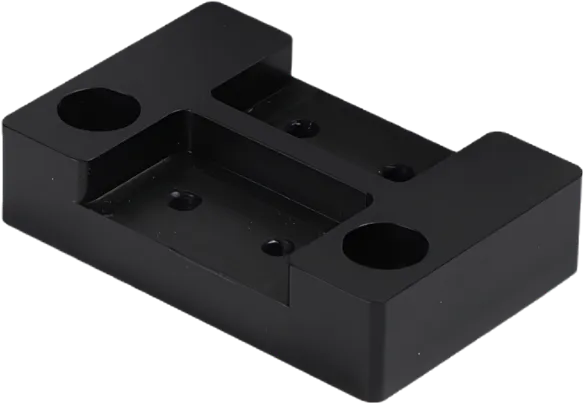
POM
Low friction, high stiffness, and good dimensional stability depending on part design and operating conditions.
Explore commonly used metals and engineering plastics for precision CNC machining. Each material has unique properties, machining considerations, and surface finishing options. Click on any material below to view detailed specifications and guidance for your project.
Get a Quote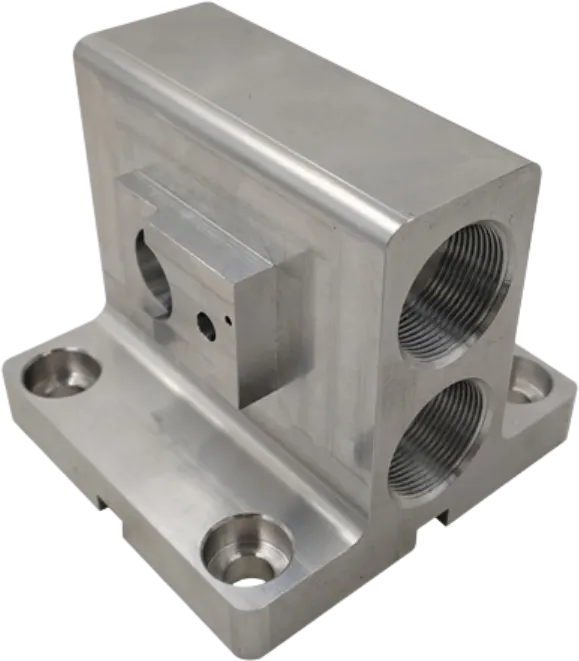
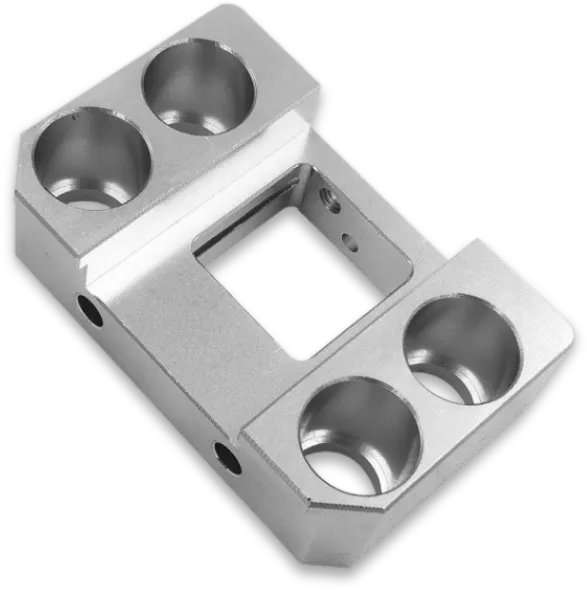
Lightweight material commonly selected for machinability and structural applications.
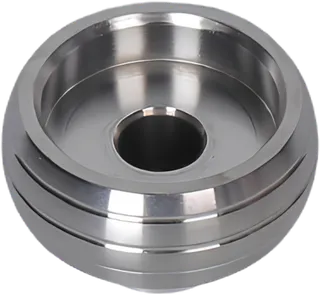
Corrosion-resistant, durable, clean finish.
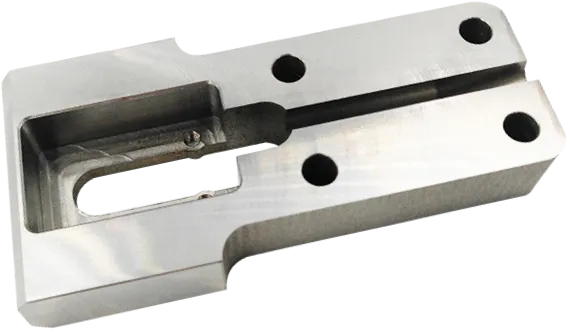
Commonly selected for strength, durability, and cost-sensitive mechanical components.
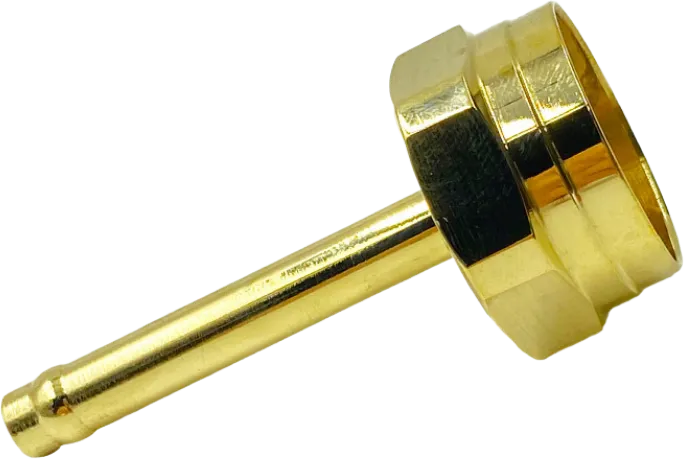
Electrical and thermal efficiency, with good machinability in suitable brass grades.
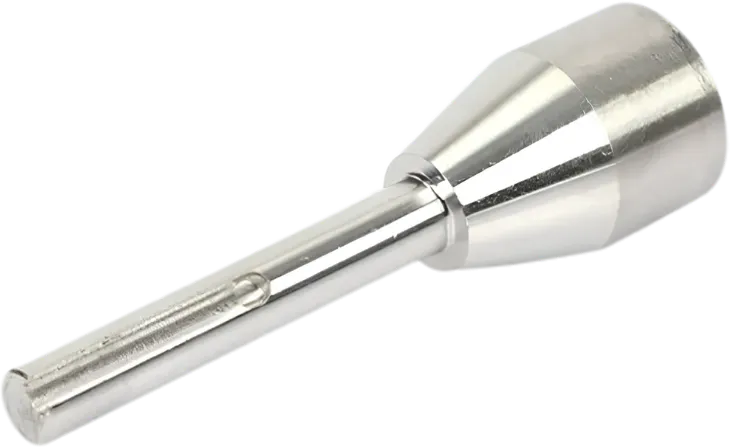
High strength-to-weight material for demanding engineering requirements.
depending on alloy
depending on grade
depending on grade
depending on grade
due to adhesion
depending on grade
strength-to-weight potential, depending on grade
This matrix provides general material selection guidance only. Specific machining behavior should be reviewed according to material grade, part geometry, tolerance requirements, surface finish, and production requirements.
Aluminum and brass require relatively low cutting force, enabling efficient CNC machining.
Stainless steel and titanium require significantly higher cutting force due to material strength and heat resistance.
Copper exhibits low cutting force but introduces adhesion-related machining challenges.
Aluminum typically produces long or semi-continuous chips depending on alloy composition.
Stainless steel generates irregular chips due to work-hardening behavior.
Brass generally provides stable chip-breaking characteristics compared with many other commonly machined metals.
Copper produces continuous chips with high adhesion risk.
Titanium forms segmented chips with high tool stress concentration.
Titanium and stainless steel generate high tool wear due to heat concentration and abrasion.
Copper causes adhesive wear due to material sticking behavior.
Brass and aluminum maintain low wear and stable tool life under proper conditions.
Aluminum and brass commonly provide good machining stability when part geometry, tooling, and process requirements are properly reviewed.
Stainless steel and titanium require strict process control and rigid tooling setups.
Copper is sensitive to deformation and requires careful fixturing.
Low friction, high stiffness, and good dimensional stability depending on part design and operating conditions.
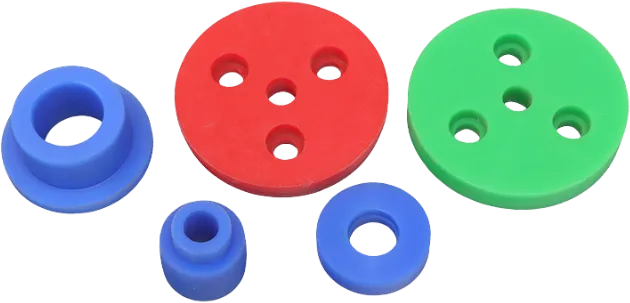
Tough and wear-resistant, with chemical resistance depending on material grade and operating environment.
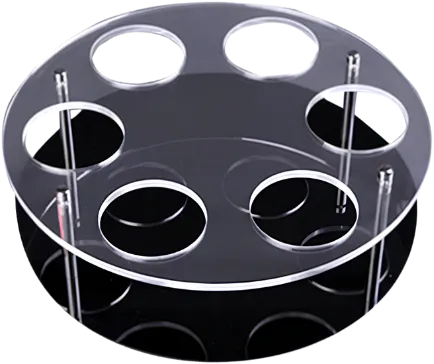
High impact resistance, rigidity, and transparency, with dimensional stability reviewed according to geometry and operating conditions.
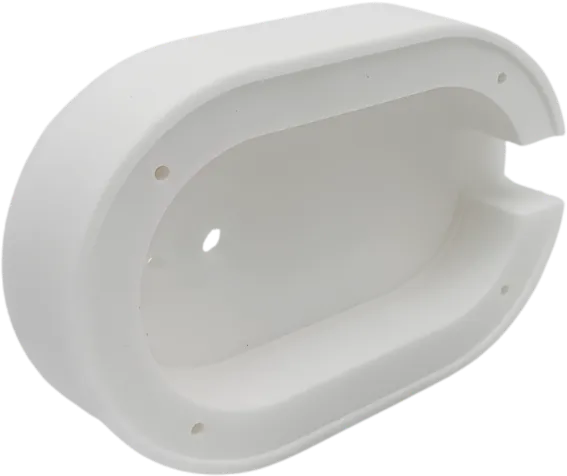
Excellent chemical resistance and a low-friction surface, with suitability reviewed according to part geometry and application requirements.
Not sure which material may be suitable for your project? The following guide provides a general starting point for material selection.
Choosing the appropriate material involves balancing performance requirements, manufacturing considerations, and project budget.
Material selection should be evaluated together with machining strategy and finishing requirements to help achieve the desired performance and appearance of the final component.
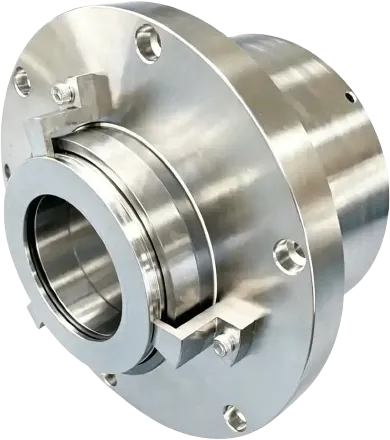
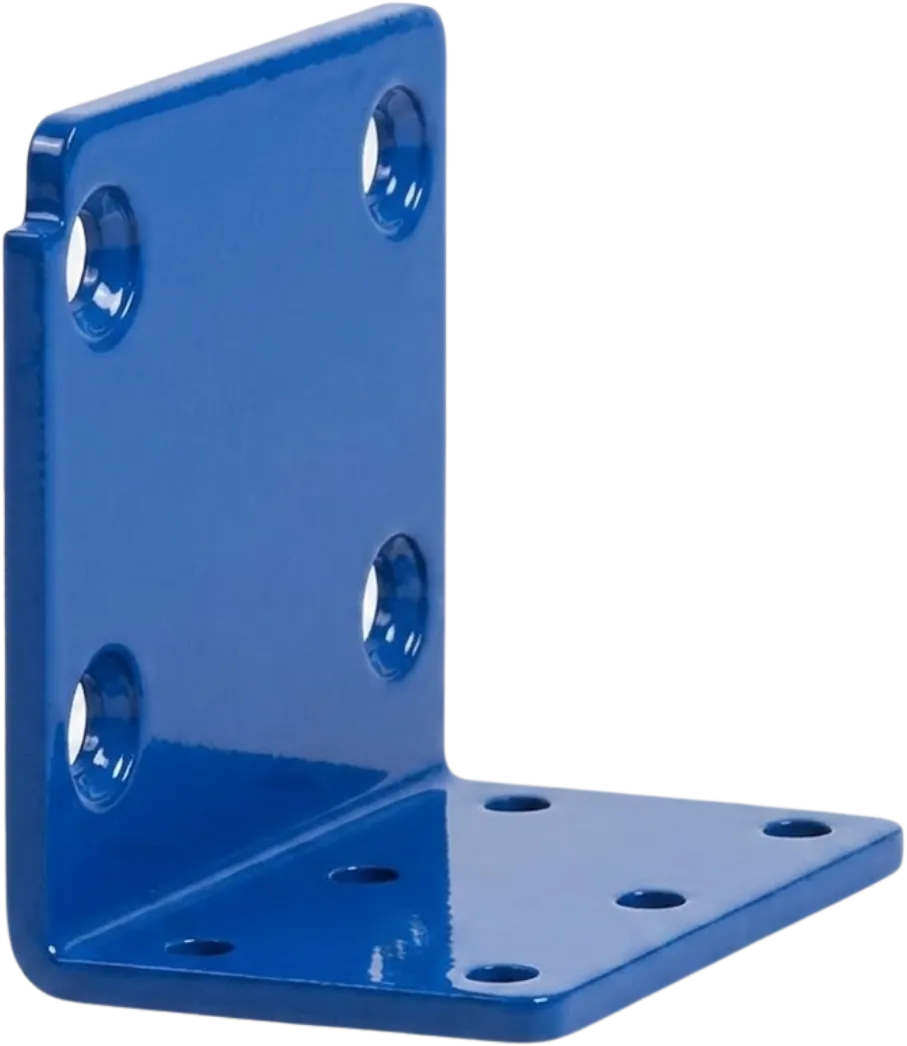
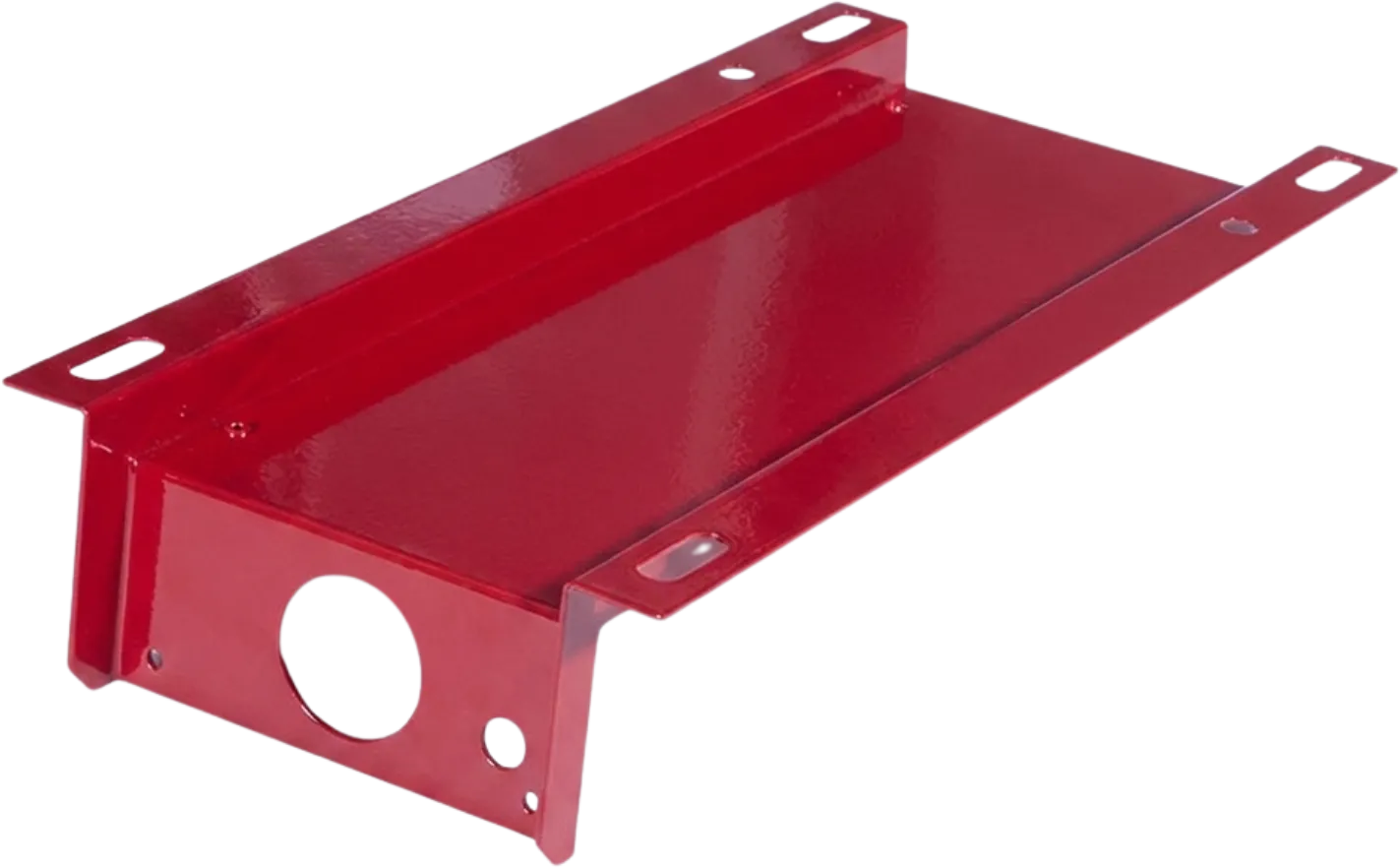
Many CNC machined components benefit from additional finishing processes that improve appearance, corrosion resistance, wear performance, or surface cleanliness.
Common finishing options include:
Selecting a material and surface finish together during the design stage can help avoid manufacturing challenges and support desired functional requirements.
View Surface Finishing Options →