Surface Finishing for Precision Metal Parts
Surface finishing support for precision machined and fabricated metal components, with finish selection reviewed by material, geometry, tolerance, appearance, and application requirements.
- 1
Complementary to our CNC machining & sheet metal fabrication
- 2
Supports prototype and production-stage requirements depending on finish type, quantity, material, and project review.
- 3
Applicable to aluminum, steel, and stainless steel finishes
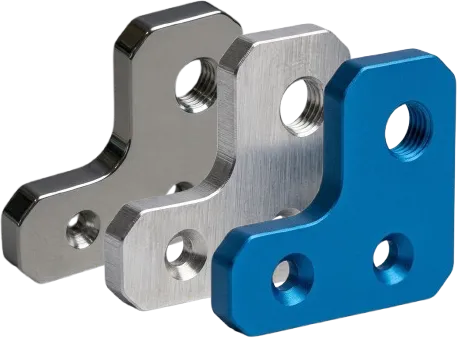
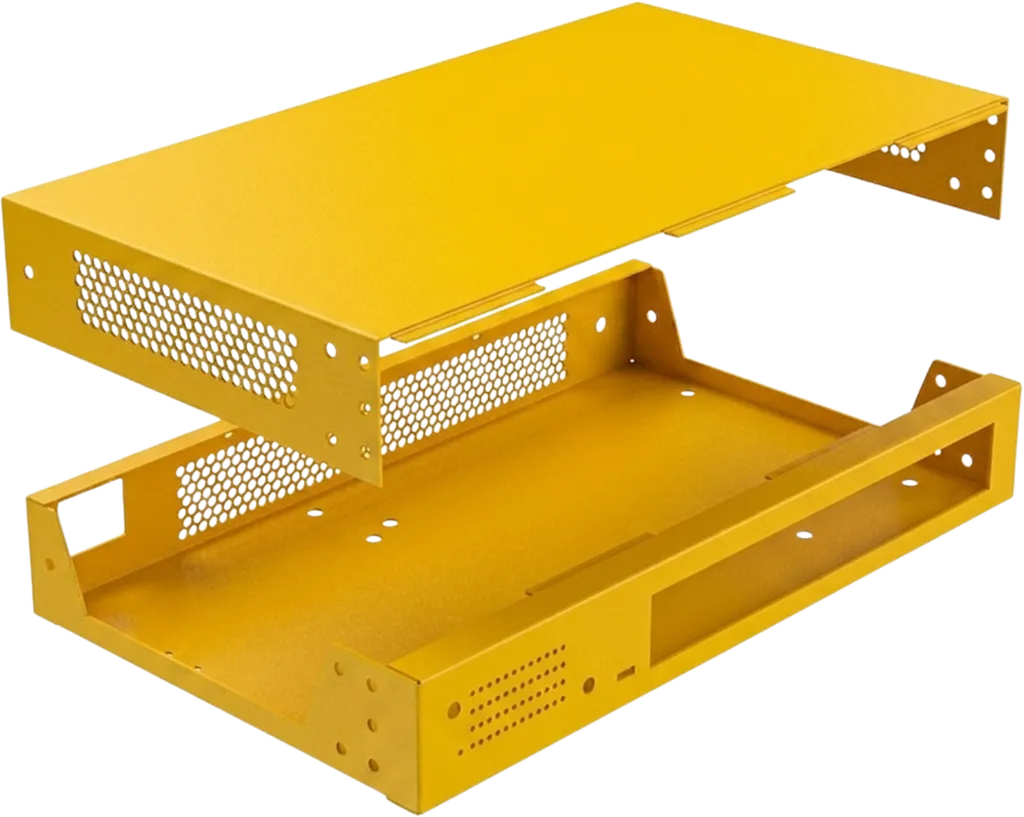
Why Surface Finishing Matters
Surface finishes can help improve corrosion protection, wear behavior, conductivity, or appearance, depending on material, finish type, geometry, and service environment. Choosing the right finish helps reduce finishing-related risks and better align parts with their intended application environment.
Our Core Surface Finishing Capabilities
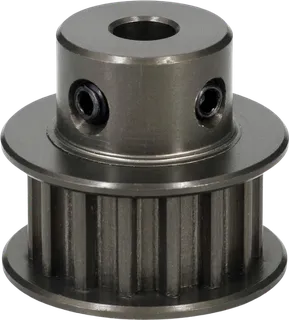
Type III Hardcoat Anodizing
A thick oxide layer on aluminum that can improve wear and abrasion resistance compared with untreated aluminum.
 Learn more >>
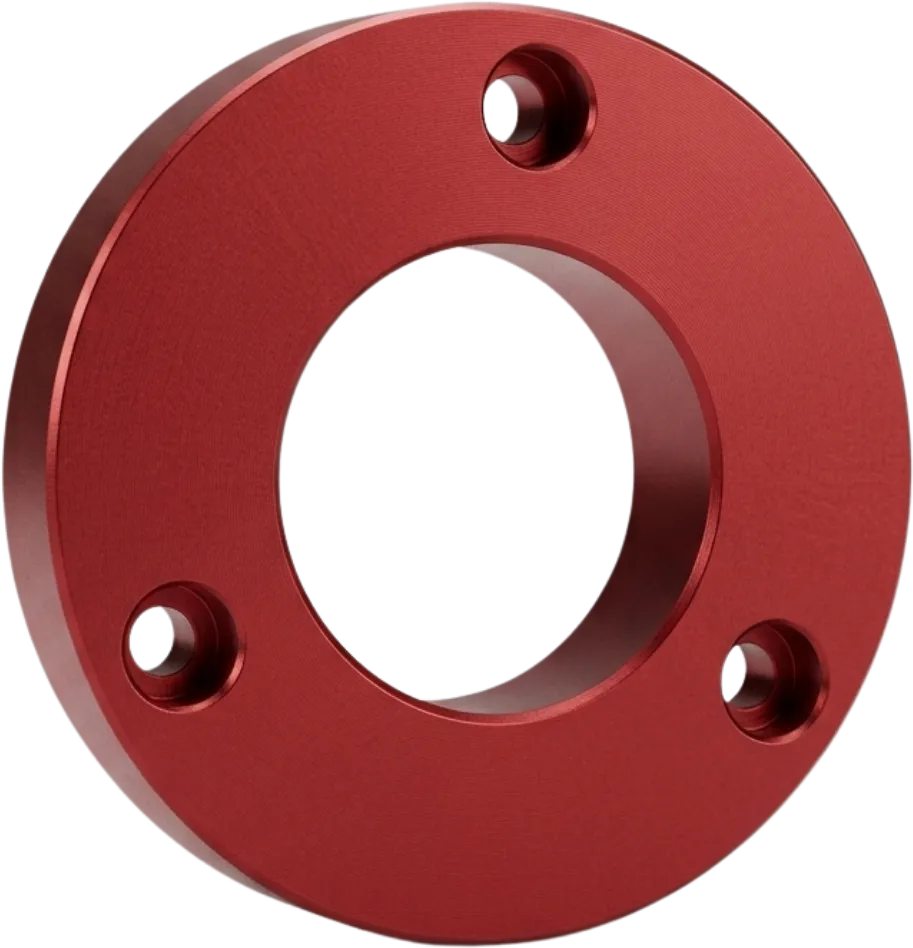
Type II Color Anodizing
Porous anodizing for aluminum with clear or selected dyed color options. Appearance depends on alloy, surface preparation, coating requirements, and process conditions. MIL-PRF-8625 Type II requirements are subject to project-specific review.
 Learn more >>
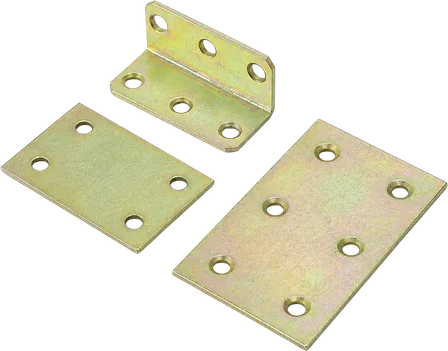
Chromate Conversion
A thin chemical conversion coating for aluminum that can support corrosion protection and, when Class 3 is specified, relatively low electrical contact resistance. MIL-DTL-5541 requirements are subject to project-specific review.
 Learn more >>
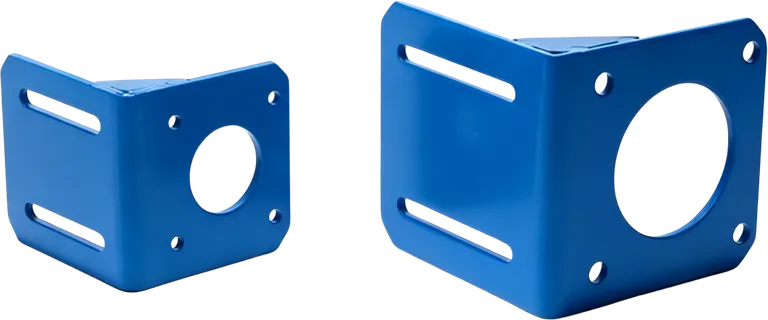
Powder Coating
A thicker organic coating option used for cosmetic appearance and surface protection, with color and texture options depending on project requirements.
 Learn more >>
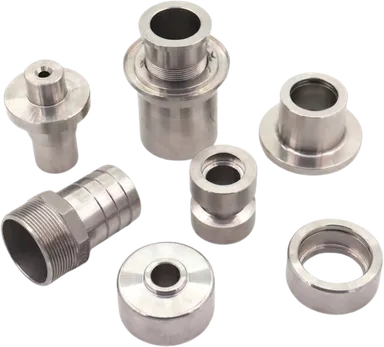
Passivation
Helps remove free iron contamination and supports the formation of the stainless steel’s passive surface, which can improve corrosion resistance when the material and process are suitable.
 Learn more >>
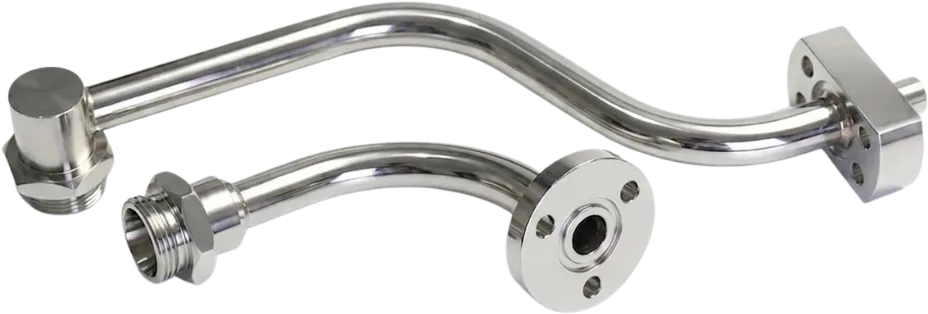
Electropolishing
Can improve surface smoothness, appearance, and corrosion resistance; burr-related requirements should be reviewed based on part geometry and specification.
 Learn more >>
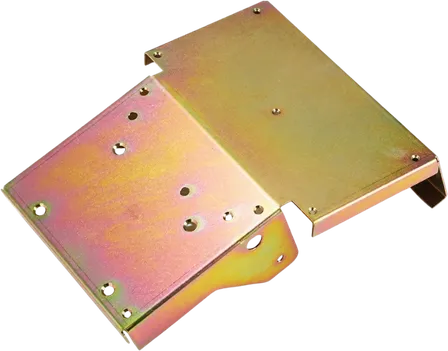
Zinc Plating
Electroplated zinc provides cost-effective corrosion protection for suitable iron and steel components. Coating thickness, finish appearance, and hydrogen-embrittlement controls are reviewed against material strength and project requirements.
 Learn more >>
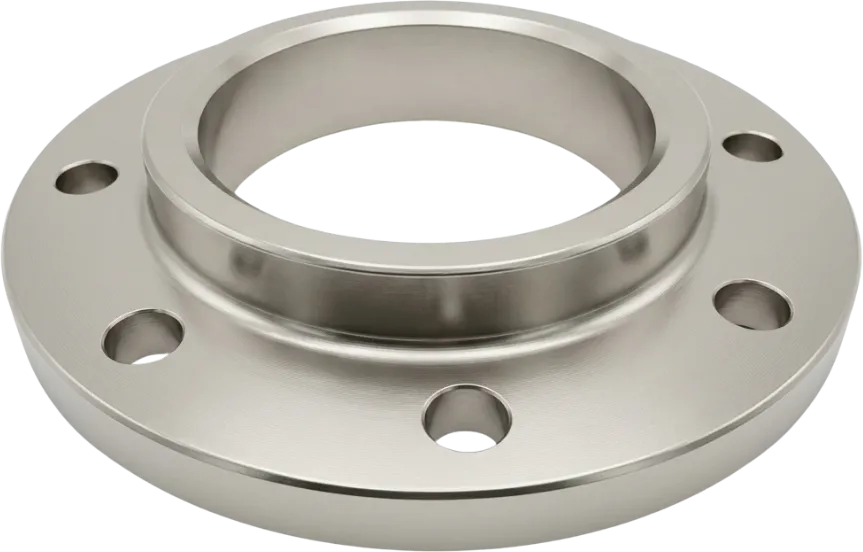
Electroless Nickel Plating
Nickel-phosphorus coating that can provide relatively even coverage on suitable complex geometries, with wear and corrosion performance depending on specification, material, and operating environment.
 Learn more >>
Surface Finishing Selection Guide
| Finish | Typical Benefit | Common Materials |
|---|---|---|
| Type II Anodizing | Corrosion protection with optional decorative appearance | Aluminum |
| Hardcoat Anodizing | Wear resistance and surface durability | Aluminum |
| Chromate Conversion | Corrosion protection; Class 3 may be specified where low electrical contact resistance is required | Aluminum |
| Powder Coating | Durable protection and cosmetic appearance | Steel, Aluminum |
| Passivation | Enhanced corrosion resistance | Stainless Steel |
| Electropolishing | Smooth surface finish and improved cleanability | Stainless Steel |
| Zinc Plating | Cost-effective corrosion protection | Carbon Steel |
| Electroless Nickel | Relatively even coating coverage, with wear and corrosion performance depending on coating specification and service conditions | Aluminum, Steel |
*If a specific finish is not listed, our team can review the material, geometry, tolerance, appearance, and application requirements to help identify suitable manufacturing and finishing options.
What to Expect
Many finishing processes add measurable thickness, so coating allowance should be reviewed during design and manufacturing planning.
Masking for threaded, conductive, mating, or critical features may be reviewed based on part geometry and functional requirements.
Finishing should be coordinated with machining, sheet metal fabrication, and assembly requirements where applicable.
Lead times may vary by finish type, batch size, specification requirements, and project complexity.




Information to Provide Before Finishing
Material and alloy; drawing revision; required finish; applicable specification, type, or class; coating thickness or material-removal allowance; color, gloss, texture, or cosmetic requirements; masking and no-finish areas; critical dimensions, threads, mating, sealing, or grounding surfaces; service environment; and required inspection documents.
Inspection Planning
Inspection requirements should identify the pre-finish surface condition and critical dimensions, together with the post-finish appearance, masking, dimensions, coating or material-removal requirements, and any customer-specified tests or documentation.
Frequently Asked Questions
Will finishing affect tolerance?
Yes. Many finishes can affect dimensions, so tolerance allowances should be reviewed before production.
Can you finish precision machined parts?
Yes. Surface finishing requirements should be reviewed during quotation and production planning, especially for tight-tolerance or cosmetic parts.
Can masking be applied to threaded areas?
Selective masking may be reviewed for threaded areas, conductive surfaces, mating faces, or other critical features.
Need Precision Components With Surface Finishing?
We coordinate finish selection, critical-feature review, masking, inspection planning, and production logistics with CNC machining and sheet metal fabrication.
Get a Quote