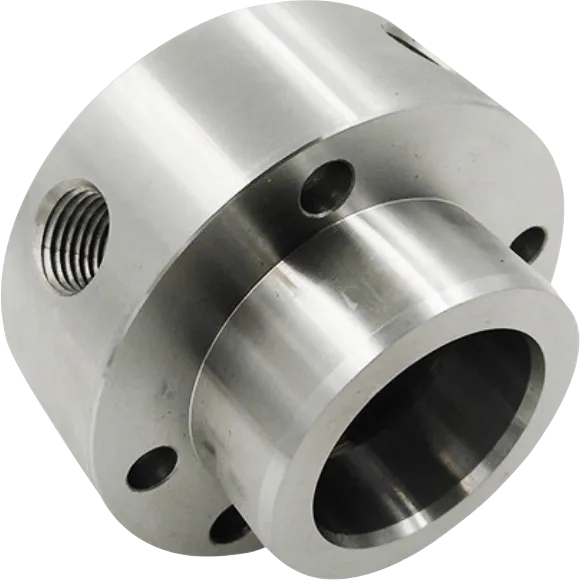
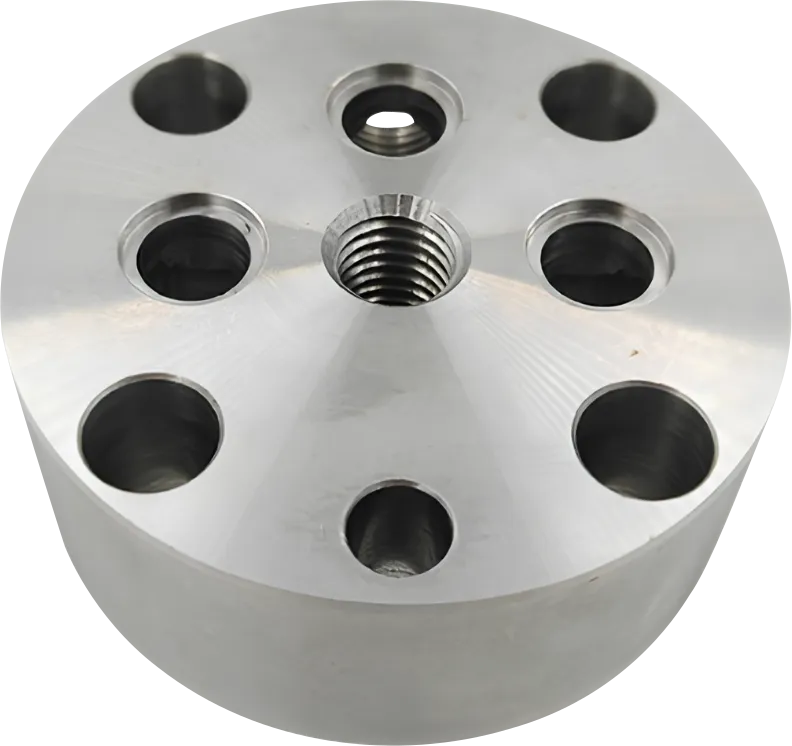
Carbon Steel CNC Machining
Carbon Steel CNC Machining for Strong and Cost-Effective Parts
CNC machining services for carbon steel components used in structural, mechanical, and industrial applications.
Carbon steel is widely used for parts that require high strength and cost efficiency, especially in general engineering and load-bearing structures.
Get a QuoteWhy Choose Carbon Steel
Carbon steel is a practical material choice for engineering and industrial buyers who need a balance between performance and cost.
Cost-Efficient
Cost-efficient for many general mechanical component projects depending on quantity and requirements.
Strength & Durability
Suitable for load-bearing and structural components.
Widely Available
Widely available in standard machining grades.
Dimensional Stability
Good dimensional stability for CNC milling and turning.
Surface Finish Compatibility
Compatible with multiple protective finishing options.





Carbon steel is typically selected when mechanical strength is more important than corrosion resistance, especially in controlled or coated environments.
Common Carbon Steel Grades
1018 Carbon Steel
A general-purpose low-carbon steel widely used for shafts, pins, and simple mechanical components. Known for stable machinability and consistent surface finish after machining.
1045 Carbon Steel
A medium-carbon grade commonly used for higher-strength parts such as gears, axles, and industrial shafts. Offers a good balance between strength and machinability.
A36 Carbon Steel
Often used for structural components and brackets. Suitable for machined parts where form and structural integrity are more important than precision mechanical performance.
4140 Alloy Steel
A high-strength, heat-treatable carbon steel alloy used for demanding mechanical parts such as heavy-duty shafts, tooling components, and stressed mechanical assemblies.
Carbon Steel Grade Comparison
| Grade | Machinability | Strength | Corrosion Behavior |
|---|---|---|---|
| 1018 | High | Low–Medium | Requires coating |
| 1045 | Medium | Medium–High | Requires coating |
| A36 | Medium | Medium | Requires coating |
| 4140 | Medium-Low | High | Requires coating |
Carbon steel grades are generally selected based on strength requirements and post-machining surface protection strategy.
Surface Protection Considerations
Unlike stainless steel, most carbon steel grades require additional surface protection to reduce corrosion risk during service.
The finishing options below are commonly used to support corrosion protection, surface durability, and application-specific performance needs for CNC machined carbon steel components.
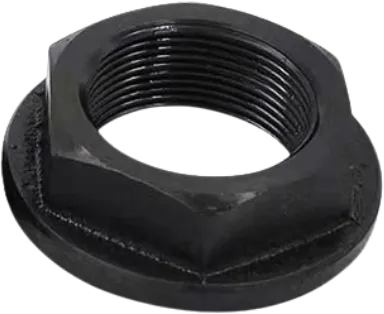
Compatible Surface Finishes
Surface finish selection for carbon steel is typically determined by corrosion exposure level, mechanical requirements, and expected service environment. Surface protection is typically required depending on service environment and corrosion exposure.
| Finish Type | Primary Purpose | Typical Use Context |
|---|---|---|
| Zinc Plating → | Basic corrosion protection | Fasteners, brackets, general mechanical parts |
| Powder Coating → | Durable protective barrier | Equipment housings, structural parts |
| Electroless Nickel (Optional) → | Wear + corrosion improvement | Precision mechanical components |
| Black Oxide | Appearance and light protection | Tooling, machine components, assemblies |
| Industrial Painting | Environmental protection | Frames, welded structures, supports |
CNC Machining & Engineering Considerations
When working with carbon steel, several engineering and production factors should be considered:
Machining Behavior
Higher tool wear than aluminum may occur depending on steel grade, hardness, and material condition.
Medium and high-carbon grades require more rigid machining setups.
Process & Manufacturing Impact
Heat treatment may affect dimensional stability and machining sequence.
Work hardening can influence cutting strategy in some grades.
Production Implications
Higher tooling cost compared to soft metals.
May increase machining cycle time in hardened conditions.
Surface protection is typically required after machining.
Quality & Tolerance Considerations
Tight tolerance requirements should be reviewed based on material grade, part geometry, heat treatment, and post-processing requirements.
Post-processing steps may affect final dimensional accuracy.




Proper process planning is important to help support dimensional accuracy and surface durability.
Typical Carbon Steel Components
Carbon steel is commonly used in:
- Shafts and rotational components
- Structural brackets and mounting systems
- Mechanical supports and frames
- Industrial fixtures and tooling bases
- Machine components under load
These parts are typically used in assemblies where strength and durability are prioritized over corrosion resistance.
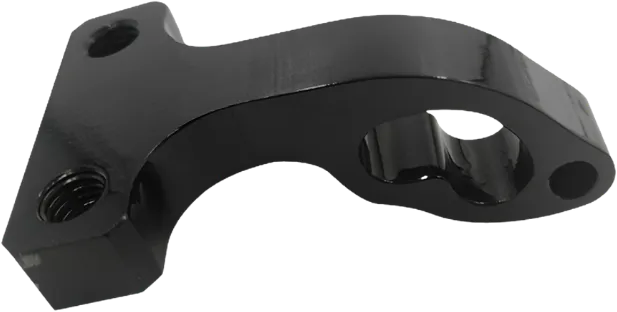
Typical Applications
Carbon steel CNC machined parts are widely used in:
- Industrial equipment assemblies
- Mechanical and structural systems
- Automation machinery components
- Energy-related mechanical systems
- General engineering applications
These applications typically involve controlled environments or protective coatings to help support durability depending on service conditions.

Material Selection Framework
When Carbon Steel Is a Good Choice
- Cost-sensitive mechanical parts
- Structural or load-bearing components
- Parts with protective coating or enclosed environment
When to Avoid Carbon Steel
- High corrosion exposure environments
- Weight-sensitive applications
- Applications requiring long-term bare-metal exposure
Engineering Trade-offs
- Cost efficiency vs corrosion resistance
- Strength vs machinability
- Performance vs finishing dependency
Engineering Support
Carbon steel provides strong mechanical performance and cost efficiency but requires careful consideration of corrosion protection and machining stress control.
Our engineering team can assist with:
Material Selection Guidance
Low, medium, and high carbon grade selection based on strength requirements, hardness, weldability, and structural usage.
Design for Manufacturability (DFM)
Stress concentration control, sharp edge avoidance, deformation risk in thin sections, and fixture stability during machining.
CNC Machining Feasibility
Cutting force management, chip formation behavior, tool wear rate, and machining stability under high-load operations.
Surface Finishing Recommendations
Coating selection (zinc plating, powder coating, black oxide), corrosion protection strategy, and environmental exposure level.
Production Planning Support
Manufacturing cost review for production-stage projects, heat treatment considerations, machining time factors, and post-processing workflow planning.






Our focus is to help review whether carbon steel parts are manufacturable and aligned with real-world application requirements.
Frequently Asked Questions
Is carbon steel easy to machine?
Yes, especially low-carbon grades like 1018. Medium and high-carbon steels require more careful tooling and machining parameters.
Will carbon steel rust after machining?
Yes. Without protective coatings, carbon steel will corrode when exposed to moisture or air.
What surface finishes are recommended?
Zinc plating, powder coating, and black oxide are commonly used depending on application requirements.
How does carbon steel compare to stainless steel?
Carbon steel is often selected for cost-sensitive strength requirements, while stainless steel is commonly considered when corrosion resistance is a higher priority.
Is carbon steel suitable for precision parts?
Yes, but machining strategy and material grade selection are important for maintaining tight tolerances.
Need Carbon Steel CNC Machined Components?
Whether you are evaluating material options, developing prototypes, or preparing for production, our team can help review component requirements and recommend suitable manufacturing solutions.
Get a Quote