Chromate Conversion Coating for Aluminum Machined & Fabricated Parts
Integrated chromate conversion coating services for aluminum CNC machined and sheet metal components requiring corrosion protection and, where specified, relatively low electrical contact resistance.
Get a Quote →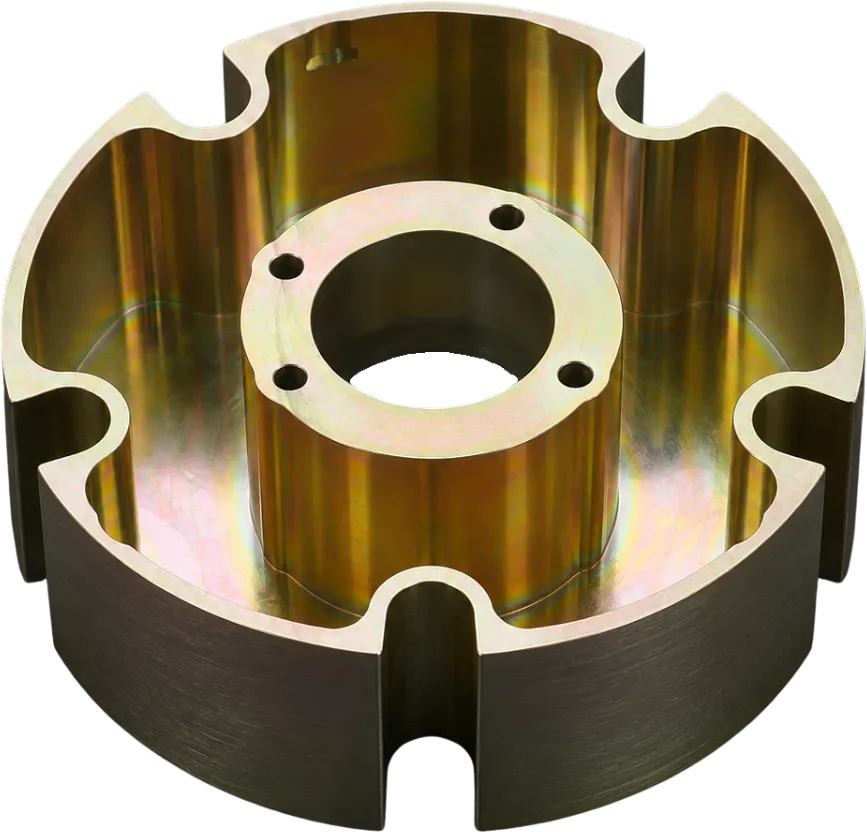
Why Chromate Conversion Coating Is Commonly Used
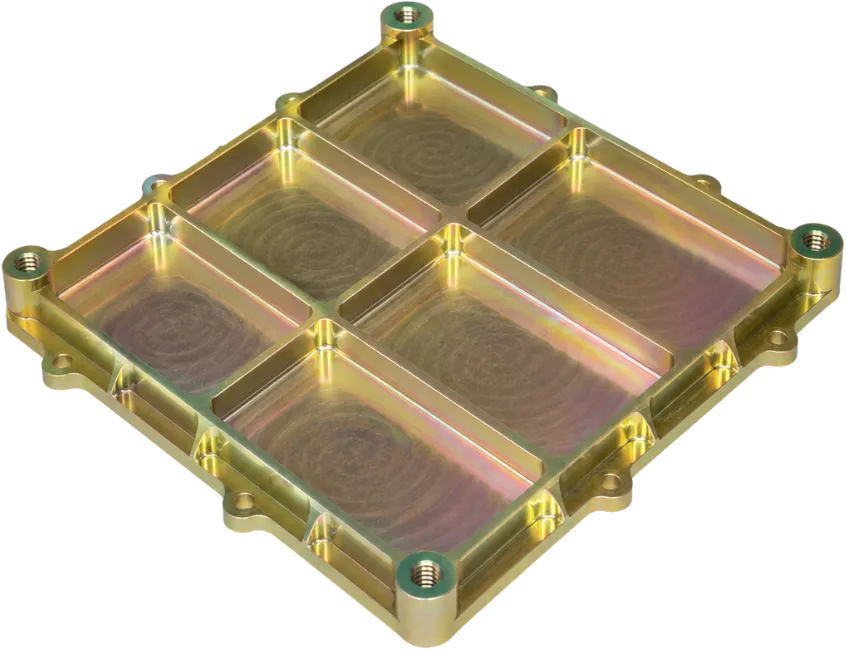
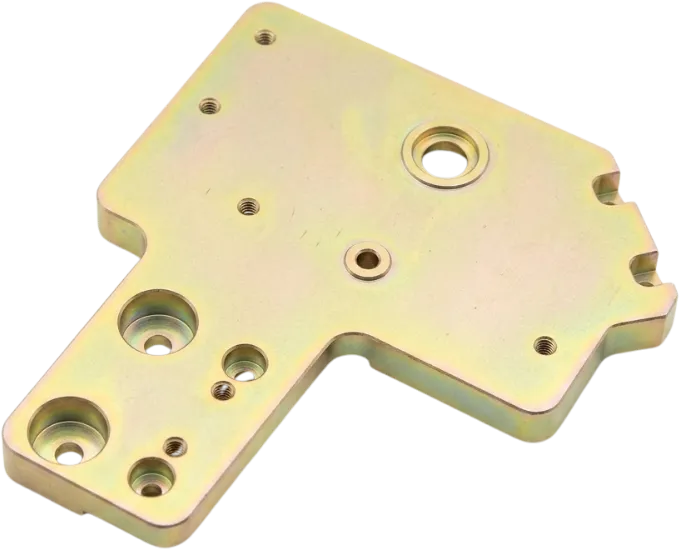
Chromate conversion coating is widely used on aluminum components that require corrosion protection and, for Class 3 applications, relatively low electrical contact resistance. Unlike anodizing, it forms a thin chemical conversion film with generally limited dimensional impact. Electrical requirements, coating class, and acceptance criteria should be specified for the project.
Available Chromate Conversion Options
Class 1A
Commonly selected when corrosion protection is a primary consideration.
Class 3
Commonly selected where relatively low electrical contact resistance is required. Acceptance criteria, test methods, and required resistance values should be defined by the drawing or applicable specification.


*Final coating selection depends on application requirements, material, and customer specifications.
Typical Applications
Electronic Enclosures
Used on aluminum housings and enclosures where corrosion protection and specified electrical contact requirements must be considered together.
Chassis & Frame Assemblies
Applied to fabricated aluminum structures used in industrial and electronic equipment.
Grounding Components
May be considered for brackets, panels, and assemblies where grounding or electrical contact requirements are defined in the drawing and verified using the specified acceptance method.
Precision Machined Parts
Used on CNC machined aluminum components where protective surface treatment is needed and dimensional impact should remain limited compared with many thicker coating systems.
How Chromate Conversion Coating Fits Into Our Manufacturing Workflow
For machined and fabricated aluminum parts, surface finishing requirements are reviewed together with geometry, assembly requirements, and functional considerations before production.
Our workflow may include:
Material and alloy review
Surface preparation planning
Identification of critical assembly surfaces
Electrical contact areas and resistance requirement review
Coordination between machining, fabrication, and finishing operations






*This helps improve coating consistency and dimensional predictability.
Manufacturing & Finishing Considerations
- 1
Surface Appearance
Appearance may vary depending on alloy composition, coating class, and processing conditions.
- 2
Dimensional Impact
Chromate conversion coatings are typically very thin and generally have minimal dimensional impact compared with thicker coating systems.
- 3
Material Compatibility
This process is commonly applied to aluminum and aluminum alloy components.
- 4
Assembly Requirements
Certain contact surfaces, grounding locations, or assembly-critical areas may require review during production planning.
What to Expect From Chromate Conversion Coating
- Corrosion protection for aluminum components
- Relatively low electrical contact resistance where Class 3 is specified and applicable requirements are verified
- Minimal dimensional impact
- Suitable for machined and fabricated parts
- Compatible with prototype and production manufacturing workflows
*Surface appearance and final performance may vary depending on alloy, geometry, specification requirements, and operating environment.
Frequently Asked Questions
What is the difference between chromate conversion coating and anodizing?
Chromate conversion coating can provide corrosion protection while supporting relatively low electrical contact resistance where Class 3 is specified. Anodizing creates a thicker oxide layer and is generally selected when additional wear resistance or electrical insulation is required.
Does chromate conversion coating affect dimensions?
The coating is typically very thin and generally has minimal dimensional impact compared with many other surface finishing processes.
Can chromate conversion coating be applied to CNC machined parts?
Yes. It is commonly used on CNC machined aluminum components as well as fabricated sheet metal parts.
Which areas may require masking?
Masking requirements depend on part geometry, assembly requirements, conductive areas, and customer specifications.

Process recommendations may vary based on part design, material grade, and end-use requirementsContact our engineering team for application-specific guidance.
Need Aluminum Components With Chromate Conversion Coating?
Our team integrates chromate conversion coating with aluminum machining and sheet metal fabrication, including alloy review, coating class, electrical contact areas, critical dimensions, and inspection requirements.
Get a Quote