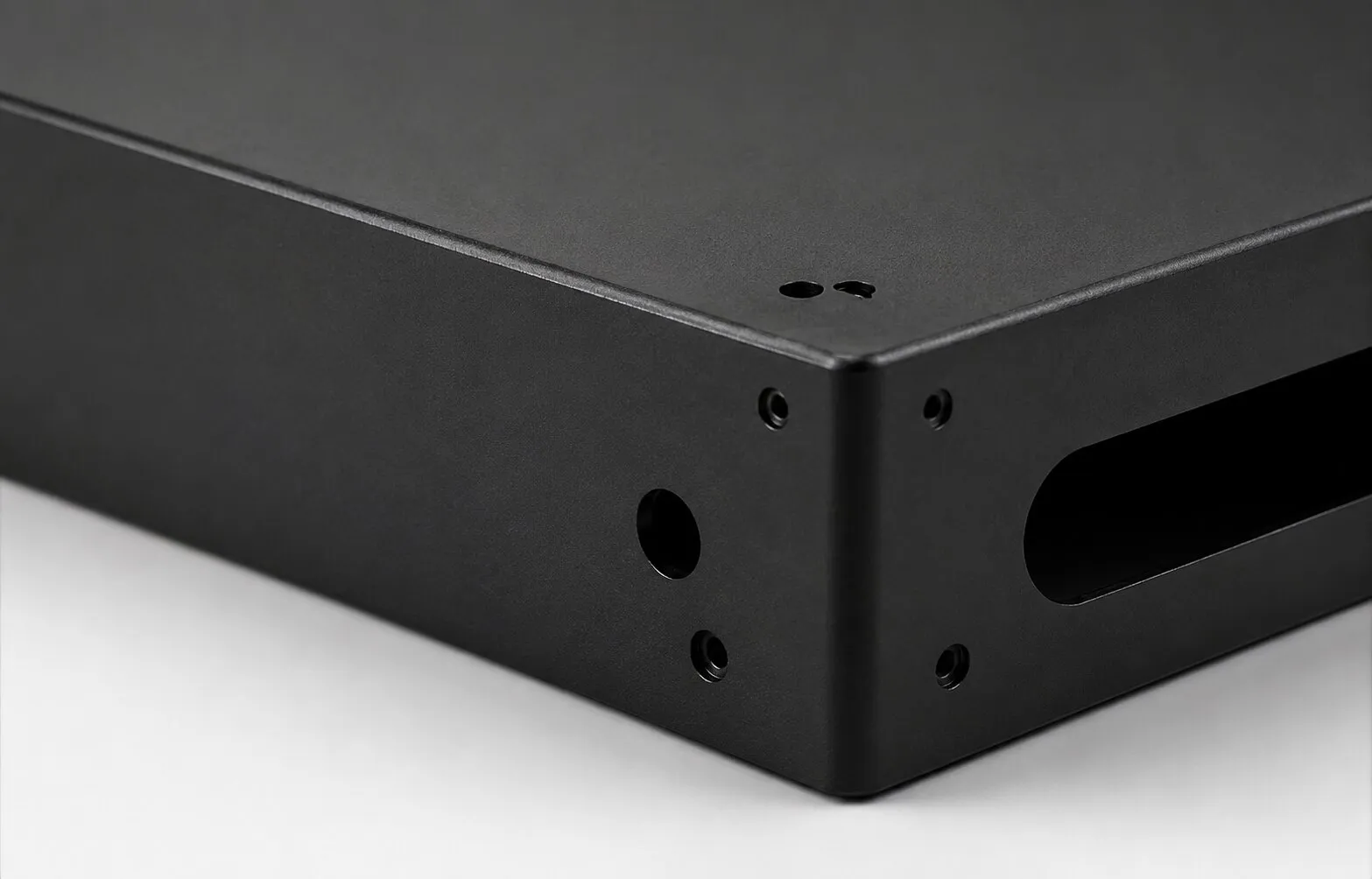
Matte & Textured Finishes
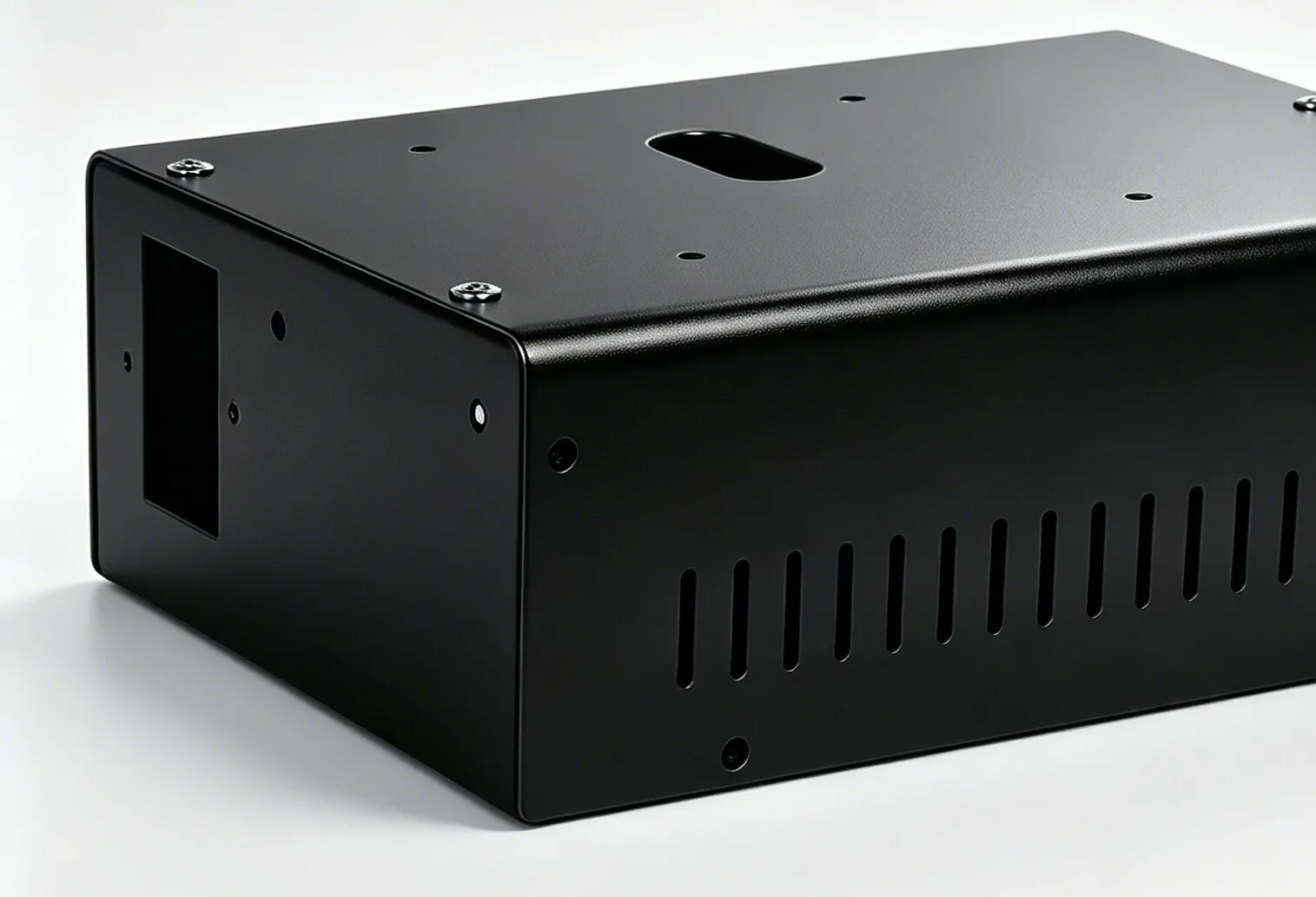
Commonly selected for industrial enclosures and fabricated components where glare reduction and surface durability are desired.
Powder coating integrated with fabricated sheet metal and machined parts requiring cosmetic finishes and surface protection, subject to substrate, pretreatment, geometry, coating system, and project requirements.
Get a Quote →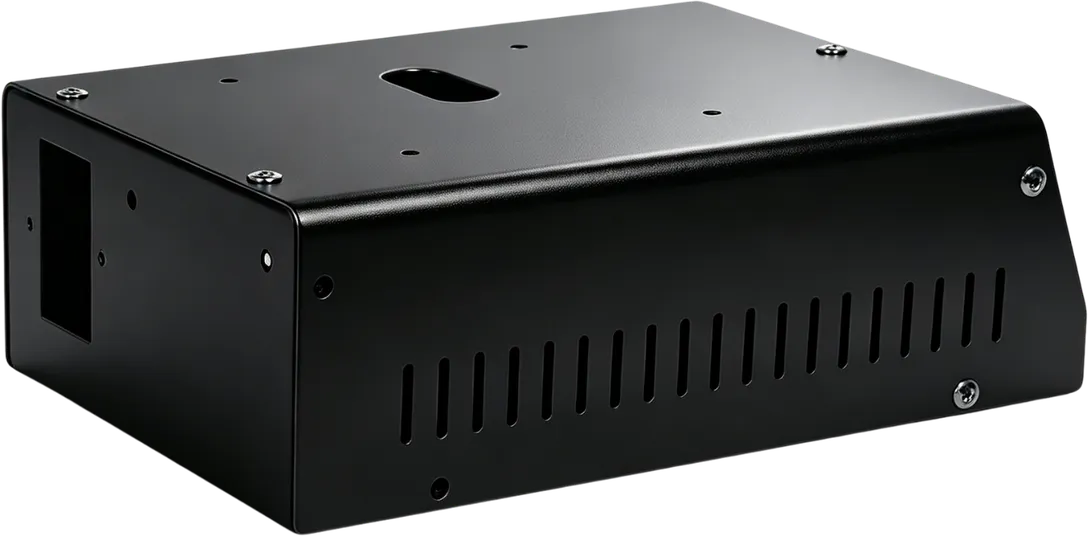
Powder coating is widely used on fabricated and machined metal parts requiring durable surface protection and consistent cosmetic appearance.
Compared with conventional liquid paint systems, powder coating is commonly selected for its durability, uniform coverage, and production suitability across industrial applications.
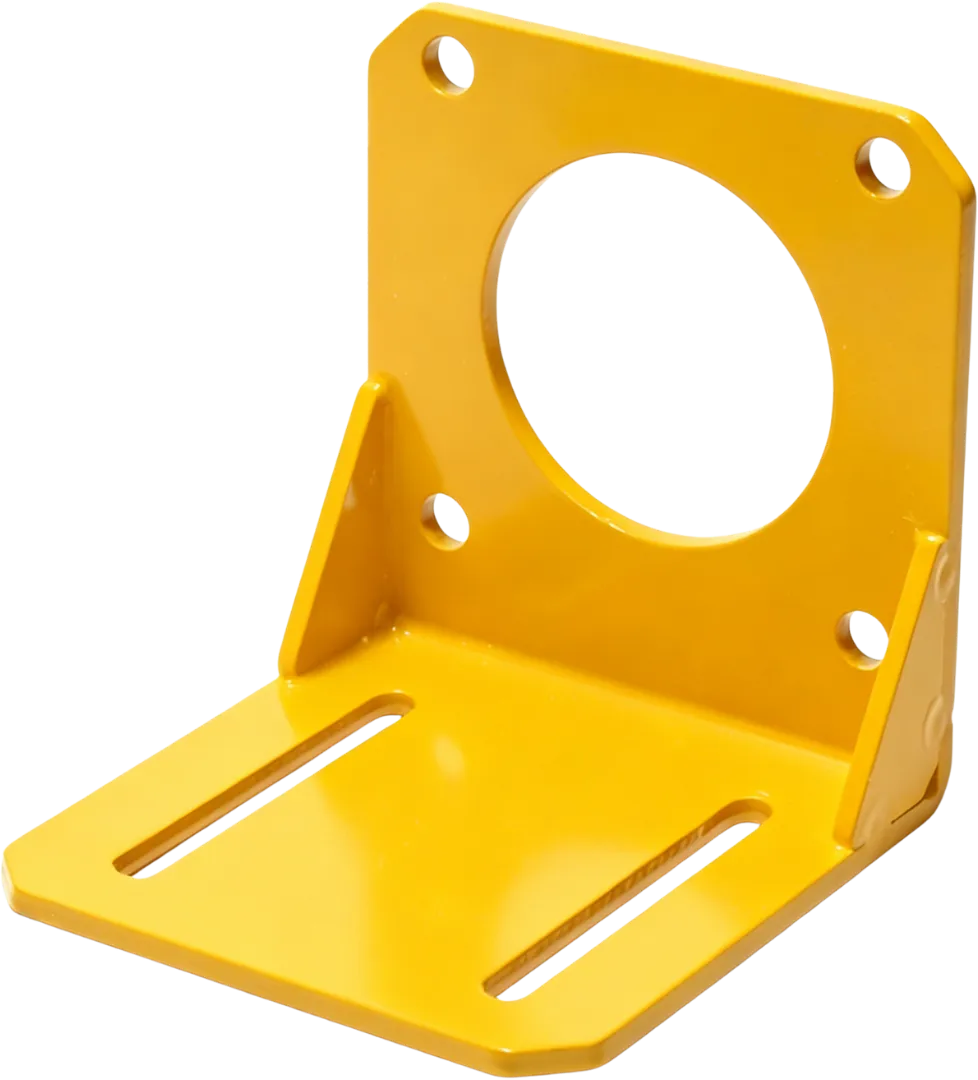
Commonly selected for industrial enclosures and fabricated components where glare reduction and surface durability are desired.
Suitable for visible components requiring a cleaner cosmetic appearance and easier cleaning.
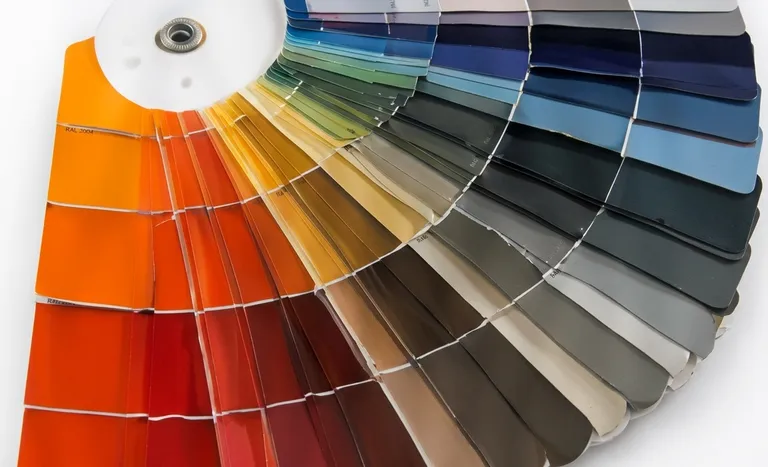
RAL colors may be reviewed for steel and aluminum components. Availability, coating chemistry, gloss level, texture, and acceptable color tolerance must be confirmed for each project.
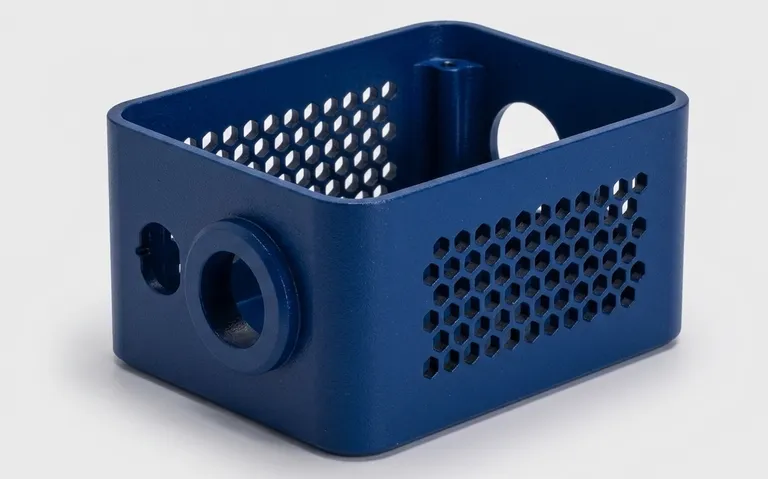
Additional colors, gloss levels, and texture selections may be available depending on project requirements.
*Color, gloss, texture, and finish appearance depend on the substrate, pretreatment, coating system, geometry, and production conditions. Available options and acceptable variation must be confirmed for each project.
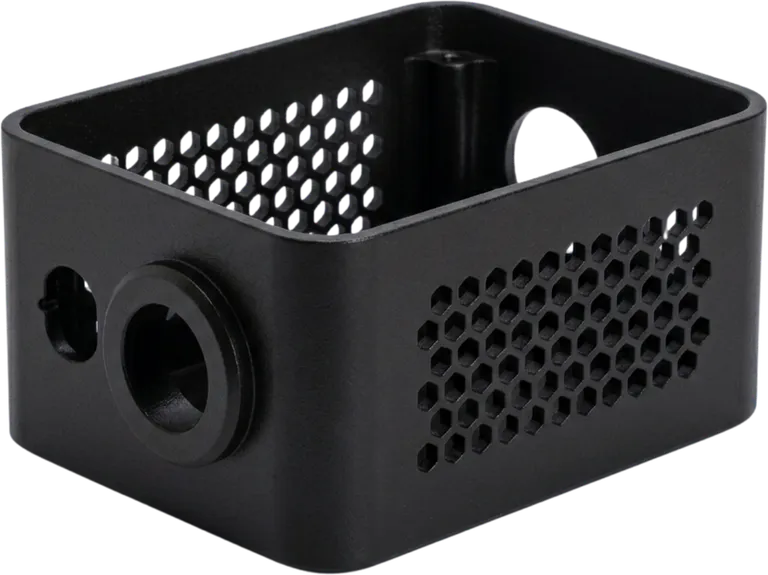
Used for fabricated housings requiring durable cosmetic finishes and surface protection.
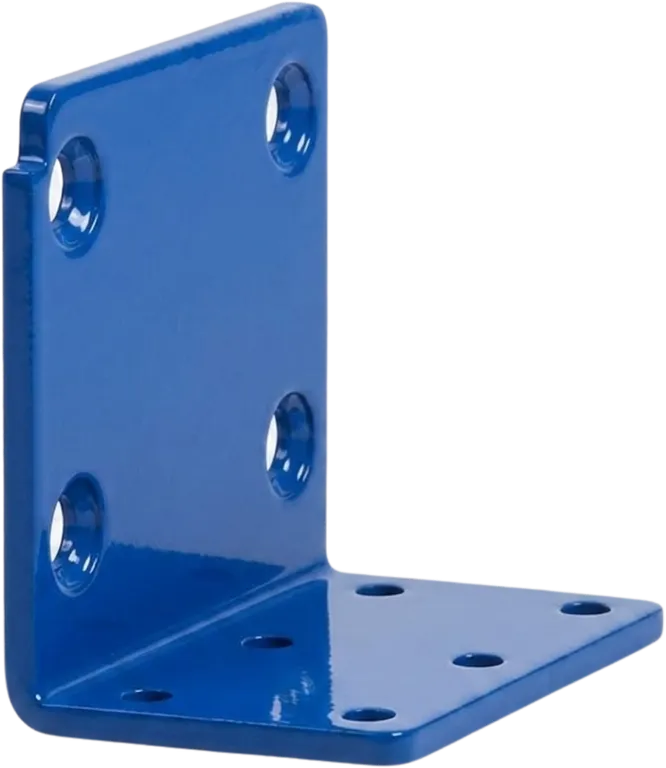
Suitable for fabricated steel and aluminum components used in industrial assemblies.
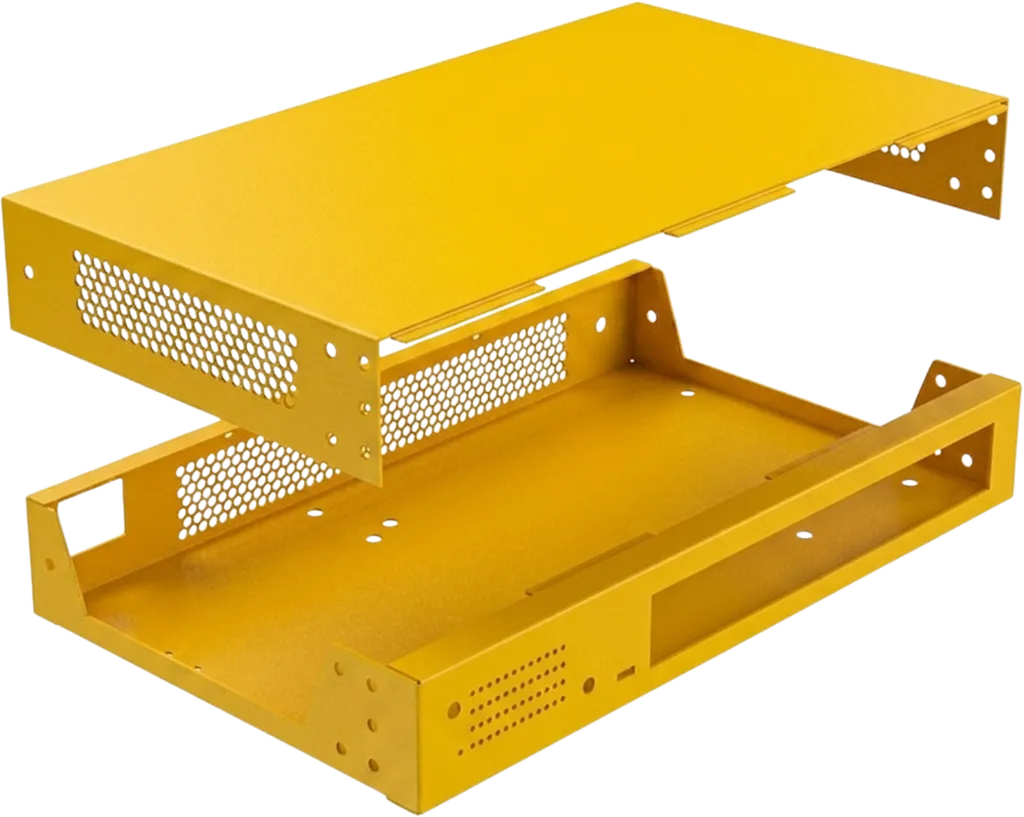
Applied to fabricated parts requiring appearance consistency and environmental protection.
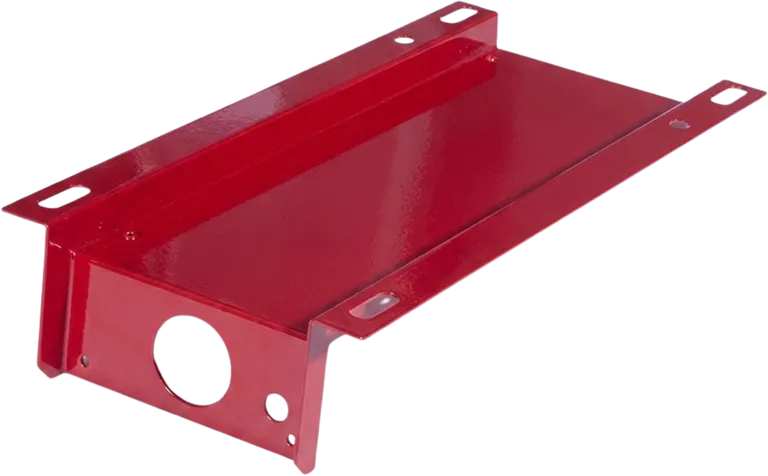
Used for welded and fabricated steel components requiring durable cosmetic and environmental protection.
For fabricated and machined metal parts, powder coating is reviewed together with geometry, assembly requirements, and cosmetic expectations before production.
This helps improve assembly compatibility, coating consistency, and production efficiency.
Powder coating adds measurable film thickness to fabricated and machined surfaces.
Grounding points, conductive interfaces, and threaded features may require selective masking.
Sharp edges, recessed areas, and enclosed features can influence coating consistency.
Surface condition before coating affects adhesion, appearance, and long-term finish durability.
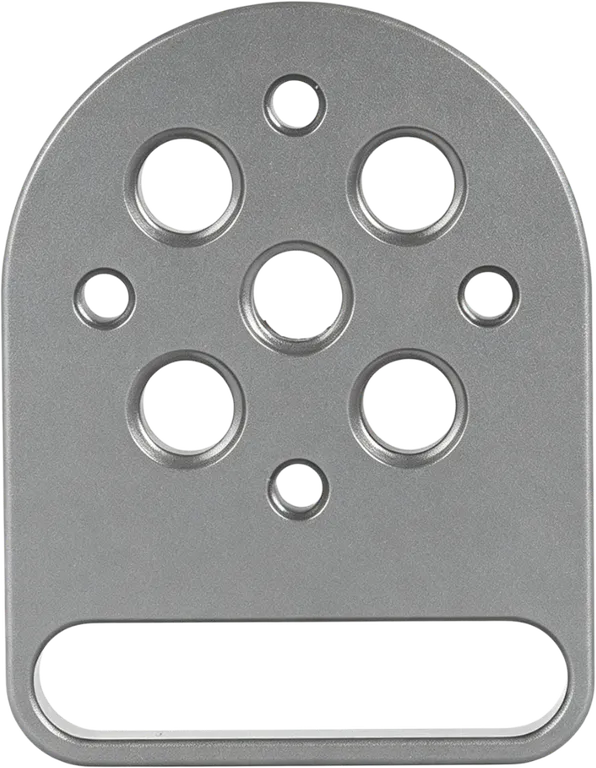
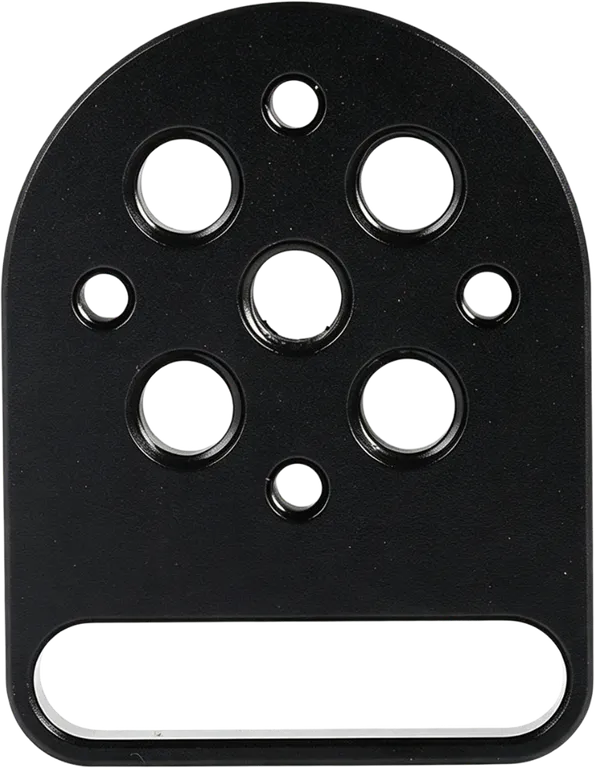
Yes. Coating thickness may affect threaded or precision mating features.
Selective masking may be used for grounding or assembly-related surfaces.
Common materials include steel, stainless steel, and aluminum alloys.
Yes. Powder coating is reviewed together with fabrication and machining requirements during production planning.
Outdoor performance depends on coating chemistry, pretreatment, substrate material, part geometry, and exposure environment.
Process recommendations may vary based on part design, material grade, and end-use requirementsContact our engineering team for application-specific guidance.
Our team integrates powder coating with machining and fabrication, including pretreatment, color and texture requirements, masking, critical dimensions, cosmetic surfaces, and post-coating inspection planning.
Get a Quote