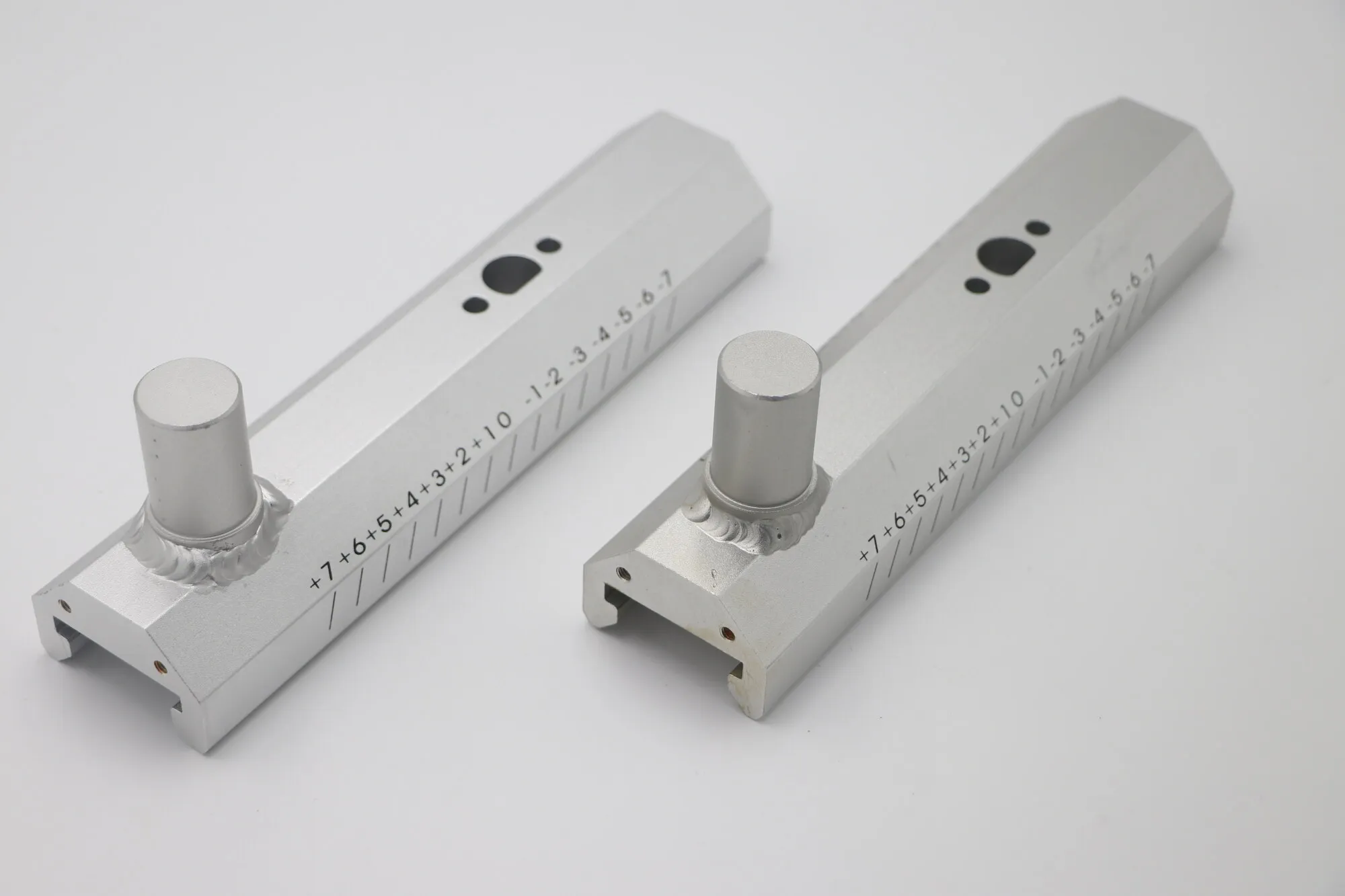
Laser-marked measuring rails
Graduations marked relative to a machined datum, not to the cut end.
Extruded aluminum profiles machined to length, welded frame assemblies, laser-marked measuring rails and clamp hardware supplied assembled with stainless fasteners.
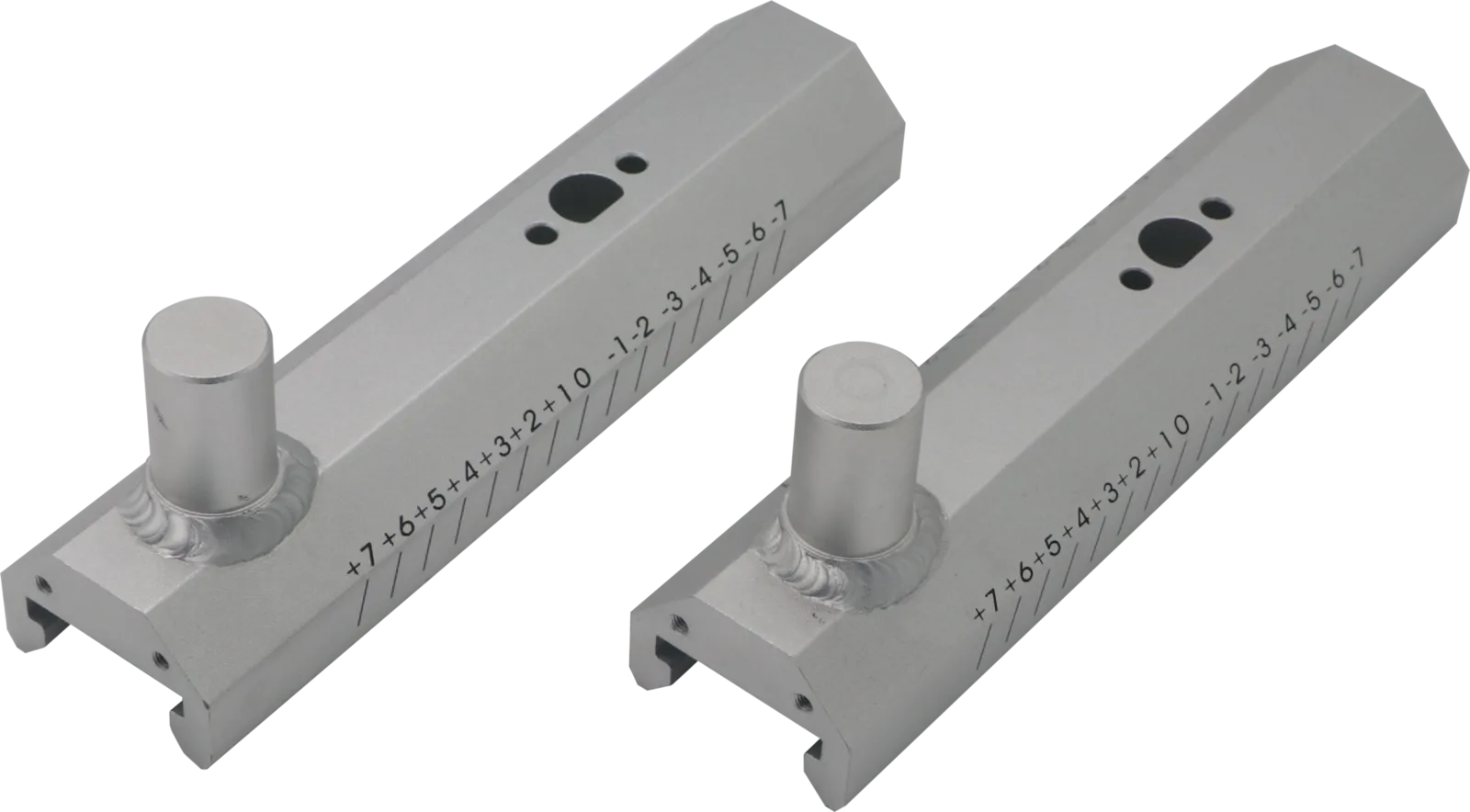
Profile work inverts the usual cost structure. The cross-section comes from the die essentially free, and everything you pay for is what happens afterwards: cutting to length square, drilling and tapping to a pattern that has to repeat down a long part, welding without pulling the assembly out of straight, and anodizing a length evenly end to end.
Welding is the step that most often surprises people. Aluminum moves when you weld it, so an assembly welded to shape and then measured will not match an assembly welded and then machined. Where a welded frame has to hold a dimension, we machine the critical features after welding rather than before — which costs more in handling and is the only way it holds.
Positioning and measuring hardware, where a laser-marked graduation has to agree with a machined datum on the same part.
Graduations marked relative to a machined datum, not to the cut end.
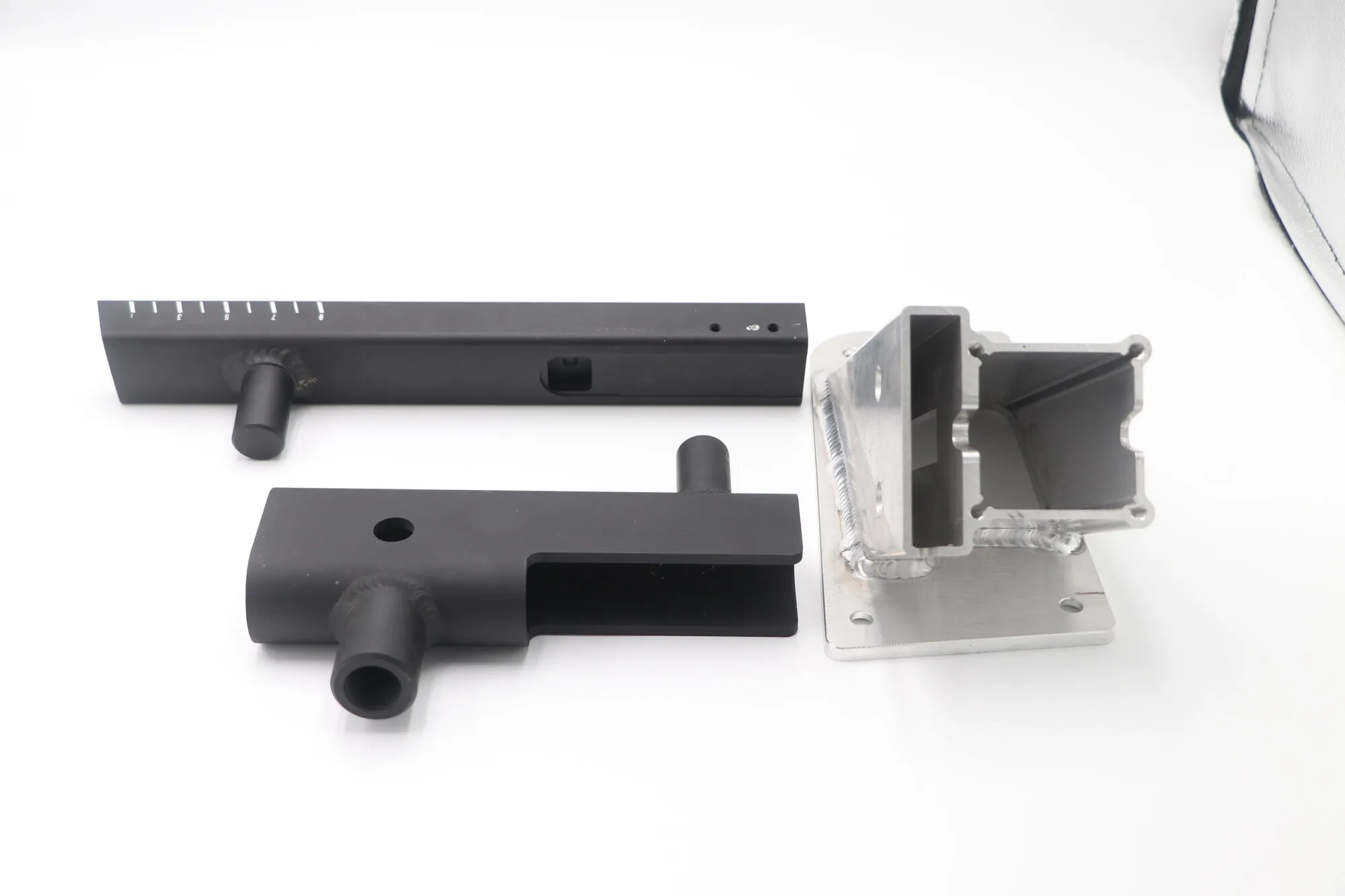
Welded stub tube, then machined and marked — in that order.
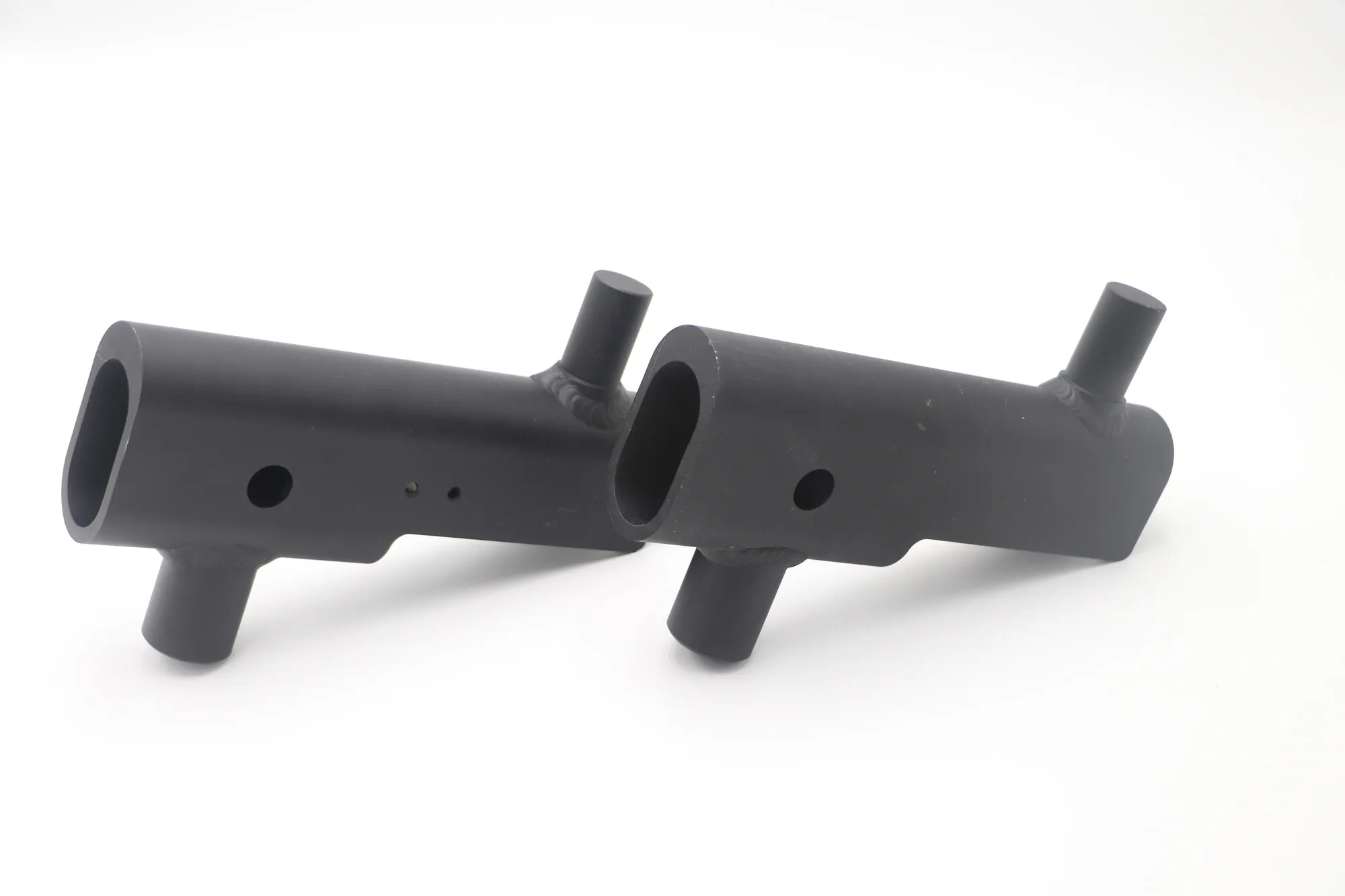
TIG-welded arms, machined after welding, then anodized black.
Sections machined to length with mounting features added. The die sets the cross-section; the machining sets whether it fits anything.
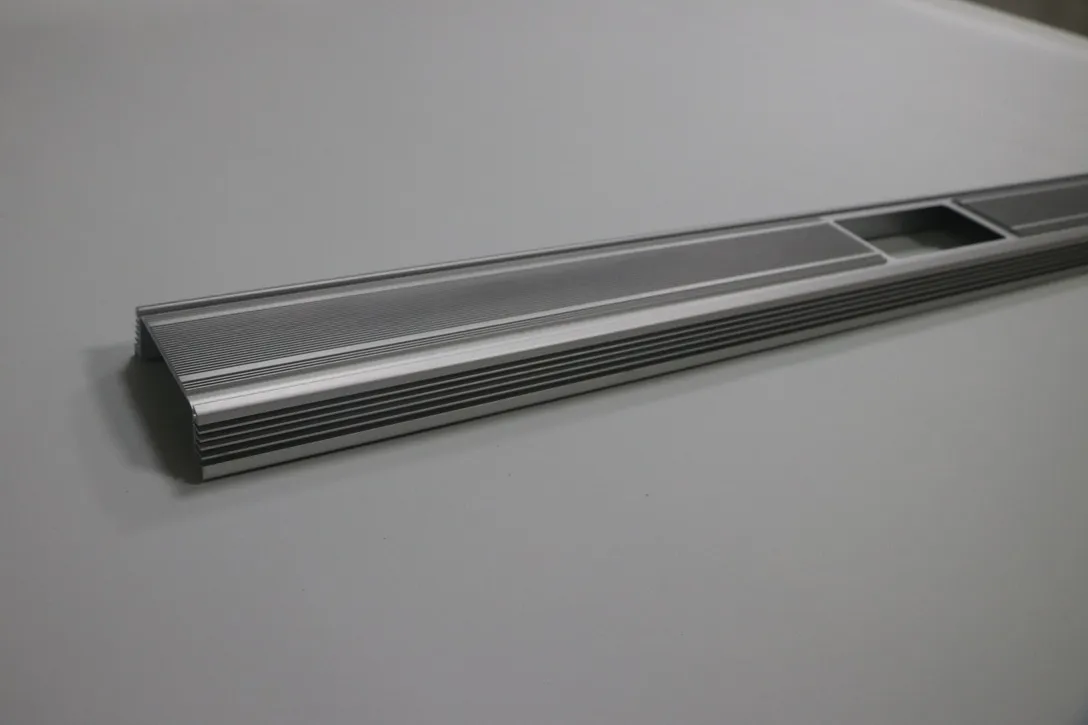
Milled slots and a drilled pattern down its length.
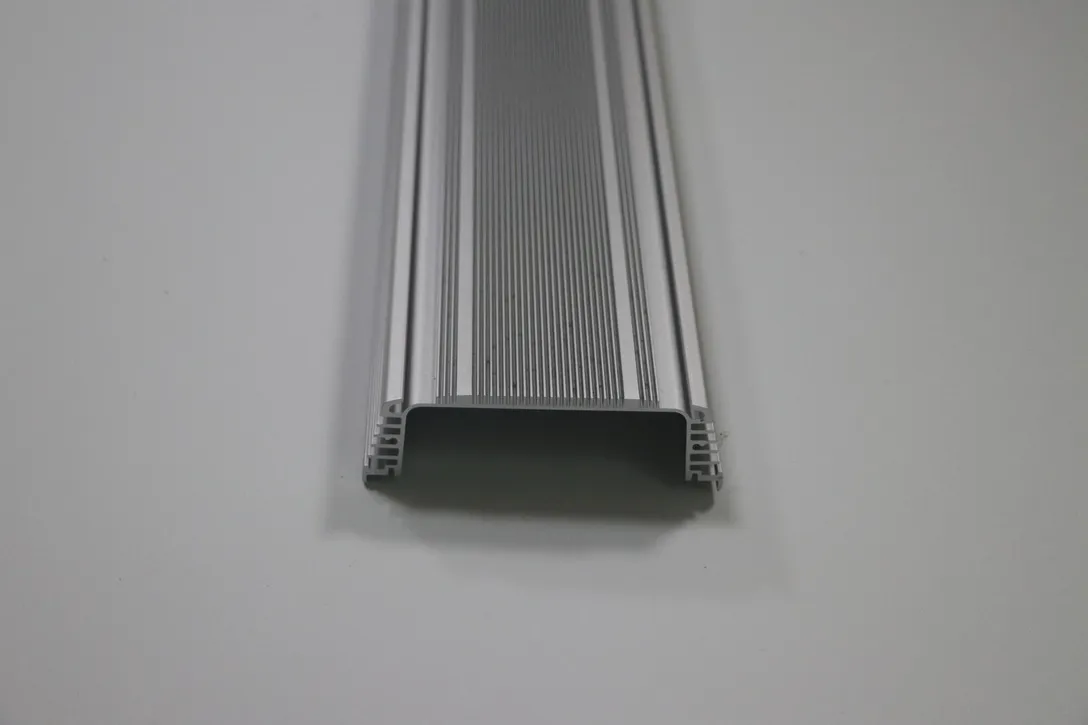
Internal channels from the die, ends machined square.
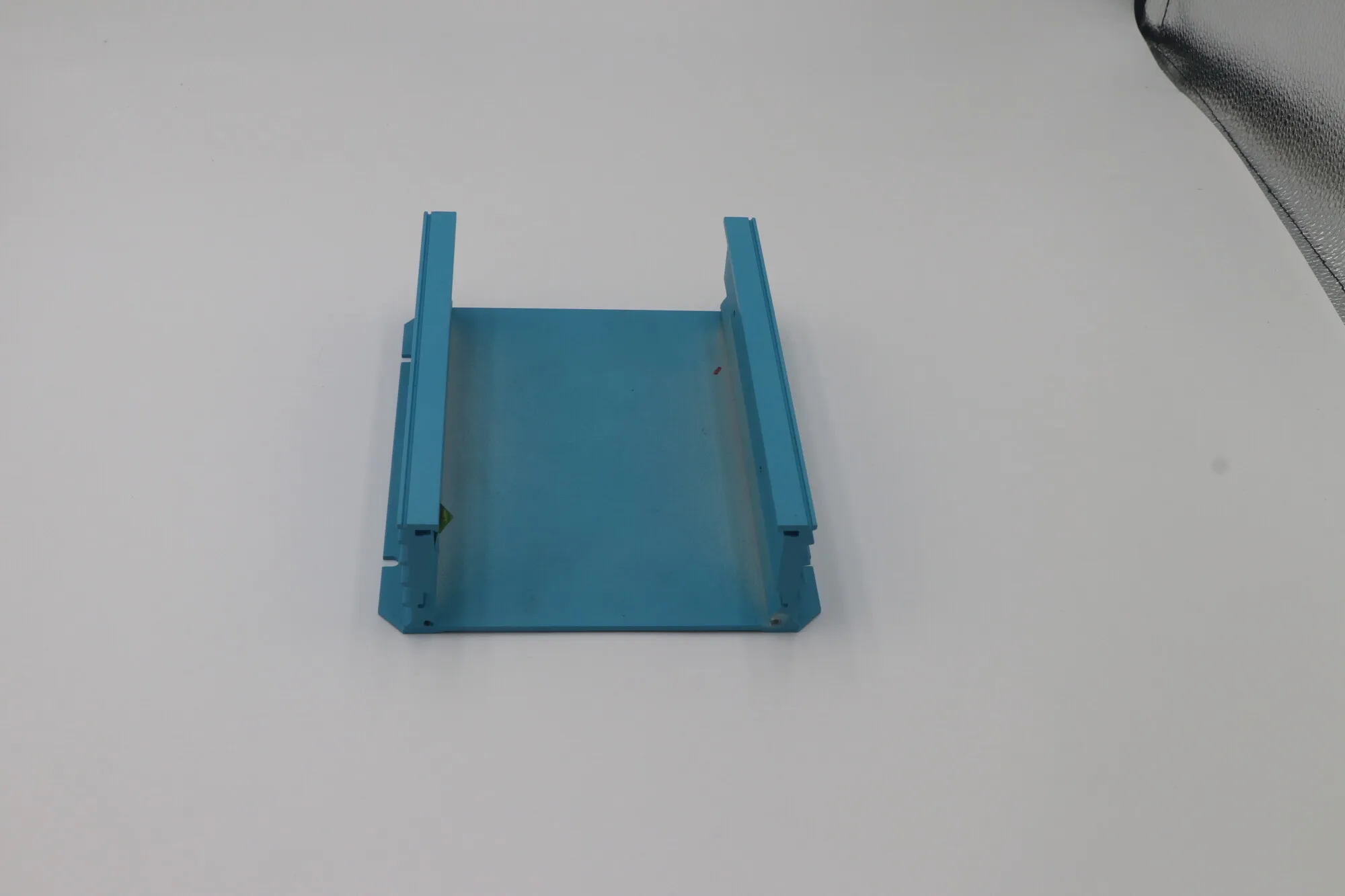
Color anodized after machining, held even along the full length.
Hardware supplied assembled, with stainless fasteners fitted — so what arrives is a working item rather than a bag of machined parts.
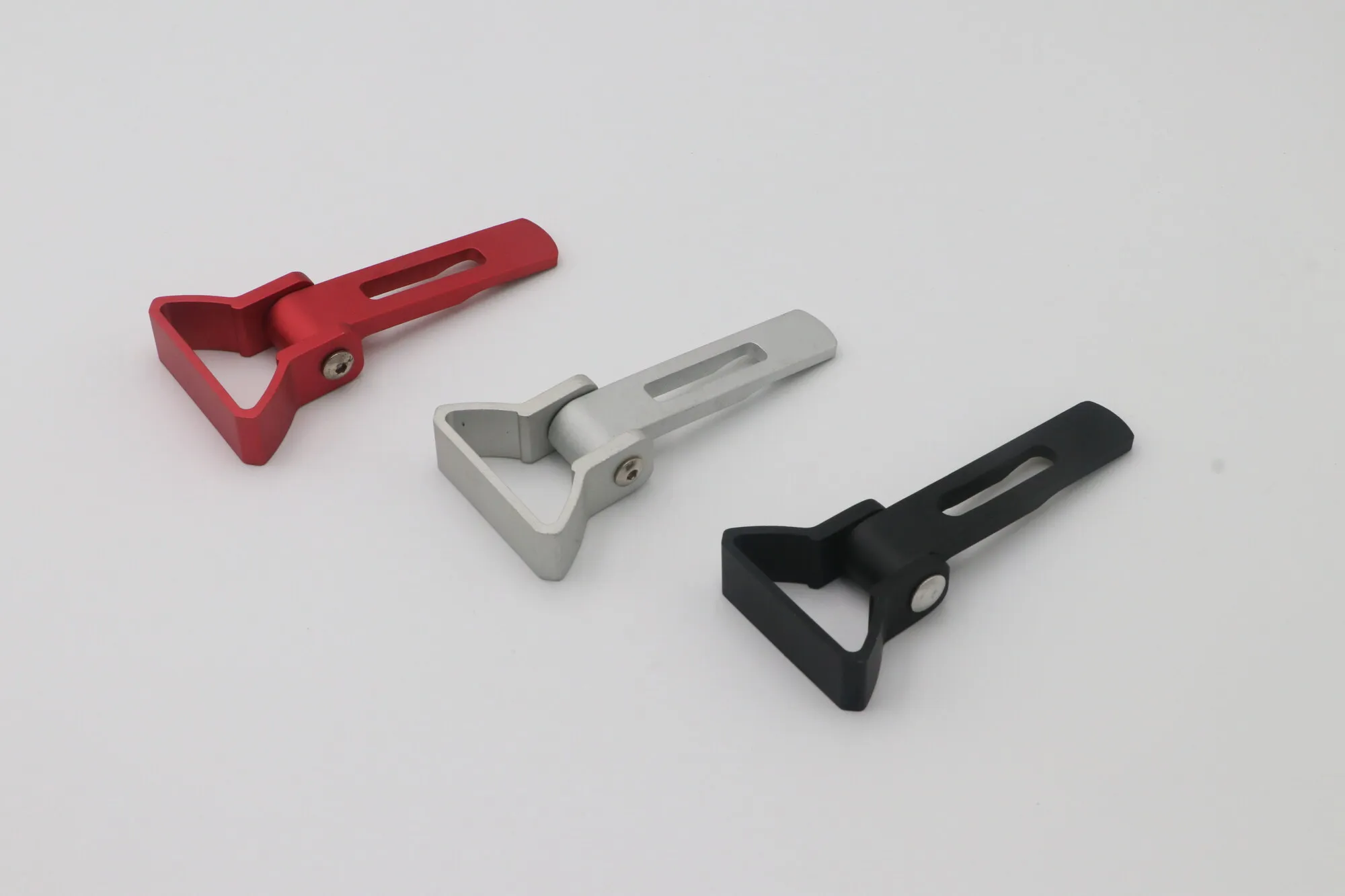
The same lever in three anodize colors.
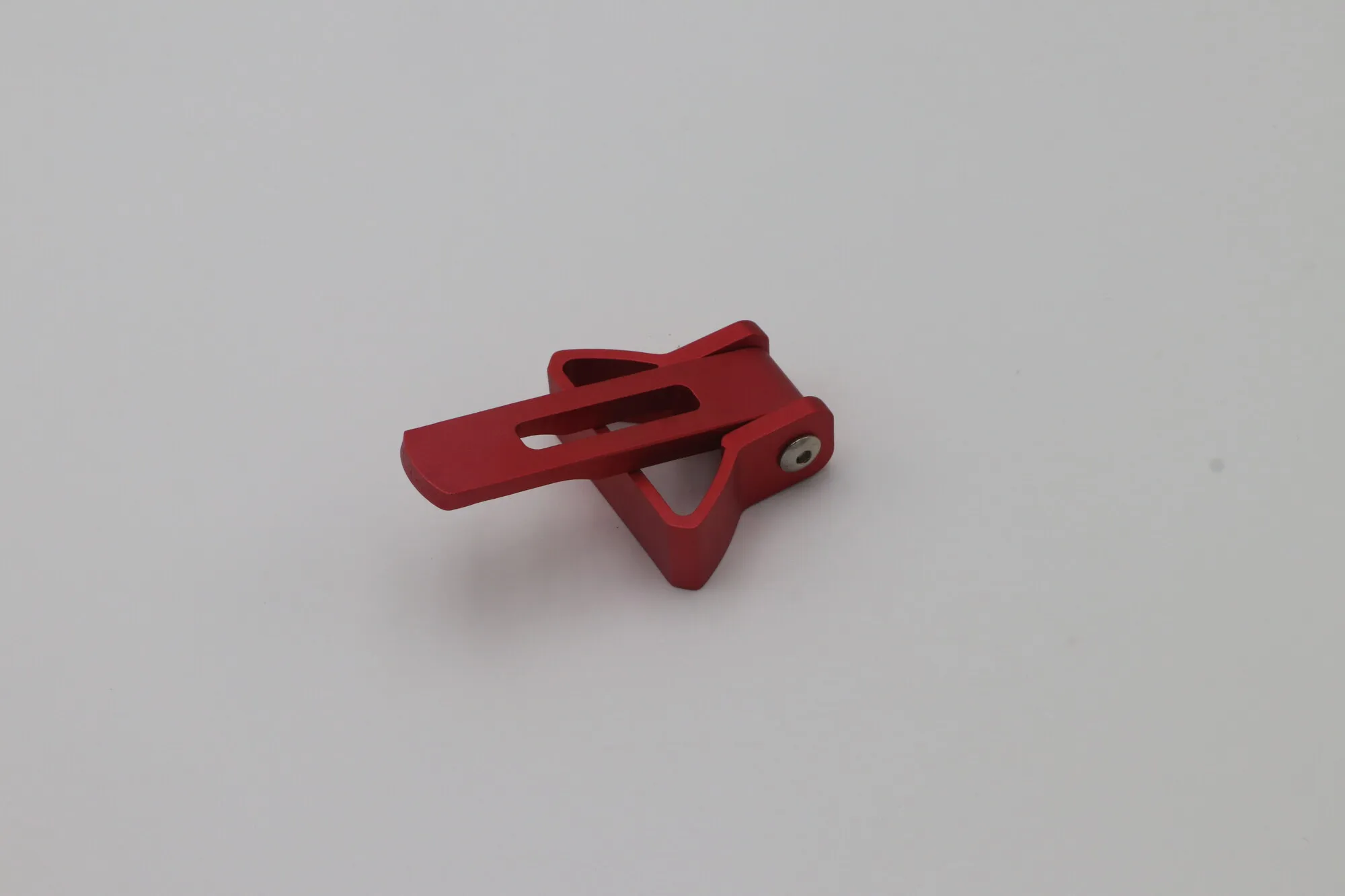
Milled and anodized lever with a slotted clamping body.
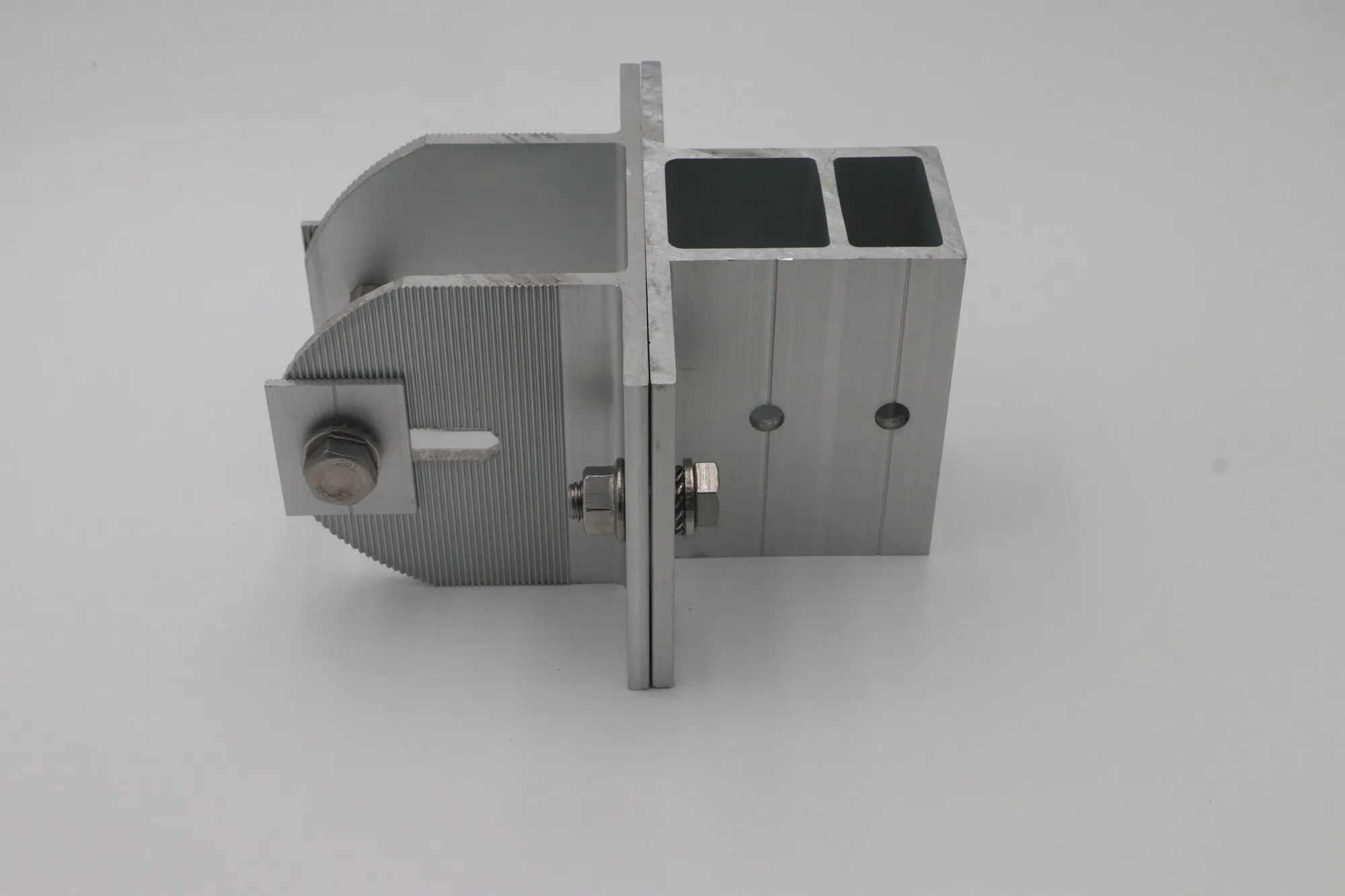
Machined profile plus stainless hardware, supplied assembled.
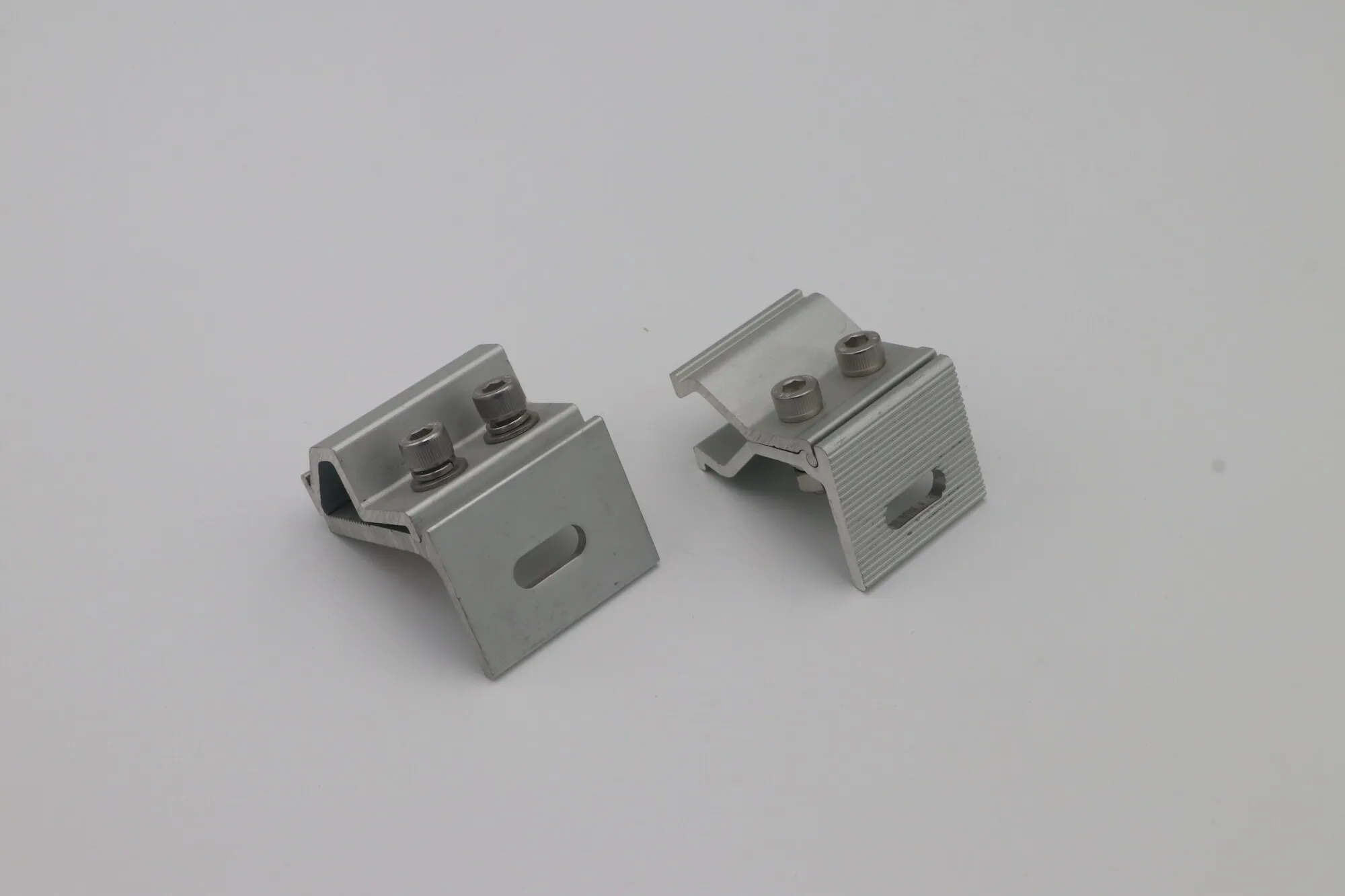
Matched brackets and fasteners as a supplied set.
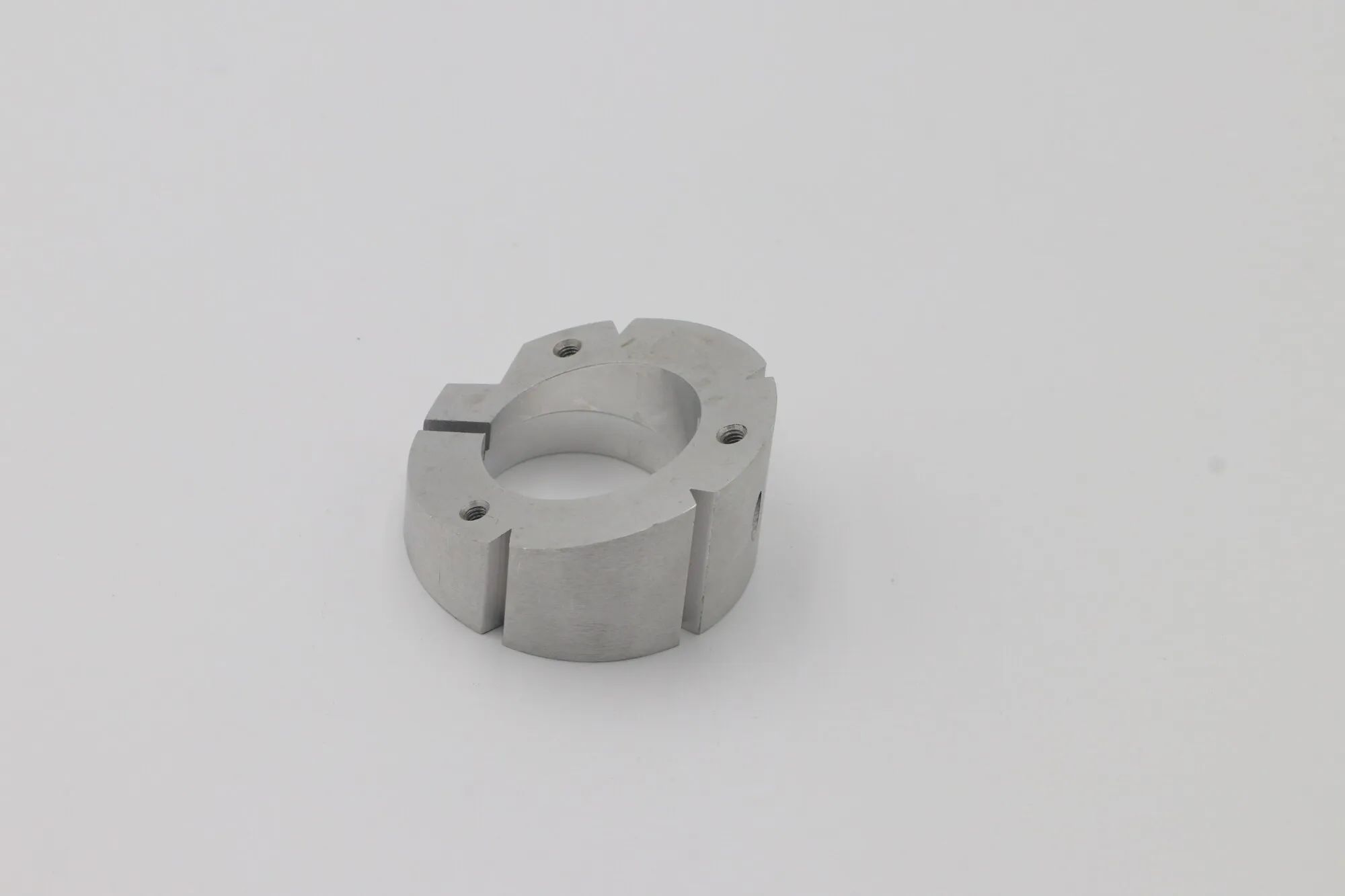
Bored round first, then split, so the bore is true before relief.
Length, squareness and how much a welded assembly moves are what these parts are judged on.
Held to the machined datum rather than the extrusion's own end, which is never a reliable reference.
Critical features cut after welding, because aluminum moves as it cools. Machining first and welding after does not hold a dimension.
Graduations and legends marked relative to a machined feature, so the scale agrees with the part rather than with the blank.
Stainless fasteners fitted and function-checked, supplied as a working assembly rather than loose components.
Custom extrusion carries a die cost, so it only pays above a certain annual volume. Below that we machine from stock profile or from solid — send your quantity and we will cost the routes against each other rather than assuming.
Both. Custom extrusion means a die, which is a one-off tooling cost, after which the cross-section is produced very cheaply and can include internal channels and screw bosses that would be expensive to mill. Stock profiles avoid the tooling entirely. The crossover depends on your annual volume and how unusual the section is — send both and we will cost the options rather than pushing you toward the die.
Largely by sequencing, and by machining critical features after welding rather than before. Aluminum conducts heat well and moves as it cools, so an assembly welded from pre-machined parts will not hold the dimensions those parts had. We fixture to control it, weld in a sequence that balances the heat, and then cut the features that have to be accurate. That costs an extra handling step and is the only approach that actually holds.
Yes. The thing worth specifying is what the marking is measured from: a scale referenced to the cut end of an extrusion inherits all the error in that cut, whereas one referenced to a machined datum agrees with the feature the user actually indexes against. Tell us which feature is the zero and we will mark to it. We can also mark part numbers and logos, subject to them being yours to apply.
Assembled, where that is what you want — the clamp assemblies above ship with their stainless fasteners fitted and the action checked. It costs more per unit than shipping components but removes an assembly step and the risk of a missing fastener at your end. Tell us which you prefer at enquiry, and if assembled, whether there is a torque specification or a function check you want performed and recorded.
Yes, with the length declared up front, because tank size and racking are the real constraints on long parts rather than the process itself. Evenness end to end depends on how the part hangs and how solution circulates around it. Tell us the finished length and the color at enquiry — a long part in a dark color is the hardest combination to keep uniform, and it is better to establish feasibility before you design around it.
Send your drawing or STEP file with the material, quantity, finished lengths, any welded or assembled requirements, and whether marking is referenced to a machined datum.
Get a Quote