Zinc Plating Services for Precision Steel Parts

Integrated zinc plating services for suitable machined and fabricated steel components requiring cost-effective corrosion protection and a specified plated appearance.

Get a Quote →
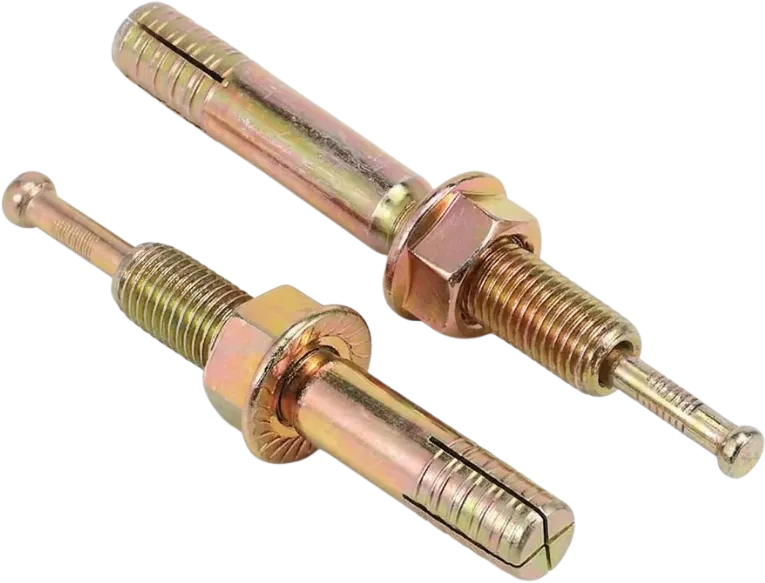
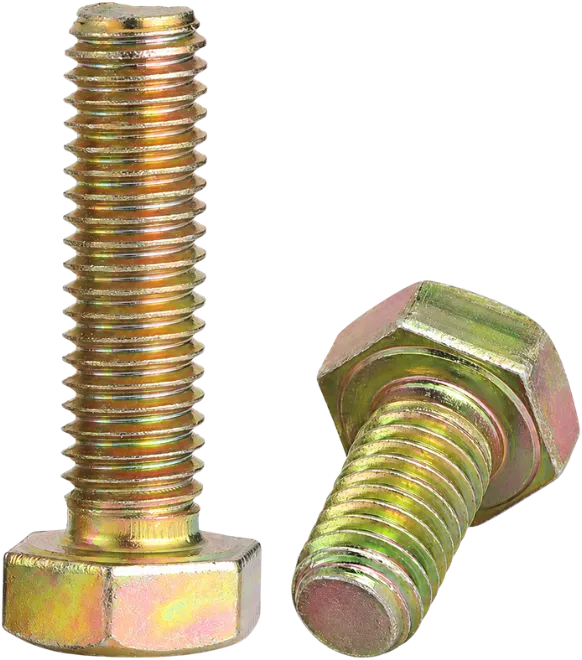
Yellow zinc plated steel bolts with an iridescent finish.

Why Zinc Plating Is Commonly Used

Zinc plating is widely selected for steel components that require economical corrosion protection and a consistent surface finish.

Zinc plating is often considered a cost-effective option for steel components and can be reviewed for prototype or production-stage projects depending on specification, quantity, and project requirements.

Available Zinc Plating Options

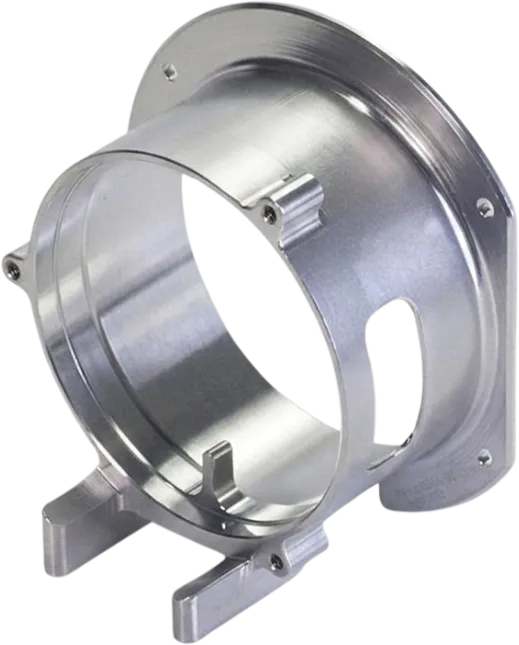
Clear zinc plated steel housing with a silver-white finish.

Clear / White Zinc

A silver-white plated appearance may be specified. Actual tone and corrosion performance depend on the coating system, supplementary treatment, thickness, and project requirements.

Commonly selected for general industrial components where a traditional zinc-plated finish is preferred.
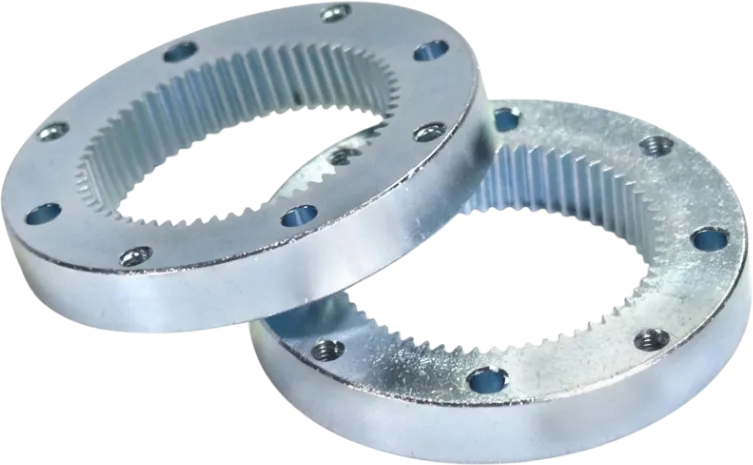
Blue-white zinc plated steel rings.

Blue-White Zinc

A blue-tinted silver appearance may be specified, subject to the selected supplementary treatment and project confirmation.

Often selected for industrial components requiring a clean cosmetic finish together with durable surface protection.
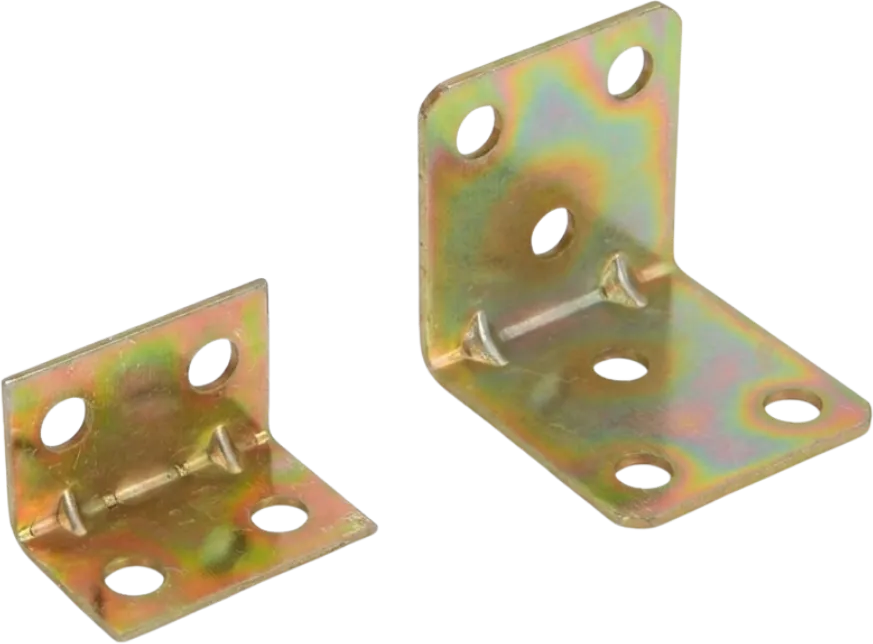
Yellow zinc plated steel angle brackets with an iridescent finish.

Yellow Zinc

A yellow or iridescent appearance may be specified where required for finish identification or functional requirements.

Often selected for general industrial steel components where yellow zinc is specified for functional protection or finish identification.

*Availability, coating class, supplementary treatment, color, thickness, and performance requirements must be confirmed for each project.

Typical Applications

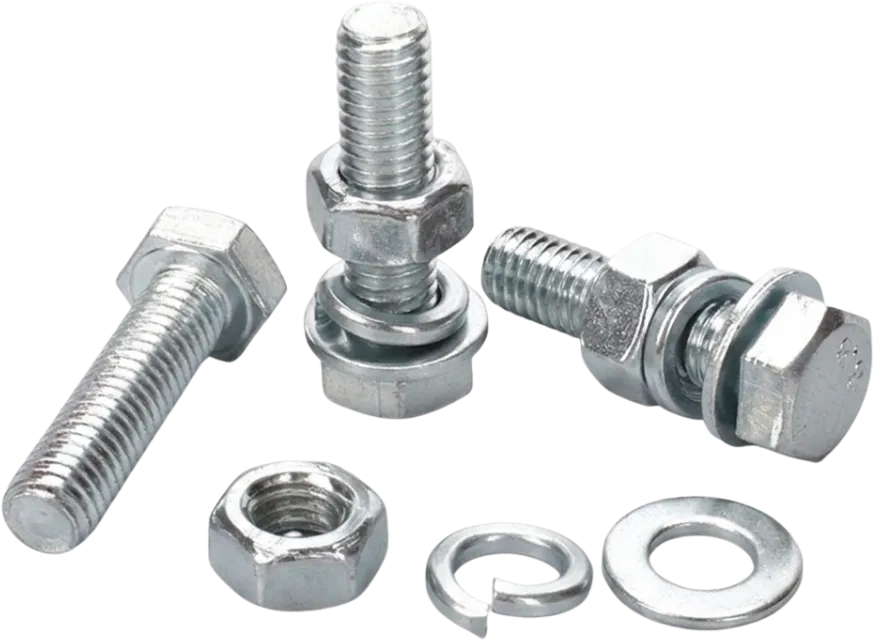
Zinc plated steel bolts, nuts, and washers.
  • Precision Machined Components

    Applied to suitable steel components requiring corrosion protection, with plating thickness and dimensional allowance reviewed for critical features.

  • Fabricated Assemblies

    Used on steel assemblies, brackets, and structural parts where cost-effective corrosion protection is desired.

  • Fasteners & Hardware

    Commonly applied to screws, bolts, nuts, and other hardware used in industrial applications.

  • Industrial Production Components

    Suitable for production-stage steel components where plating thickness, tolerance requirements, and mechanical features are reviewed during planning.

How Zinc Plating Fits Into Our Manufacturing Workflow

For steel components, zinc plating is coordinated with machining and fabrication requirements to help manage coating coverage, dimensional impact, and functional requirements.

Our workflow may include:

  1. Material and alloy verification

  2. Surface preparation review

  3. Thread allowance, plating coverage, critical dimensions, and masking requirement review

  4. Integration of fabrication, machining, plating, and inspection requirements

  5. Post-plating inspection or quality review where required

Manufacturing & Finishing Considerations

  1. 1

    Coating Thickness

    Typical zinc plating thickness should be considered during design to ensure compatibility with mating parts and tolerances.

  2. 2

    Threaded Features

    Coating thickness, thread allowance, plating coverage, and any masking requirement should be reviewed against the drawing and applicable specification.

  3. 3

    Appearance Variation

    Surface finish may vary depending on plating type, part geometry, and environmental factors.

  4. 4

    Material Compatibility

    Zinc plating is commonly applied to steel and low-alloy steel; compatibility with stainless steel requires additional consideration.

What to Expect From Zinc Plating

  • Cost-effective corrosion protection for suitable iron and steel parts.
  • Plating coverage depends on material, geometry, surface preparation, and process access.
  • Zinc plating adds measurable thickness that must be considered for threads, fits, and critical dimensions.
  • Finish color and supplementary treatment are subject to specification and project confirmation.
  • Suitability for prototype or production-stage parts depends on material strength, specification, quantity, geometry, and project requirements.
Yellow zinc plated steel anchor bolts.

Frequently Asked Questions

Does zinc plating affect part dimensions?

Zinc plating adds measurable coating thickness. Critical dimensions, threads, and mating features should be reviewed before processing.

Can zinc plating be applied to threaded parts?

Threaded parts can be zinc plated, but coating thickness, thread allowance, plating coverage, and any masking requirement must be reviewed against the drawing and applicable specification.

What zinc plating colors are available?

Available colors and supplementary treatments must be confirmed for each project. Color alone should not be used to define coating thickness, corrosion performance, or chemical composition.
Is zinc plating suitable for outdoor applications?

Suitability for outdoor exposure depends on coating thickness, supplementary treatment, sealer or topcoat, substrate, geometry, and the actual exposure environment.

Can zinc plating be applied to complex geometries?

Complex geometries can be evaluated for zinc plating, but recesses, blind features, drainage, electrical current distribution, and required coverage should be reviewed before processing.

Process recommendations may vary based on part design, material grade, and end-use requirementsContact our engineering team for application-specific guidance.

Need Zinc-Plated Steel Components?

Our team integrates zinc plating with steel machining and fabrication, including material-strength review, coating specification, hydrogen-embrittlement risk, threaded features, critical dimensions, finish appearance, and post-plating inspection requirements.

Get a Quote