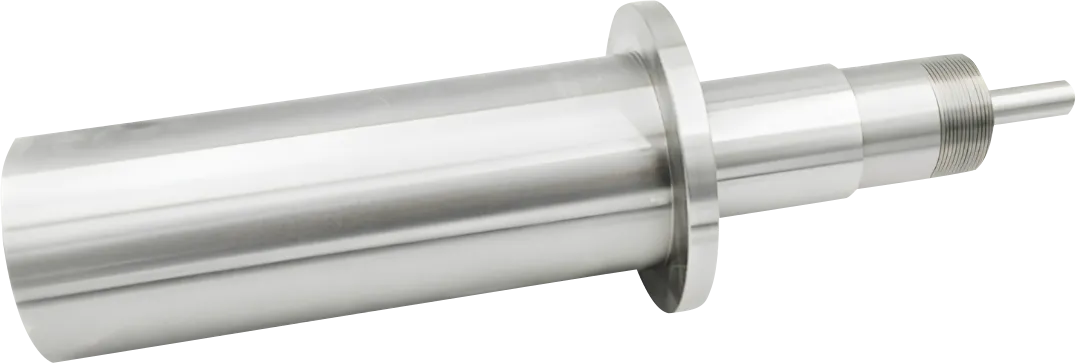
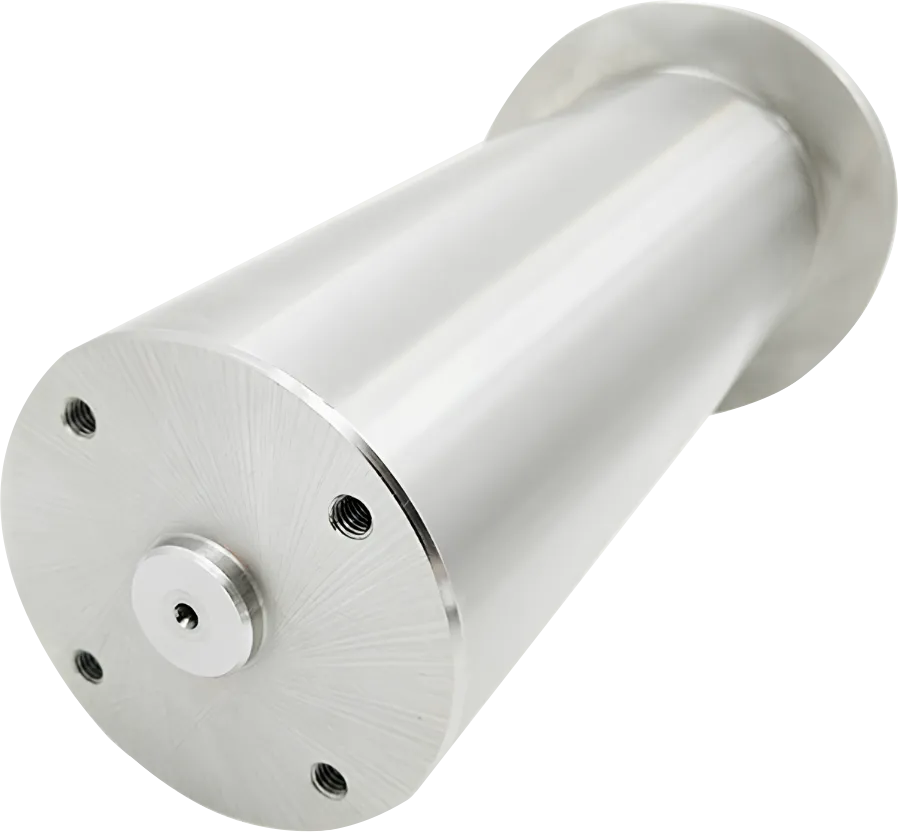
Stainless Steel CNC Machining
Stainless Steel CNC Machining for Corrosion-Resistant Precision Parts
CNC machining support for stainless steel components used in industrial, mechanical, and corrosion-resistant applications.
Stainless steel is commonly selected for applications requiring corrosion resistance, strength, and long-term durability in demanding operating conditions.
Get a QuoteWhy Choose Stainless Steel
Key Advantages of Stainless Steel for CNC Machined Components
Corrosion Resistance
Stainless steel can provide corrosion resistance in moisture, outdoor, and certain chemical exposure conditions, depending on grade, surface condition, and operating environment.
Strength & Durability
Many stainless steel grades provide a combination of mechanical strength, toughness, and durability, depending on grade selection and service conditions.
Temperature Resistance
Stainless steel may be considered for equipment exposed to elevated temperatures, with grade selection reviewed according to operating conditions.
Cleanability
Smooth stainless steel surfaces can be easily cleaned and maintained, making them suitable for applications where cleanable surfaces and corrosion resistance are important.
Surface Finish Flexibility
Stainless steel supports a variety of finishing options including passivation, electropolishing, bead blasting, black oxide, and decorative coatings.





Common Stainless Steel Grades
303 Stainless Steel
Designed for improved machinability and production efficiency. Often selected when machining efficiency is an important project requirement.
304 Stainless Steel
The most commonly used stainless steel grade. Offers a balanced combination of corrosion resistance, strength, and cost-effectiveness.
316 Stainless Steel
Provides enhanced resistance to chlorides, moisture, and chemical exposure. Frequently used in harsh operating environments.
17-4 PH Stainless Steel
A precipitation-hardening stainless steel offering significantly higher strength than austenitic grades while maintaining corrosion resistance.
Stainless Steel Grade Comparison
| Grade | Machinability | Corrosion Resistance | Strength | Weldability | Engineering Expert Insight |
|---|---|---|---|---|---|
| 303 | Excellent | Good | Moderate | Limited | Often selected for CNC machining where cutting efficiency is important and welding is not required. |
| 304 | Good | Excellent | Moderate | Excellent | Commonly selected for general corrosion-resistant applications. |
| 316 | Moderate | Excellent | Moderate | Excellent | Molybdenum content helps improve resistance to chloride-containing or corrosive environments compared with 304 stainless steel. |
| 17-4 PH | Good | Good | High | Moderate | Precipitation-hardened; suitable for high-strength mechanical components where requirements are reviewed carefully. |
If a specific stainless steel grade or standard is required, our team can review the drawing requirements, material availability, and project needs before quotation.
Surface finish selection for stainless steel should be evaluated alongside material grade, application environment, corrosion resistance needs, and appearance requirements.
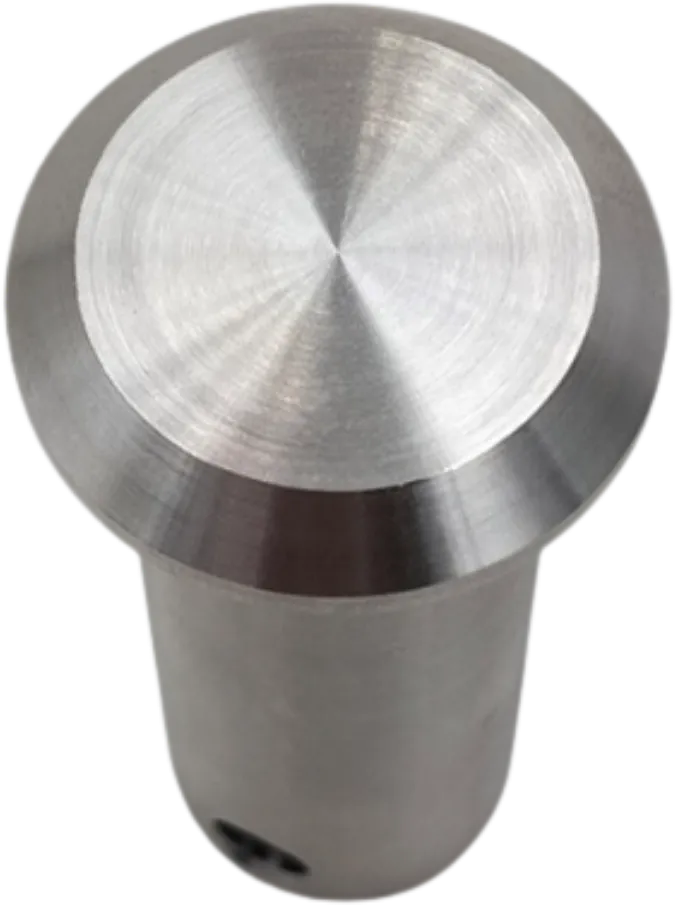
Compatible Surface Finishes
| Finish Type | Engineering Edge (Core Value) | Compatible Stainless Steel Grades |
|---|---|---|
| Passivation → | Improves corrosion resistance; removes free iron. | 303, 304, 316, 17-4 PH |
| Electropolishing → | Improves surface smoothness, appearance, and cleanability. | 303, 304, 316, 17-4 PH |
| Powder Coating → | Adds a durable, decorative, and protective layer. | 303, 304, 316, 17-4 PH |
| Bead Blasting | Creates a uniform, consistent matte appearance. | 303, 304, 316, 17-4 PH |
| Black Oxide | Provides a dark aesthetic finish with light protection. | 303, 304, 316, 17-4 PH |
Grade Selection Guidelines
If you are unsure about material selection, start from your operating environment and performance requirements. Below are practical selection guidelines based on typical engineering use cases:
303
Conditions:
- High machinability is the top priority
- Complex geometries require efficient machining
- Machining efficiency is important for repeated or batch production
- Cost efficiency in machining time is important
Typical use: precision machined components where cutting efficiency is an important requirement.
304
Conditions:
- A balanced combination of performance and cost is required
- General-purpose corrosion resistance is sufficient
- Components are used in indoor or mildly corrosive environments
- Weldability is important for assembly or integration
Typical use: general industrial equipment and structural components.
316
Conditions:
- Components are exposed to moisture, salt, or chemicals
- Marine or coastal environments are involved
- Higher corrosion resistance is required over standard grades
- Long service life in aggressive environments is expected
Typical use: marine systems, chemical equipment, and harsh industrial environments.
17-4 PH
Conditions:
- High mechanical strength is a primary requirement
- Structural loading or stress conditions are significant
- Wear resistance is important in operation
- A combination of strength and corrosion resistance is required
Typical use: high-strength mechanical and structural components.
CNC Machining Considerations
Design Considerations for Stainless Steel Components
Work Hardening
Many stainless steel grades harden during machining operations, which can increase cutting forces and manufacturing complexity.
Tool Wear
Compared with aluminum, stainless steel generally causes greater tool wear and requires optimized machining strategies.
Deep Features
Deep pockets, cavities, and high aspect ratio features may increase machining time and cost.
Tight Tolerances
Precision tolerances are achievable but may require additional machining operations depending on geometry and material grade.
Surface Finish Requirements
Surface finish expectations should be considered during design to avoid unnecessary manufacturing complexity.





Typical Stainless Steel Components
Stainless steel is commonly used for precision machined parts that require strength, corrosion resistance, and stable performance across industrial applications.
- Valve bodies
- Pump housings
- Sensor housings
- Manifold blocks
- Instrumentation fittings
- Mechanical brackets
- Fastening components
- Structural support parts
- Fluid control components
- Enclosures and covers
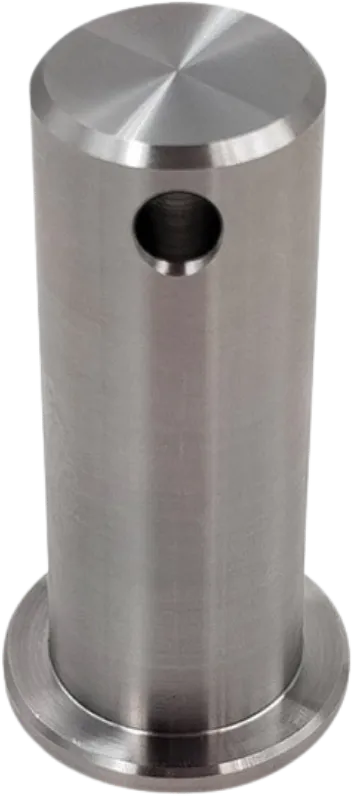
Typical Applications
Stainless steel is widely used in industrial applications where corrosion resistance, cleanability, and long-term durability are important requirements.
General Industrial Equipment
Machined components used in machinery, automation systems, and general manufacturing environments where durability and corrosion resistance are required.
Cleanable Industrial Equipment
Components used in systems requiring frequent cleaning, moisture exposure, and cleanable surface conditions.
Analytical and Technical Equipment
Precision components used in analytical and technical equipment where cleanable surfaces and corrosion resistance are important.
Energy Systems
Components used in industrial energy equipment and systems operating under high load and demanding conditions.
Automation Systems
Components used in automated machinery and systems requiring dimensional stability and long service life.
When Stainless Steel May Be a Suitable Choice
Stainless steel may be a suitable material when:
- Corrosion resistance is critical
- Frequent cleaning is required
- Outdoor or marine exposure is expected
- Chemical resistance is needed
- Long service life is required
- Mechanical strength is important
Evaluating Alternative Material Options
- When weight reduction is a priority
- Aluminum
- When cost is the primary concern
- Carbon steel
- When electrical conductivity is required
- Copper
- When insulation or low friction is needed
- Engineering plastics
Engineering Support
Stainless steel offers high strength and corrosion resistance but introduces machining challenges such as work hardening and higher tool wear. Our engineering support focuses on reviewing dimensional control and process stability based on geometry, material grade, and machining requirements.
Our engineering team can assist with:
Material Selection Guidance
Grade selection (303, 304/304L, 316/316L, 17-4PH) based on corrosion exposure, mechanical load, and environment conditions.
Design for Manufacturability (DFM)
Work hardening risk, wall thickness control, internal corner design, and feature accessibility for cutting tools.
CNC Machining Feasibility
Cutting force management, tool wear control, heat buildup mitigation, and stability for tight tolerance parts.
Surface Finishing Recommendations
Passivation requirements, electropolishing suitability, corrosion performance improvement, and surface cleanability requirements.
Production Planning Support
Cycle time impact, tooling cost evaluation, batch size planning, and cost-performance optimization for stainless grades.






Frequently Asked Questions
What is the difference between 304 and 316 stainless steel?
316 stainless steel contains molybdenum, providing improved resistance to chlorides, chemicals, and marine environments compared with 304 stainless steel.
Is passivation required for stainless steel components?
Passivation is commonly used to improve corrosion resistance by removing surface contaminants introduced during manufacturing.
What is electropolishing used for?
Electropolishing improves surface smoothness, appearance, and cleanability while helping reduce microscopic surface irregularities.
Is stainless steel suitable for outdoor applications?
Many stainless steel grades perform well outdoors, although environmental conditions should be considered when selecting a specific grade.
Which stainless steel grade is commonly easier to machine?
303 stainless steel generally offers higher machinability than many other common stainless steel grades.
Can stainless steel components achieve tight tolerances?
Yes. Precision CNC machining can achieve tight tolerances depending on geometry, feature design, and material selection.
Need Stainless Steel CNC Machined Components?
Whether you are evaluating material options, developing prototypes, or preparing for production, our team can help review component requirements and recommend suitable manufacturing solutions.
Get a Quote