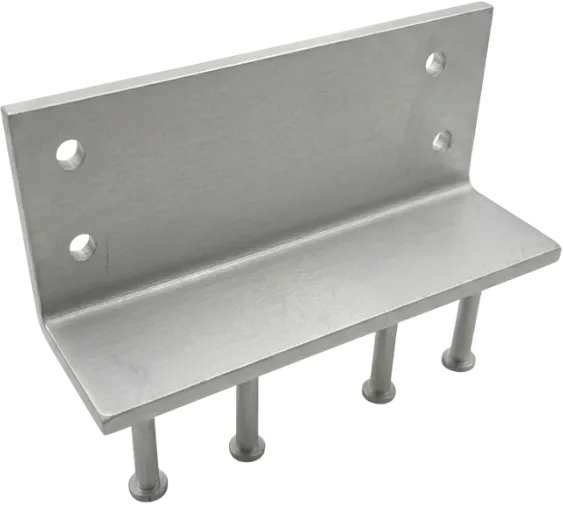
Clear Anodizing
May provide a natural metallic appearance with improved corrosion protection. Final tone depends on alloy, surface preparation, and process conditions.
Type II anodizing integrated with CNC machining for aluminum parts requiring corrosion protection, controlled cosmetic appearance, and project-specific review of alloy, coating requirements, masking, and critical dimensions.
Get a Quote →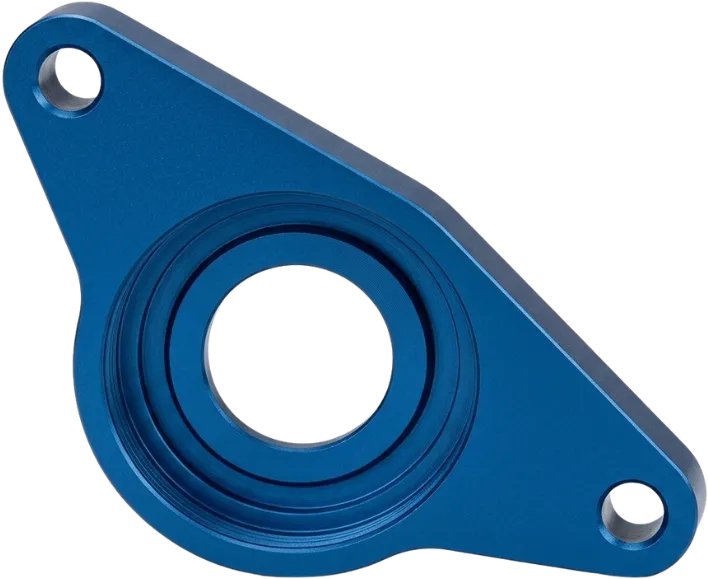
Type II anodizing is widely used on CNC machined aluminum parts that require improved corrosion resistance, surface durability, and a clean metallic appearance.
Unlike painted coatings, anodizing preserves the metallic character of aluminum while adding a protective oxide layer to the surface.
May provide a natural metallic appearance with improved corrosion protection. Final tone depends on alloy, surface preparation, and process conditions.
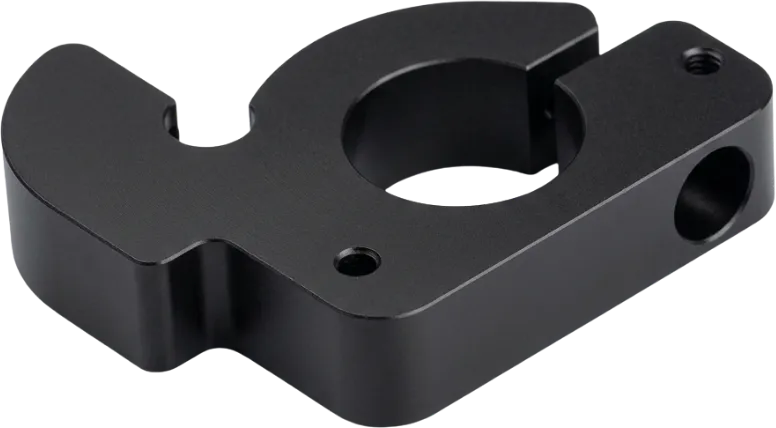
May be selected for visible machined components requiring a controlled dark appearance. The acceptable color range should be defined for the project.
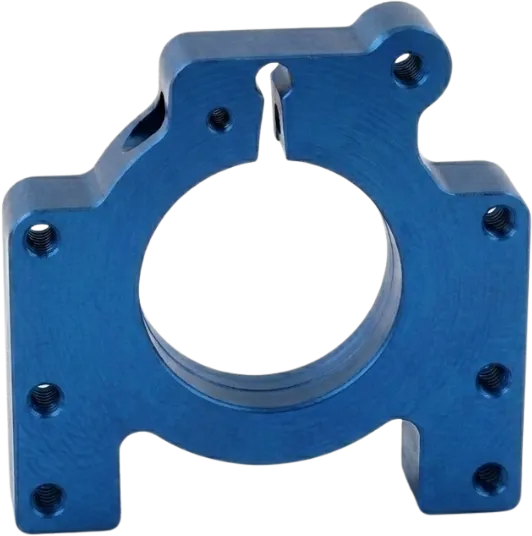
May be available subject to alloy, color requirements, coating specification, and project confirmation.
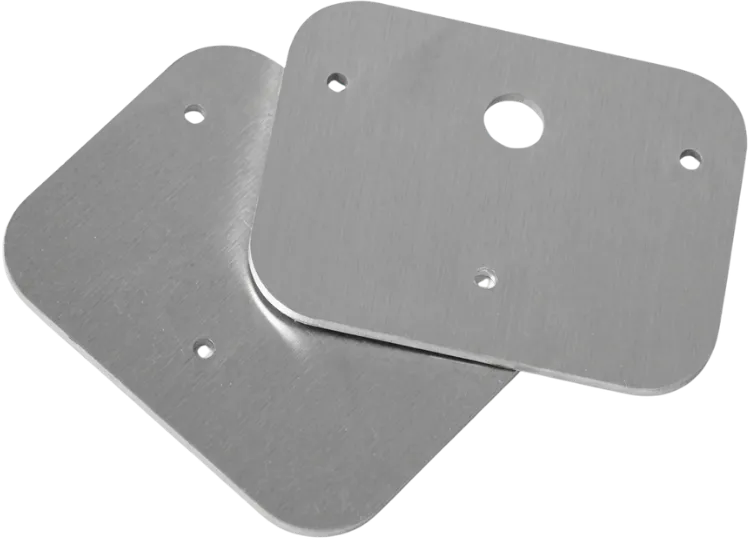
Finishes may be selected based on appearance requirements, wear resistance, or assembly needs.
*Color availability, acceptable color range, gloss, and appearance must be confirmed for each project.
| Characteristic | Typical Information |
|---|---|
| Process Type | Sulfuric Acid Anodizing |
| Thickness | Specified according to drawing, alloy, appearance, and functional requirements |
| Appearance | Metallic matte to satin, depending on alloy and surface preparation |
| Color Options | Clear, black, or selected dyed colors, subject to project confirmation |
| Application Focus | Cosmetic appearance and general-purpose surface protection |
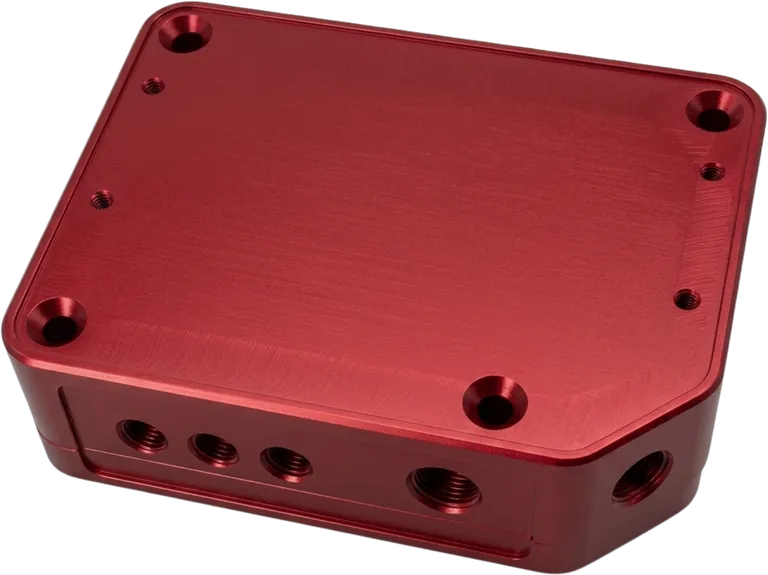
Used for lightweight housings requiring decorative appearance and general-purpose surface protection.
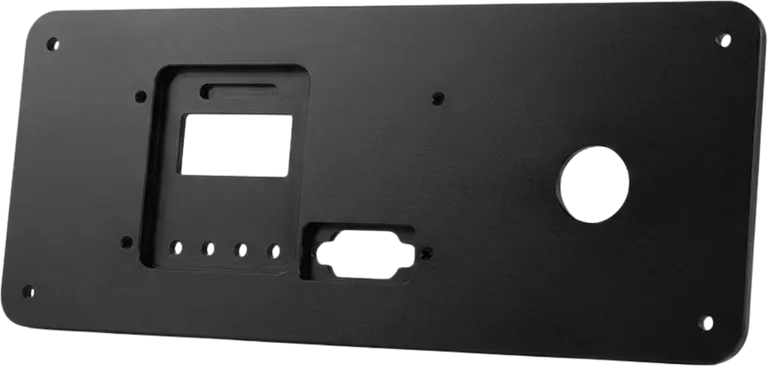
Suitable for machined aluminum parts where metallic appearance is preferred over painted finishes.
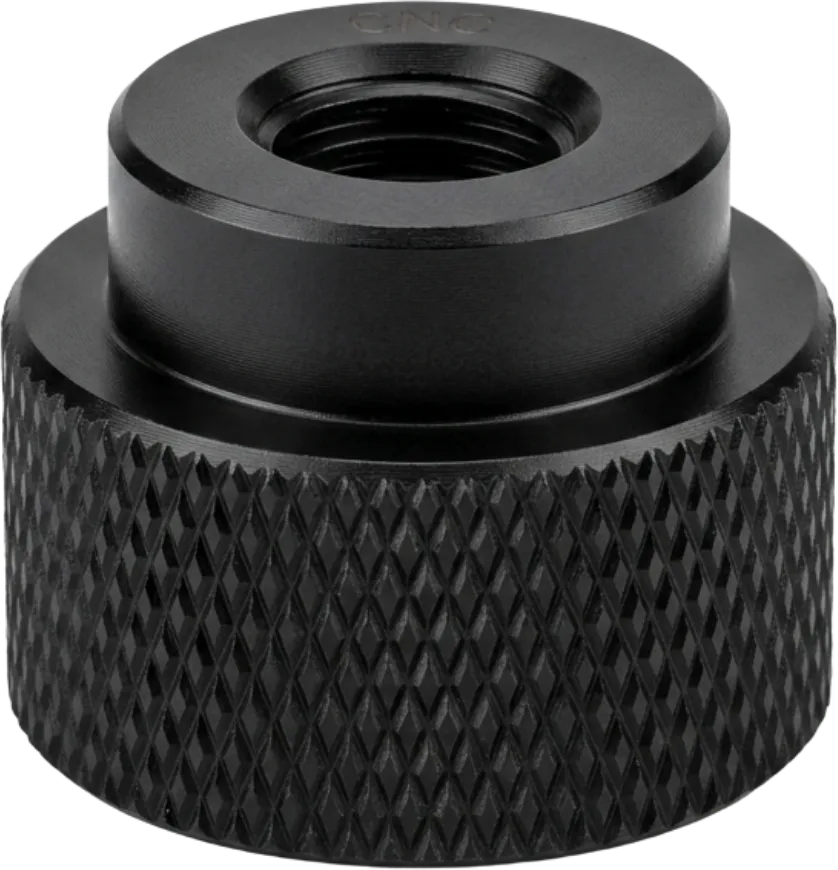
Commonly used for visible machined parts requiring controlled cosmetic appearance and tactile surface feel.
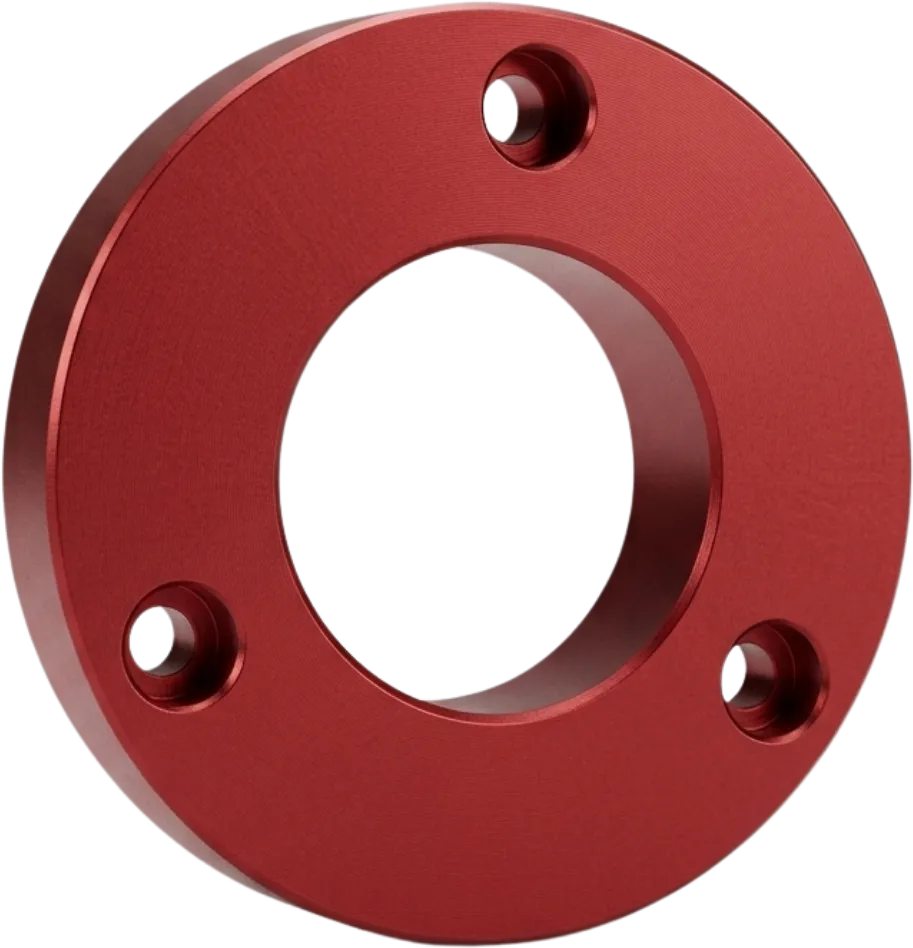
Applied to machined aluminum components requiring coordinated manufacturing and finishing workflows.
For CNC machined aluminum parts, anodizing is reviewed together with machining requirements rather than treated as an isolated finishing process.
This helps reduce cosmetic inconsistency, assembly conflicts, and finishing-related production issues.
Anodizing preserves the metallic appearance of aluminum and may not conceal machining marks or surface texture variations.
Critical dimensions and threaded features may require coating allowance review before anodizing.
Different aluminum alloys may produce slight differences in color tone, gloss, and overall appearance after anodizing, even when processed under the same conditions.
Some dyed anodized finishes may gradually change in appearance during prolonged outdoor UV exposure.
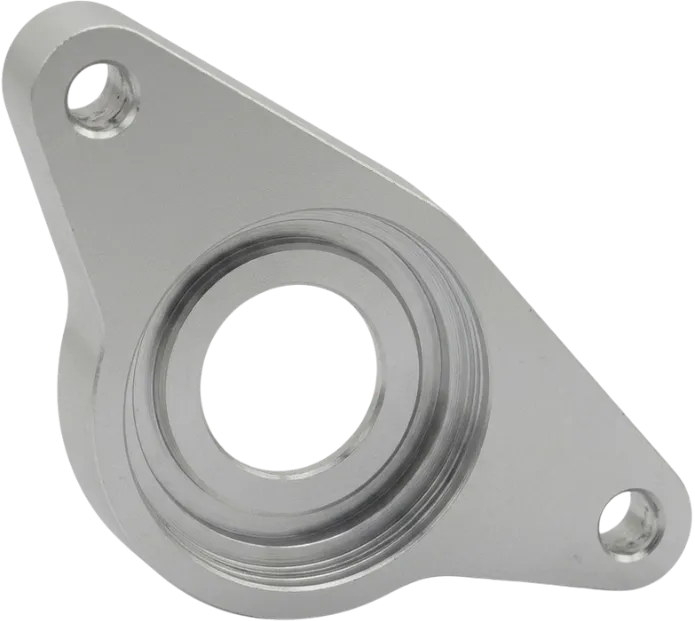
Yes. Anodizing adds measurable coating thickness that may influence tight-tolerance or threaded features.
Yes. Visible and cosmetic surfaces can be identified during project review.
Masking may be applied depending on geometry and functional requirements.
Common anodized alloys include 6061, 5052, and other machinable aluminum grades.
Process recommendations may vary based on part design, material grade, and end-use requirementsContact our engineering team for application-specific guidance.
Our team integrates Type II anodizing with CNC machining, including alloy selection, coating requirements, cosmetic surfaces, color expectations, masking, critical dimensions, and post-anodizing inspection planning.
Get a Quote